eng
eng English
 русский
 Deutsch
 عربى
عربى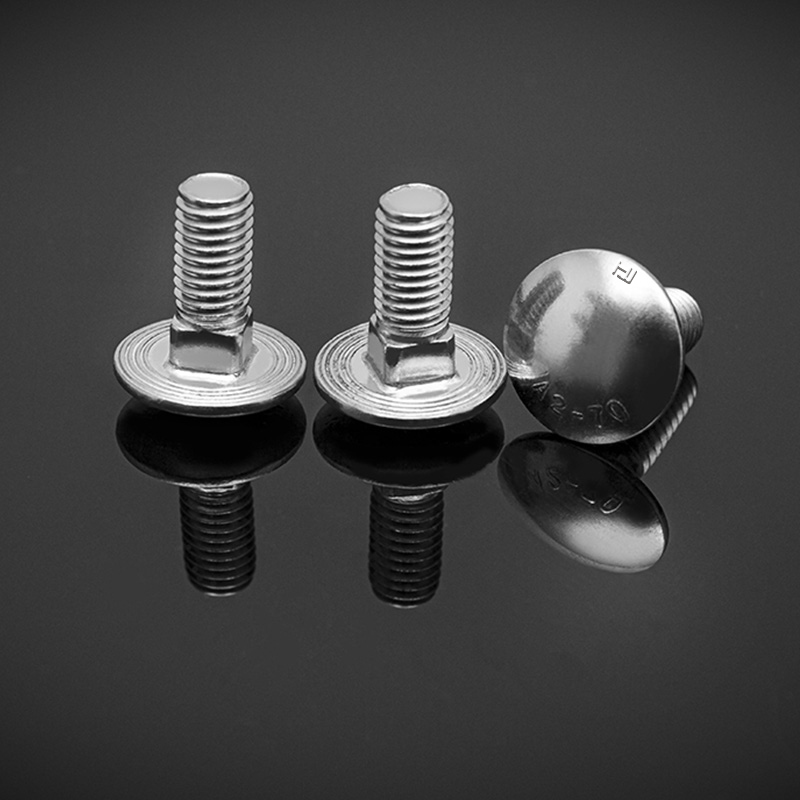
+86 189 6101 2359
+86 133 6521 5663
+86 138 5268 6835
All-thread rod — also called fully threaded rod, studding, or thread bar — is one of the most versatile fastening materials in construction, HVAC, electrical, plumbing, and general manufacturing. It is sold in standard lengths, so most projects require cutting it down to the exact size. Done badly, a cut can crush threads, create sharp burrs, and leave a crooked end that fights every nut and coupling. Done well, the rod looks professional, spins into place smoothly, and keeps its full rated strength. This guide explains the best ways to cut all thread, the tools that deliver the cleanest results, and the finishing steps that keep stainless steel threads in perfect working order.
Content
The right tool depends on how many cuts you need, where the work takes place, and the diameter of the rod. Every tool below can make a successful cut, but they differ in speed, portability, and finish quality. For occasional jobs, a hacksaw is a reliable starting point; for production work, a band saw or chop saw saves hours.
| Tool | Best For | Cut Quality | Speed |
|---|---|---|---|
| Hacksaw, bi-metal 24-32 TPI | Occasional cuts, confined spaces | Good | Slow |
| Angle grinder, thin cut-off disc | Quick on-site cuts, any position | Fair to good | Fast |
| Reciprocating saw, metal blade | Awkward or overhead positions | Fair | Fast |
| Band saw or chop saw | Many identical cuts, workshop | Excellent | Very fast |
For stainless steel rod, always use a new, sharp blade or disc. Dull tooling rubs instead of shearing, which work-hardens the surface and makes the cut even harder. A high tooth count, such as 24 to 32 TPI on a hacksaw, produces a smoother finish on the thin wall of the thread profile.
A few minutes of preparation make the difference between a ruined thread and a factory-quality end. You need a tape measure, a fine-tip marker, two hex nuts that match the rod diameter, and a bench vise with soft jaws or pieces of wood for protection.
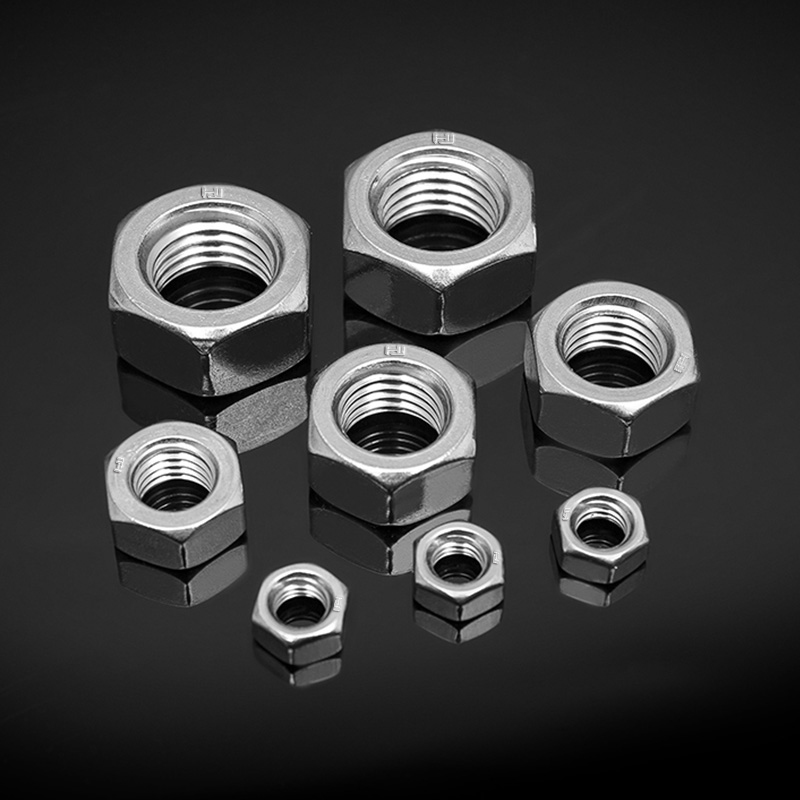
 DIN934/GB6170 Stainless Steel Hexagon NutsAppearance CharacteristicsView Product →
Standard hex nuts in the right size work perfectly for this technique. Stainless steel hex nuts are reusable, resist galling on the rod, and are available in metric and inch threads to match the rod you are cutting.
Once the rod is measured, marked, and secured, make the cut using the following sequence. The same basic steps apply whether you are using a hacksaw, an angle grinder, or a band saw.
Most cutting methods leave a sharp burr on the outside edge and sometimes on the inside bore of the rod. That burr makes the rod difficult to insert into a threaded coupling or beam clamp, and it can cut through gloves and skin. Removing it takes less than a minute.
A good chamfer also makes it easier to start nuts by hand, which is especially valuable in confined spaces where a nut cannot be aligned easily.
Stainless steel behaves differently from mild steel when cut. It work-hardens quickly, conducts heat poorly, and tends to smear instead of shear when the blade is dull. The result can be a hardened, galled edge that damages mating threads. The solution is simple:
The material grade also matters. 304 stainless steel is the standard choice for general corrosion resistance, while 316L offers superior resistance to chlorides, salt water, and aggressive chemicals.
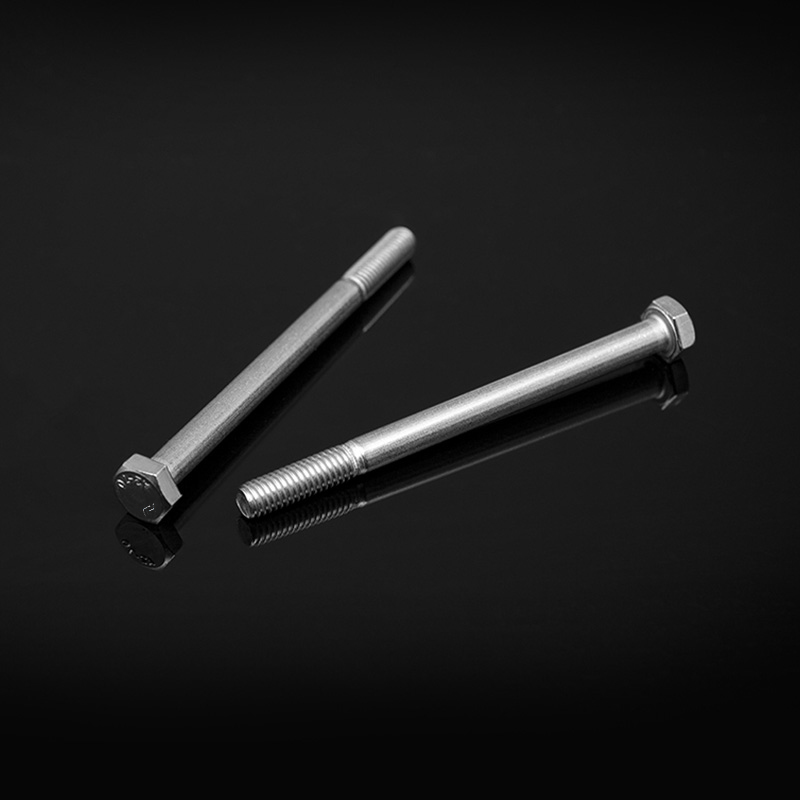
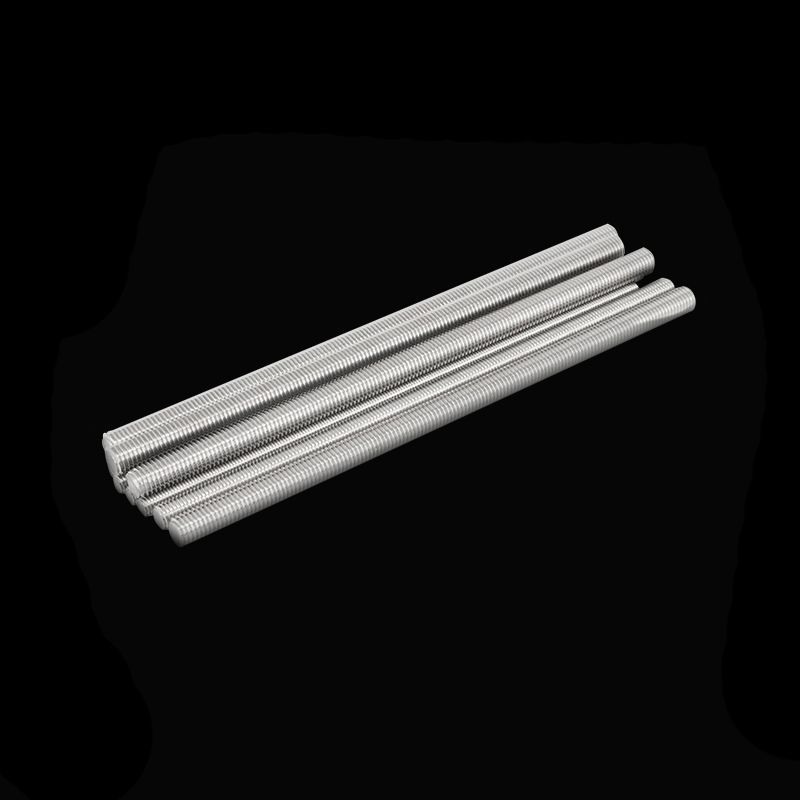 DIN 975 Stainless Steel Threaded RodsAppearance CharacteristicsView Product →
For jobs that need full-length threads, continuous thread rods in 304 or 316L are the most practical option — and the cut should be made with the same care as any other precision operation. If you are deciding between fastener types, our guide on choosing between threaded rods and other fasteners explains the trade-offs. For applications that require a precise unthreaded middle section between two threaded ends, a stud bolt may be a better fit; our detailed selection guide for stainless steel threaded rods compares the options.
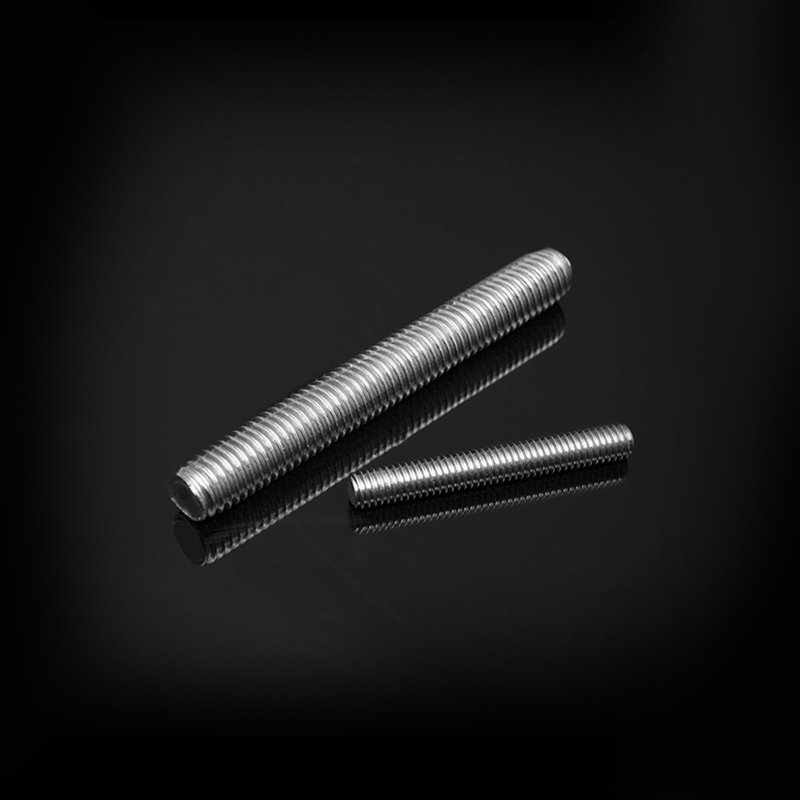 DIN976 Stainless Steel Stud BoltsAppearance CharacteristicsView Product →
If you need to cut many identical pieces, set a stop block on the saw table so every piece comes out exactly the same length. This reduces waste and keeps the finished assembly uniform.
Knowing what not to do is just as important as following the right technique. These are the most frequent errors we see in the field and in customer questions:
Cutting all thread is a routine job, but it deserves the same care as any precision task. With the right tool, two spare nuts, and a few minutes of finishing work, you can produce clean, square, burr-free ends every time. Whether you are hanging ductwork, building a frame, installing cable tray, or repairing machinery, the quality of the cut determines how easily the assembly goes together and how long it lasts. As a stainless steel fastener manufacturer with about two decades of production experience, we see every day how careful cutting protects thread quality and extends service life. Keep these techniques in your toolbox, choose the correct stainless steel grade for the environment, and your all-thread will perform exactly as it should.
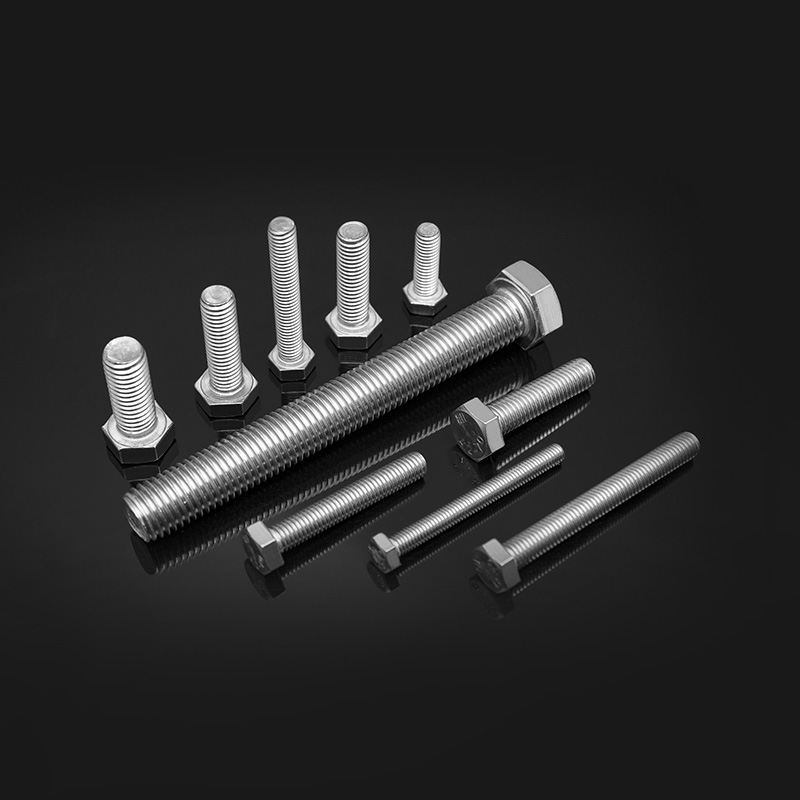
ThreadTolerance: 6gstandardDIN 13-15、DIN 13-12Rod diameter dd≤M20:A2-70、A4-70;M20<d≤M39:A2-50、A4-50;d≥M39:C3、C4;d<M39
See Details
Copyright © Jiangsu Huajie Stainless Steel Products Co., Ltd. All Rights Reserved.