eng
eng English
 русский
 Deutsch
 عربى
عربى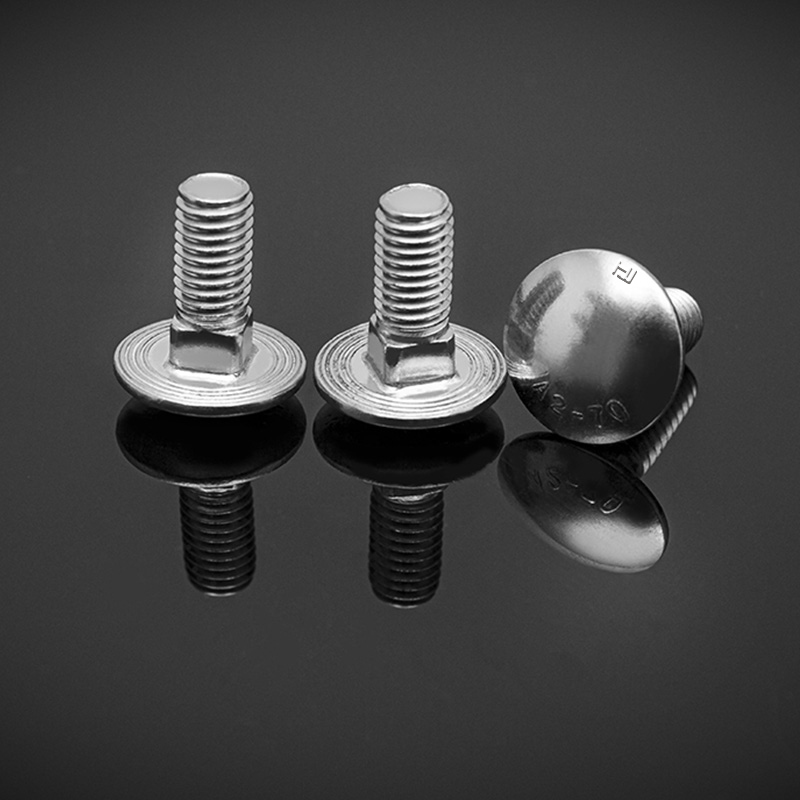
+86 189 6101 2359
+86 133 6521 5663
+86 138 5268 6835
Content
In fastener selection, choosing between a threaded rod and a bolt is not simply a matter of preference — it is a structural and functional decision that directly affects the integrity, safety, and longevity of an assembly. Both components rely on helical threading to generate clamping force or secure materials together, but their geometry, load-bearing behavior, installation method, and ideal application environments differ significantly. Engineers, contractors, and procurement specialists who conflate the two often end up with assemblies that are either overengineered and unnecessarily costly, or underspecified and prone to premature failure. Understanding the precise differences between these two fastener types is therefore a foundational competency for anyone working in construction, mechanical engineering, or industrial manufacturing.
This article provides a thorough, practical comparison of threaded rods and bolts — covering their physical characteristics, mechanical behavior, material options, standard specifications, and the specific scenarios where each fastener delivers its best performance. By the end, you will have a clear framework for making the right fastener choice on any project.
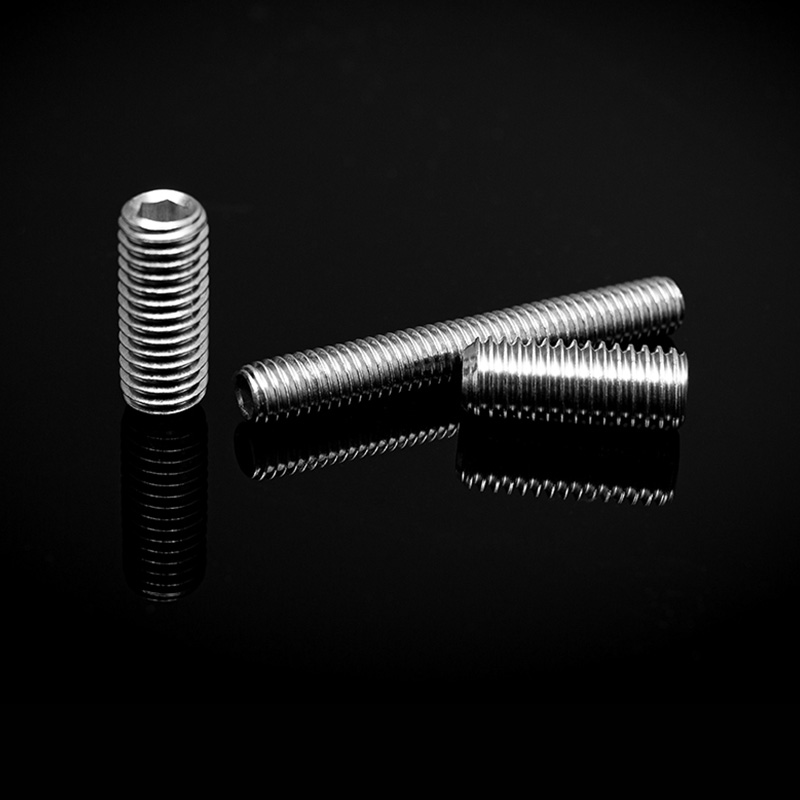
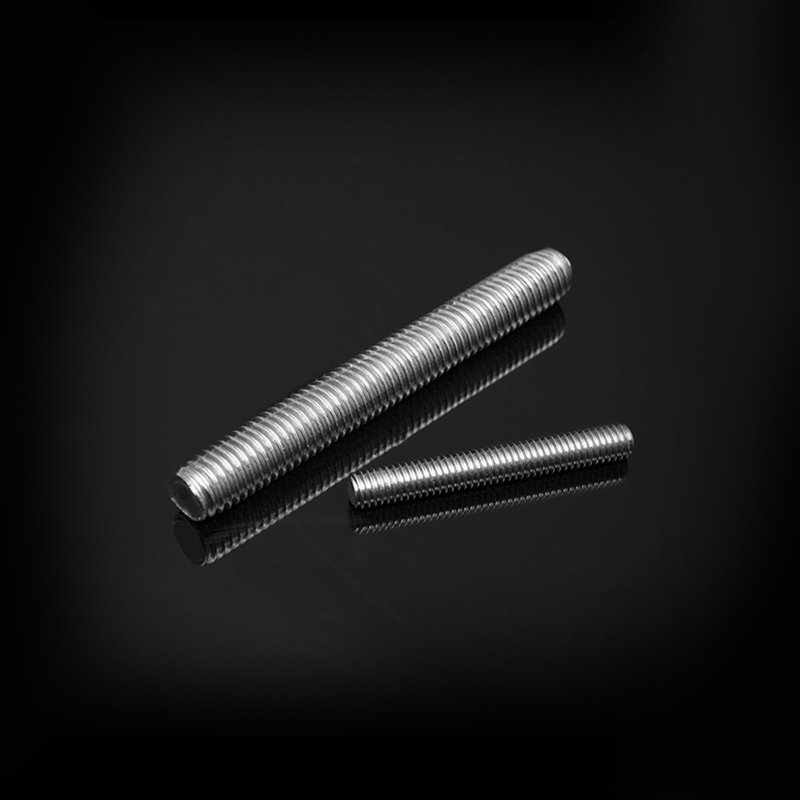
A threaded rod — also commonly called an all-thread rod, stud rod, or fully threaded stud — is a long, cylindrical fastener that carries continuous helical threading along its entire length, from one end to the other, with no head. This headless, symmetrical design is the defining feature that sets threaded rods apart from conventional bolts. Because neither end is fixed or capped, a threaded rod must be secured using nuts, couplings, or threaded inserts on both ends — or on one end if it is anchored into a tapped hole or embedded in concrete.
Threaded rods are manufactured in standard lengths typically ranging from 1 foot to 12 feet, though custom lengths are available for specialized applications. Common diameter ranges span from 1/4 inch to 4 inches in imperial measurements, or M6 to M100 in metric. Thread forms include Unified National Coarse (UNC), Unified National Fine (UNF), metric coarse and fine, as well as specialty forms such as ACME and trapezoidal threads for load-bearing or motion-transfer applications. The absence of a head means threaded rods distribute load across the nut bearing surface at each end rather than concentrating it under a bolt head, which has important implications for how they perform under tension.
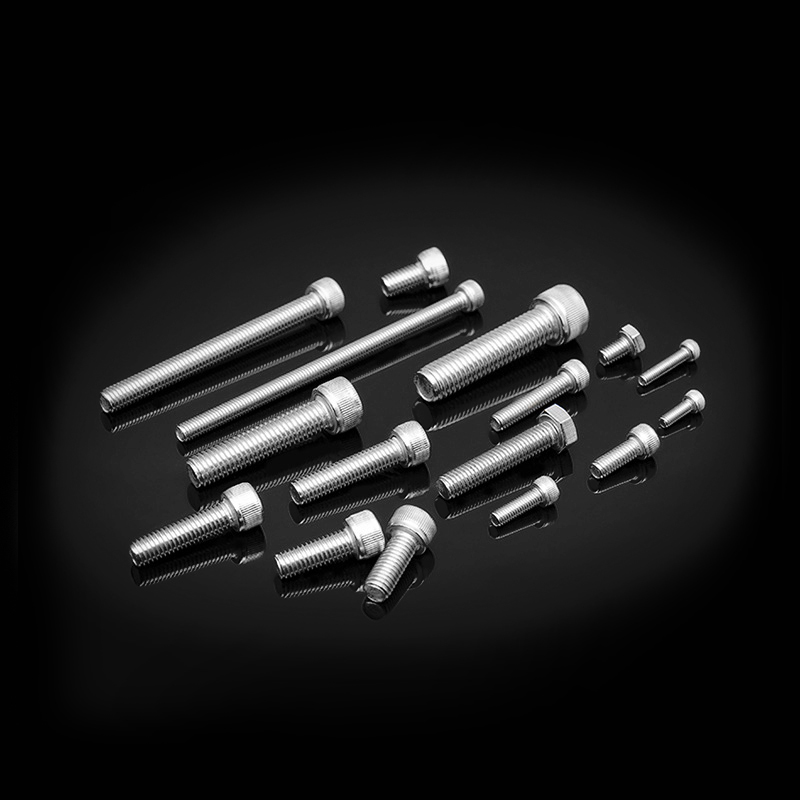
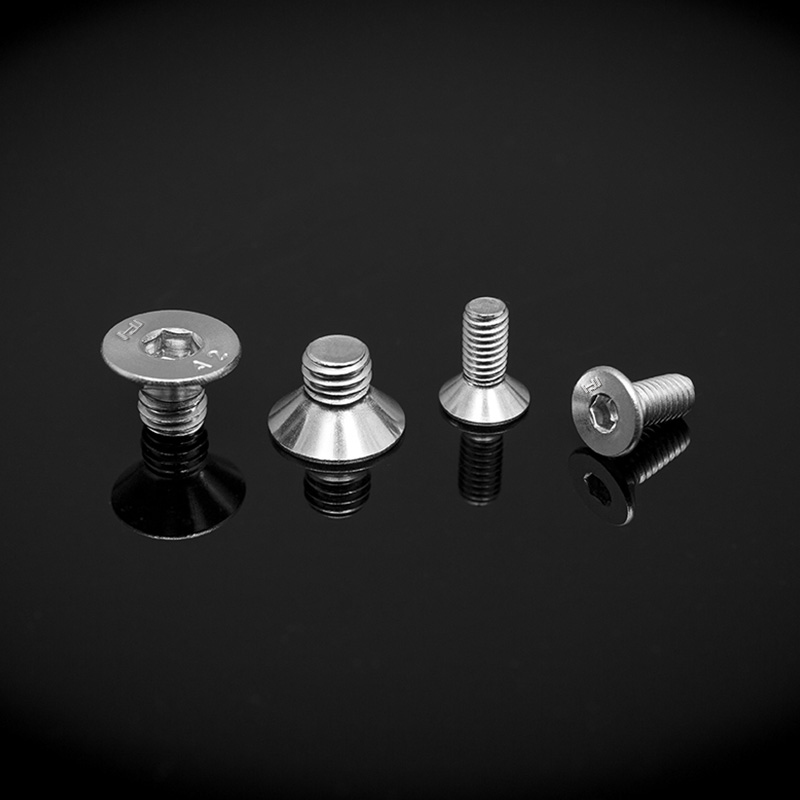
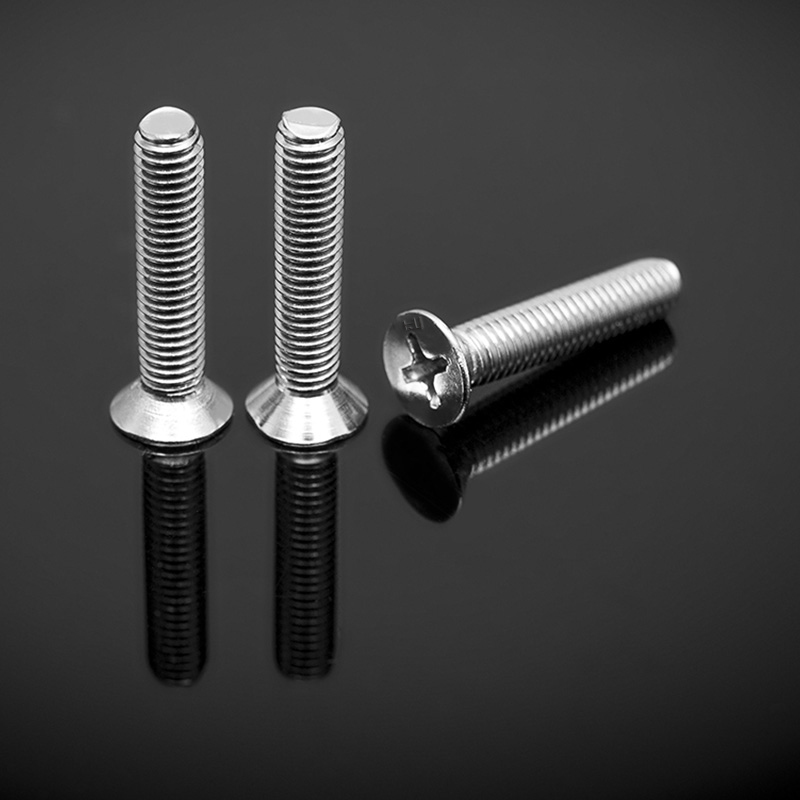
A bolt is a headed fastener with threading applied to a portion of its shank — or in some designs, the full shank — and it is designed to be driven through a clearance hole and secured with a nut on the opposite side, or threaded directly into a tapped hole. The head of a bolt — whether hex, socket cap, carriage, flange, or another style — serves a critical mechanical function: it bears against the surface of the clamped material, creating the clamping force that holds the joint together when the bolt is torqued.
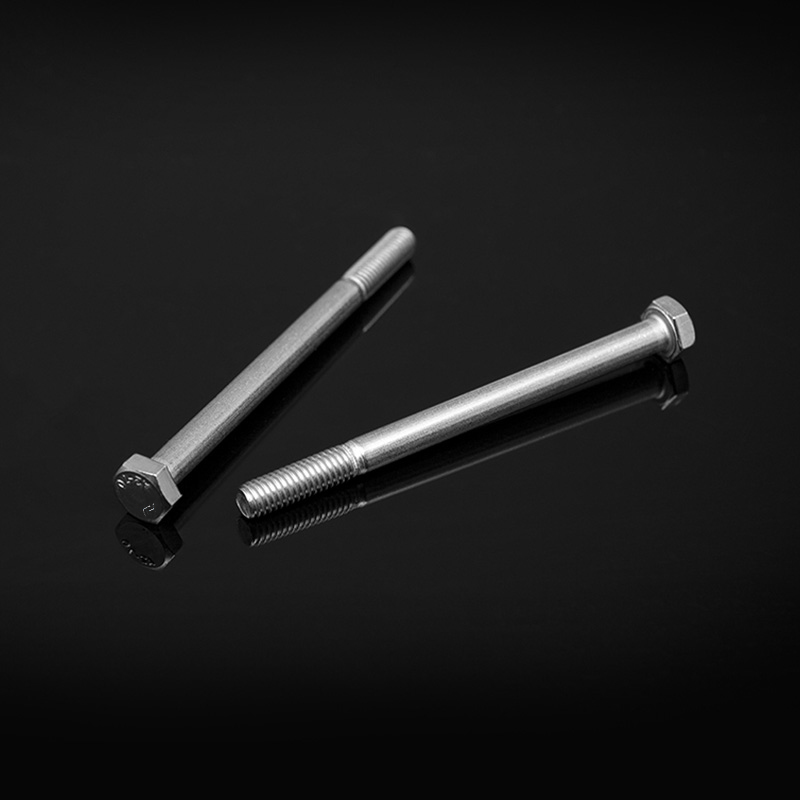
Unlike threaded rods, bolts are manufactured to specific length standards that account for the relationship between the threaded and unthreaded portions of the shank. Partially threaded bolts — where only the lower portion of the shank carries threading — are frequently used in structural connections where the unthreaded shank passes through the joint interface, providing shear resistance through the body of the bolt rather than through the threads. Fully threaded bolts are more common in shorter lengths and are used where thread engagement is needed closer to the head. Standard bolt grades include SAE Grade 2, Grade 5, and Grade 8 in imperial, and property classes 4.6, 8.8, and 10.9 in metric, each specifying minimum tensile and yield strength requirements.
The table below summarizes the fundamental differences between threaded rods and bolts across the parameters most relevant to fastener selection:
| Parameter | Threaded Rod | Bolt |
| Head | None | Yes (hex, socket, carriage, etc.) |
| Threading | Full length | Partial or full shank |
| Installation | Nuts or threaded inserts on both ends | Driven through clearance hole, nut on one end |
| Primary Load Type | Tension, spanning | Tension and shear |
| Length Options | Long standard lengths, custom cut | Fixed standard lengths |
| Adjustability | High — nuts adjustable along full length | Low — fixed head position |
| Typical Applications | Anchoring, suspension, long-span connections | Structural joints, mechanical assemblies |
Load behavior is one of the most critical dimensions of the threaded rod versus bolt comparison, and it is where the design differences have the most direct engineering consequences.
Both threaded rods and bolts resist tensile loads — forces that pull the fastener in opposite directions along its axis. In a threaded rod, the entire cross-sectional area of the rod carries the tensile load along its full length, with load transfer occurring through the nut threads at each end. This makes threaded rods highly efficient tension members, particularly in long-span applications such as tie rods in roof trusses, anchor bolts in concrete foundations, and suspension hangers in MEP (mechanical, electrical, and plumbing) systems. Bolts also carry tensile loads effectively, but their load path is shorter and more localized, making them better suited to compact joint connections than to spanning applications.
Shear resistance — the ability to resist forces acting perpendicular to the fastener axis — is where bolts hold a significant advantage over threaded rods. In bolted structural connections, the unthreaded shank of a partially threaded bolt is positioned to bear shear loads across the joint interface. The shank, being solid and unnotched, has superior shear capacity compared to a threaded section, where the thread roots create stress concentrations that reduce effective cross-sectional area. Threaded rods, being fully threaded along their entire length, always present a reduced stress area at any shear plane, making them a less efficient and generally inadvisable choice for primary shear connections.
Under cyclic or dynamic loading conditions — common in machinery, vehicles, and structures subject to wind or vibration — fatigue behavior becomes an important selection criterion. Thread roots are inherently stress concentration sites, making all threaded fasteners susceptible to fatigue crack initiation. Bolts with a grip length (unthreaded shank spanning the joint) tend to have better fatigue performance than fully threaded fasteners because the compliant shank acts as a spring that maintains preload more consistently under cyclic loading. Threaded rods in dynamic applications should be specified with appropriate safety factors and considered for periodic inspection or locking mechanisms such as prevailing-torque nuts or thread-locking compounds.
Both threaded rods and bolts are available in a wide range of materials and surface treatments, and the selection of material has a direct impact on corrosion resistance, strength, temperature performance, and cost. Common material options include:
Surface coatings commonly applied to both threaded rods and bolts include hot-dip galvanizing, zinc electroplating, mechanical galvanizing, and epoxy or polymer coatings. Hot-dip galvanizing — which deposits a thick zinc layer by immersing the fastener in molten zinc — is the preferred corrosion protection method for outdoor structural applications such as utility towers, bridges, and building anchorage systems, offering decades of service life in aggressive atmospheric conditions.
Threaded rods are the correct specification choice in a well-defined set of application scenarios where their unique geometry — full-length threading, no head, and adjustable nut positioning — provides functional advantages that bolts cannot replicate:
Bolts are the correct specification in the far broader category of applications involving compact structural joints, mechanical assemblies, and connections where one face of the joint must be accessible for the bolt head to bear against:
When facing a fastener selection decision between a threaded rod and a bolt, applying a structured decision framework helps ensure the choice aligns with the structural requirements, installation constraints, and long-term performance expectations of the application. Consider the following key questions in sequence:
In practice, many assemblies use both threaded rods and bolts in complementary roles — rods for the long tension members and anchoring elements, bolts for the compact joint connections and shear-critical interfaces. Recognizing the distinct strengths of each fastener type, rather than treating them as interchangeable alternatives, is what separates a well-engineered fastener specification from one that is merely functional — and it is the foundation of reliable, safe, and cost-effective construction and manufacturing practice.
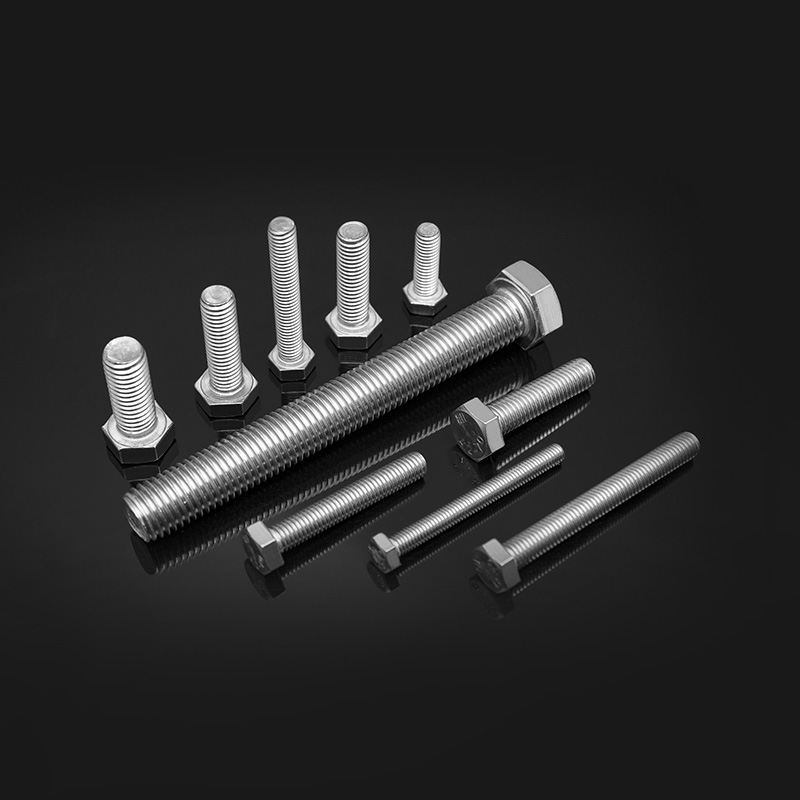
ThreadTolerance: 6gstandardDIN 13-15、DIN 13-12Rod diameter dd≤M20:A2-70、A4-70;M20<d≤M39:A2-50、A4-50;d≥M39:C3、C4;d<M39
See Details
Copyright © Jiangsu Huajie Stainless Steel Products Co., Ltd. All Rights Reserved.