eng
eng English
 русский
 Deutsch
 عربى
عربى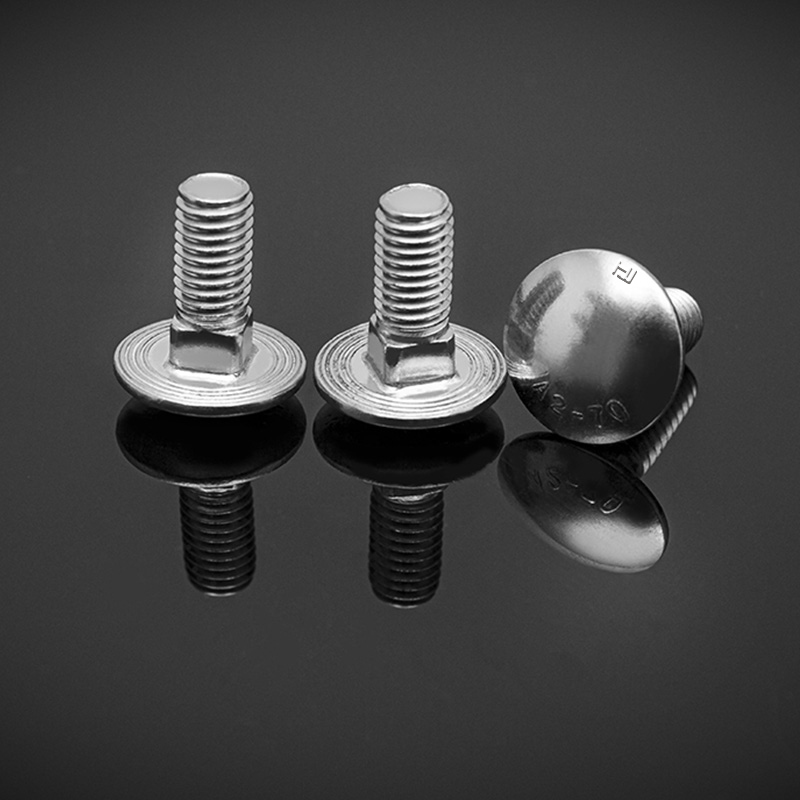
+86 189 6101 2359
+86 133 6521 5663
+86 138 5268 6835
Have you ever picked up a screw and wondered how it went from a coil of steel wire to the precision fastener holding your project together? At Jiangsu Huajie Stainless Steel Products Co., Ltd., we have been manufacturing stainless steel fasteners for over two decades, producing tens of thousands of tons every year for industries ranging from high‑speed rail to aerospace. The process is a fascinating blend of mechanical engineering, metallurgy, and quality control. Let’s walk through each stage, just as we do in our 80,000‑square‑meter factory.
Content
Every screw starts as a coil of wire rod. For stainless steel fasteners, we use grades like 304, 316L, or 201, depending on the corrosion resistance and strength required. The wire rod is first drawn through a series of dies to achieve the exact diameter needed for the screw blank. This cold drawing process also work‑hardens the material slightly, which improves its mechanical properties. Before heading, the wire is often annealed in a controlled atmosphere furnace to soften it and relieve internal stresses, ensuring consistent flow during the forming steps.
At our facility, we source wire rod from trusted mills and inspect every batch for chemical composition and surface quality. This foundation is critical – a flawless start means a reliable finished product.
Cold heading is the core operation that gives the screw its head shape. The wire is fed into a cold heading machine, where a cutoff blade shears it into a precise length called a “slug.” The slug is then transferred through a series of punches and dies that progressively form the head. This happens in a split second under tremendous pressure – the metal flows like putty into the die cavity, creating the shape of a hex head, pan head, or any custom profile.
For example, to produce a hexagon head screw, the slug is upset (squeezed) to bulge the head diameter, then struck with a hex‑shaped punch to form the final geometry. After heading, the screw blank exits the machine with a nearly finished head but still no threads. At this stage, we also apply a proprietary lubricant coating to reduce friction in the next step.
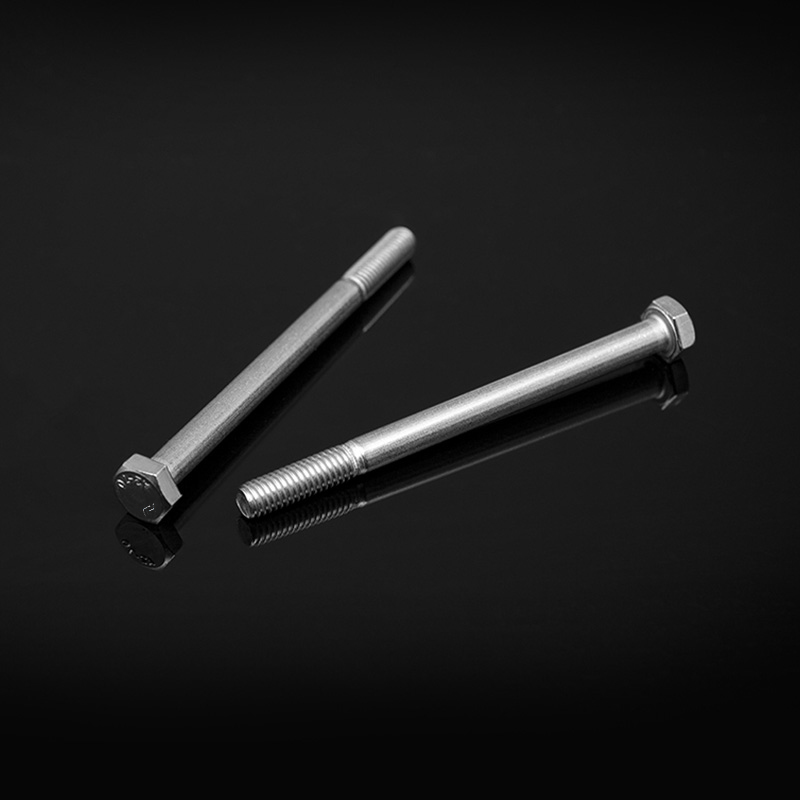
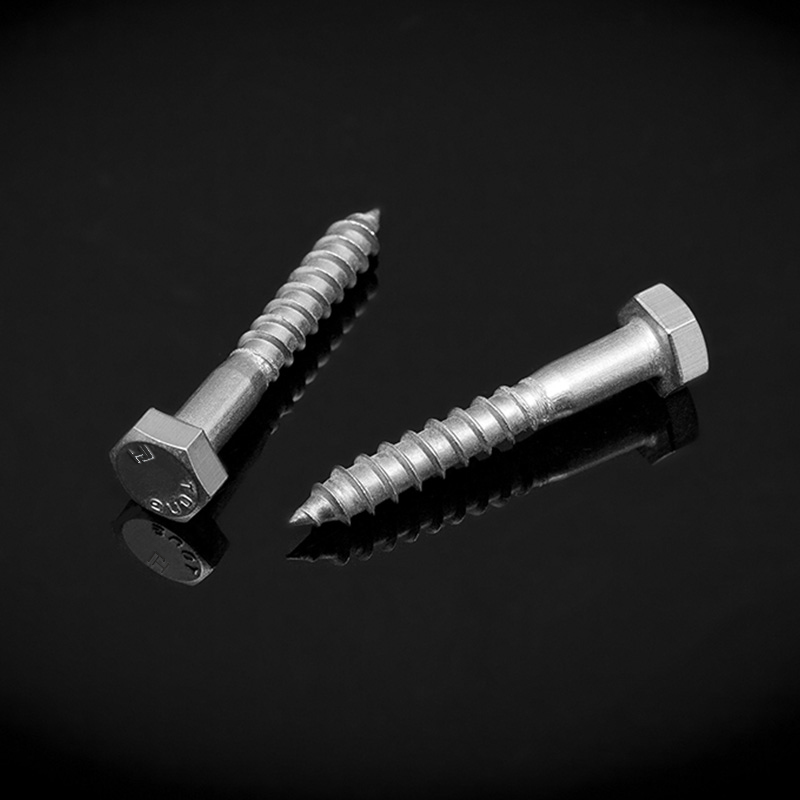
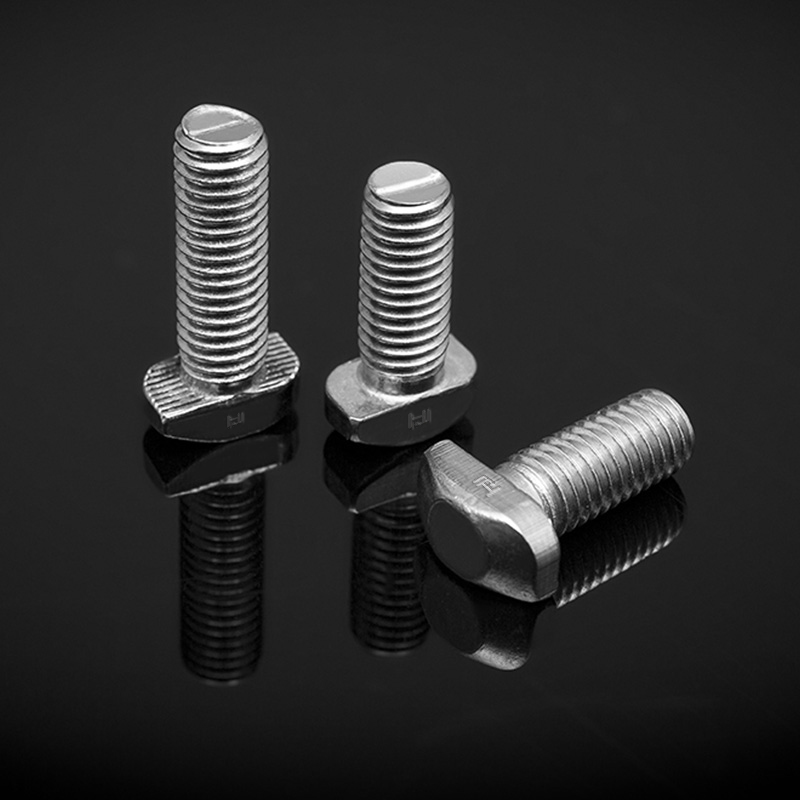
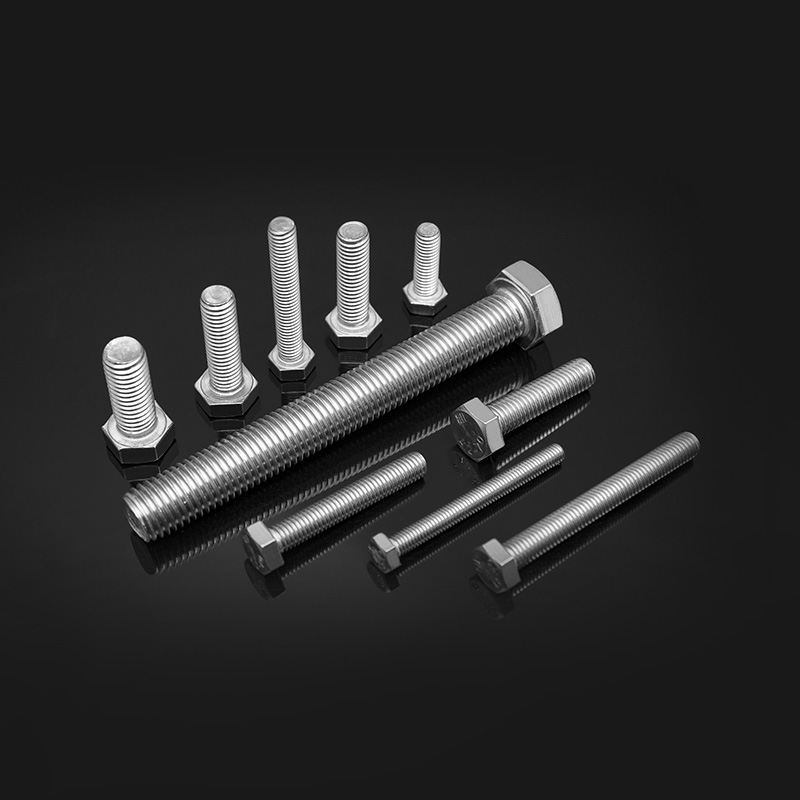 Stainless Steel Hexagon Head Bolts with Full ThreadThese bolts undergo cold heading and thread rolling, which work-hardens the metal for superior strength. Ideal for heavy-duty connections where high load capacity is required.View Product →
Threads are not cut; they are rolled. Rolling is a cold forming process that displaces metal to create thread profiles without removing any material. The screw blank is placed between two hardened steel dies that have the reverse thread pattern. As the blank rotates and is squeezed between the dies, the metal flows into the die grooves, forming the threads. This work‑hardens the thread roots and flanks, making them stronger than cut threads.
There are two common rolling methods: flat‑die rolling (for headed blanks) and planetary rolling (for studs and threaded rods). The speed is remarkable – our thread rolling machines can produce hundreds of screws per minute. After rolling, we check thread pitch, major diameter, and concentricity. Nuts are formed in a similar but separate process using a tapping or forming method.
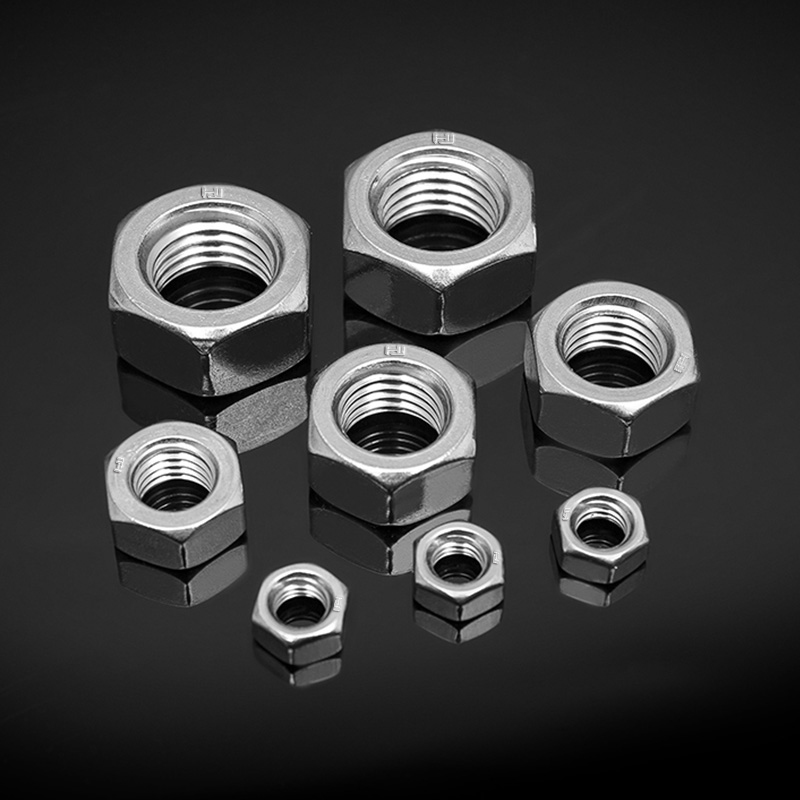
 Stainless Steel Hexagon Nuts for High-Strength ApplicationsFormed with precision threads and heat treated to meet strength grades like A2-70 or A4-80. This ensures reliable fastening when paired with bolts in demanding assemblies.View Product →
While many stainless steel grades are already corrosion‑resistant, some applications require increased strength. For example, if a screw needs to meet high‑strength specifications (like A2‑70 or A4‑80), we perform solution annealing followed by quenching and tempering. This heat treatment dissolves carbides into the matrix, then rapidly cools to lock a uniform austenitic structure, followed by a controlled temper to relieve brittleness and achieve the desired hardness.
Our heat treatment lines are equipped with continuous belt furnaces and atmosphere control to prevent scaling and oxidation. We regularly test tensile strength, yield strength, and hardness on every production batch to ensure compliance with DIN, ISO, or ANSI standards.
Stainless steel is naturally resistant to rust, but surface finishing can improve appearance, lubricity, or add extra corrosion protection. Common finishes for stainless screws include passivation (removing free iron from the surface), electro‑polishing (creating a smooth, bright finish), and applying a thin wax or oil coating for temporary corrosion protection during storage. For some industrial applications, we also offer zinc‑nickel plating or black oxide, though these are less common for stainless.
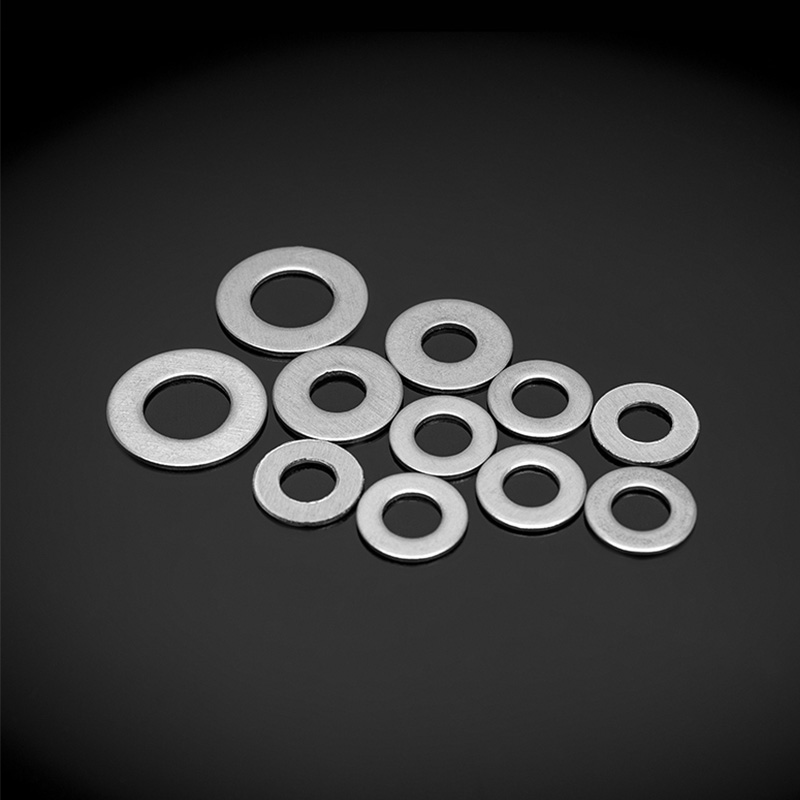 Stainless Steel Plain Washers for Corrosion PreventionThese washers receive the same surface finishing as accompanying fasteners to prevent galvanic corrosion. They evenly distribute loads and protect joined surfaces.View Product →
Washers and other accessories that accompany screws often receive the same finishing to prevent galvanic corrosion in assemblies. We match finishes to customer specifications, ensuring a consistent appearance across all fasteners in a project.
Quality is not an afterthought; it is woven into every step. Our laboratory performs dimensional inspection using optical comparators and digital micrometers, mechanical testing with tensile testers and hardness testers, and metallographic analysis to verify microstructure. We also conduct salt spray tests to confirm corrosion resistance. Our facility holds ISO 9001, ISO 14001, and ISO 18001 certifications, and we are proud to have been awarded AAA‑grade enterprise status.
All this rigor means that when a screw leaves our factory, you can trust its performance – whether it’s securing a solar panel mounting system or a railway signal post.
Finished screws are cleaned, sorted, and packed according to customer requirements – from bulk cartons of 1,000 pieces to small blister packs with barcodes. We use automated counting machines and weigh scales to ensure accuracy. Our warehouse ships globally, and we coordinate with logistics partners to meet delivery deadlines. With a yearly capacity of 60,000 tons, we maintain substantial stock levels for standard items while also producing custom orders with short lead times.
Understanding how screws are manufactured helps engineers and procurement professionals select the right fasteners for their applications. Whether you need stainless steel hex bolts, nuts, or washers for a demanding environment, the process ensures reliability and strength. For a deeper dive into the differences between screw types, check out our guide on fastener categories and the benefits of stainless steel screws.
We invite you to explore our product range and see the quality that comes from decades of experience. Every screw we make is a testament to our commitment to precision and durability.

ThreadTolerance: 6gstandardDIN 13-15、DIN 13-12Rod diameter dd≤M20:A2-70、A4-70;M20<d≤M39:A2-50、A4-50;d≥M39:C3、C4;d<M39
See Details
Copyright © Jiangsu Huajie Stainless Steel Products Co., Ltd. All Rights Reserved.