eng
eng English
 русский
 Deutsch
 عربى
عربى
+86 189 6101 2359
+86 133 6521 5663
+86 138 5268 6835
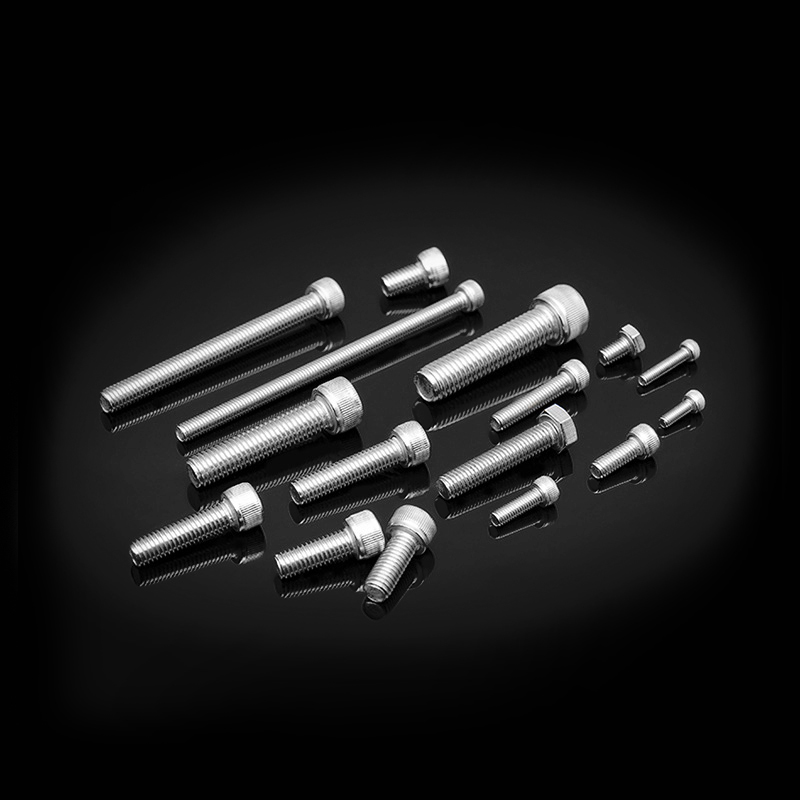
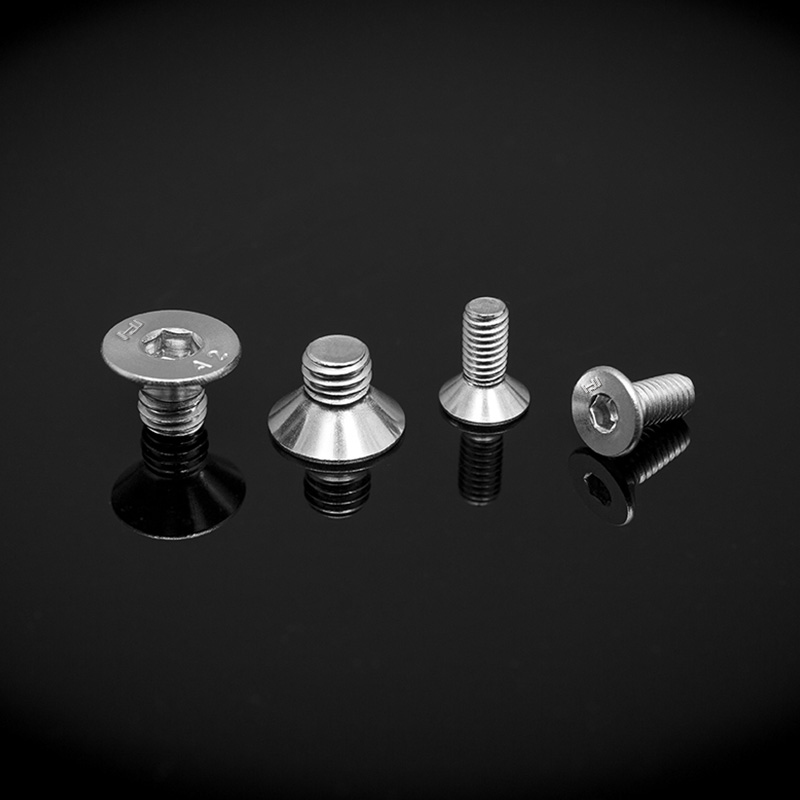
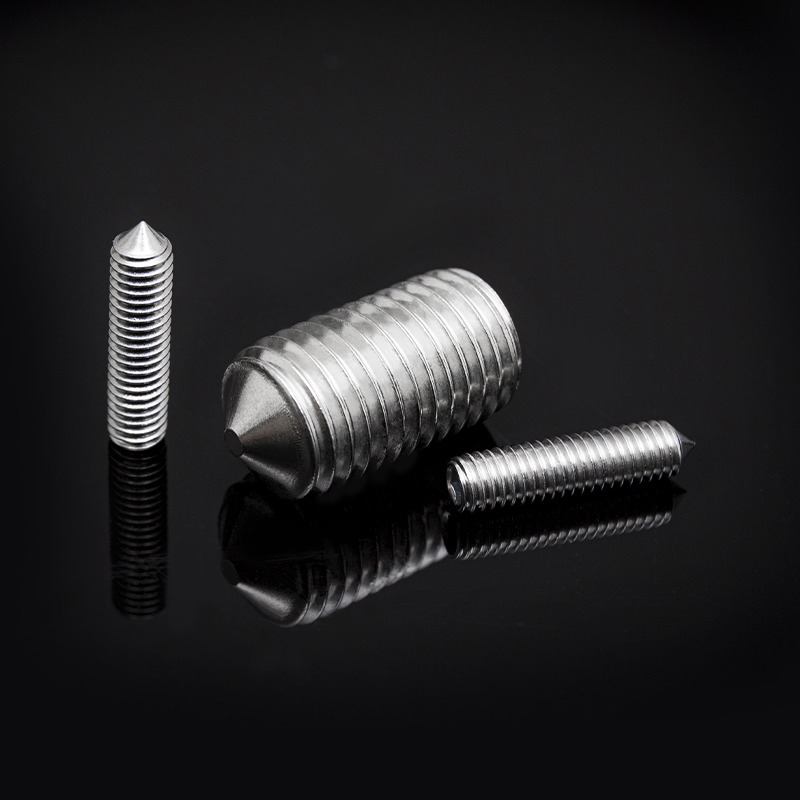
Stainless steel threaded rods and studs are essential fastening components used across construction, manufacturing, plumbing, and outdoor infrastructure projects. Their fully threaded design allows them to be cut to custom lengths and paired with nuts, washers, or anchoring systems for a wide range of assembly needs. Because stainless steel resists rust and corrosion far better than standard carbon steel, these fasteners are especially valuable in environments exposed to moisture, chemicals, or extreme weather. This article explains the different types of stainless steel threaded rods and studs, their common applications, and the key factors to consider when selecting the right one for a specific project.
Content
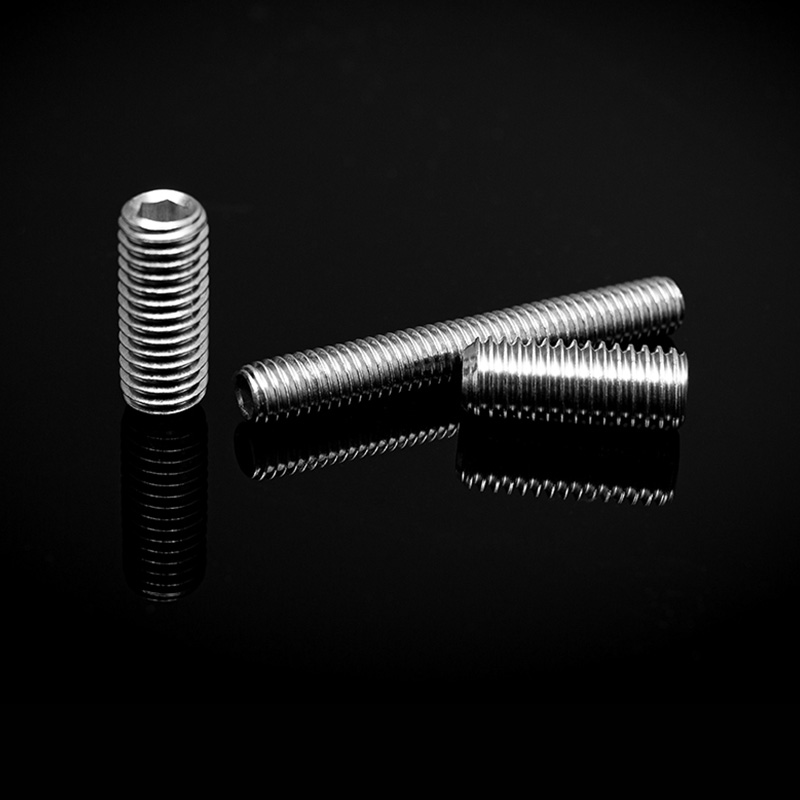
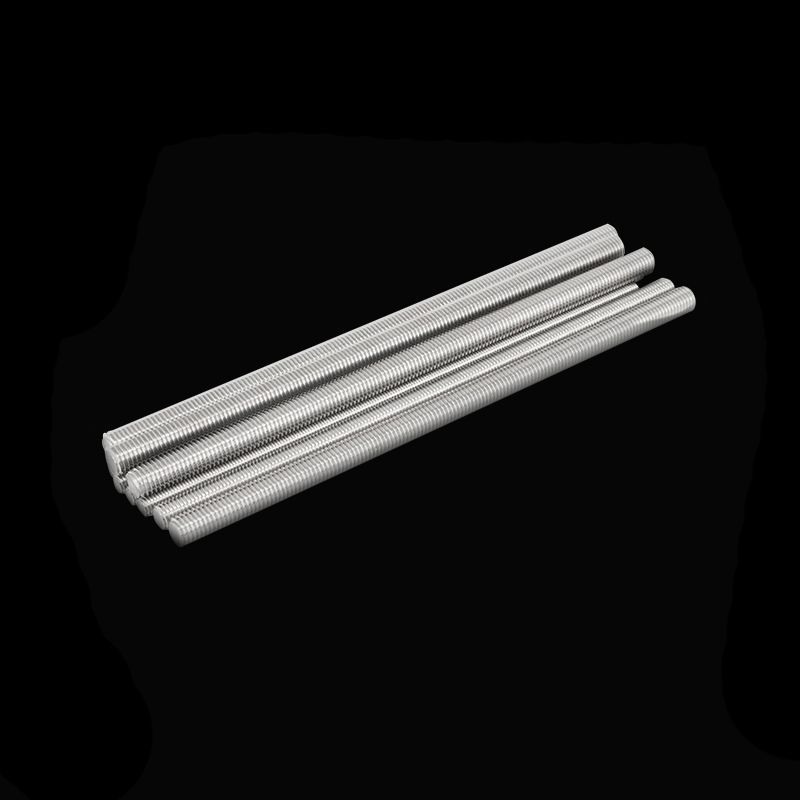
A threaded rod is a long, cylindrical metal bar with continuous threading along its entire length, allowing nuts to be run on and off from either end. Studs, by contrast, often refer to shorter threaded fasteners, sometimes threaded only at both ends with a smooth center section, or fully threaded like a rod but used specifically to join two components together, such as connecting a flange to a valve or securing machinery to a base plate. Both components serve similar fastening purposes, but the terminology and application context often determine which one is specified in a project.
Because threaded rods and studs are typically cut from standard-length bar stock, they offer flexibility that pre-formed bolts cannot match, since installers can trim them to the exact length required on site. This adaptability makes them a popular choice for custom fabrication, structural bracing, and retrofit projects where standard bolt lengths do not fit the application.
Stainless steel's chromium content forms a passive oxide layer on the metal's surface, which self-repairs when scratched or exposed to oxygen, giving it superior corrosion resistance compared to carbon steel or zinc-plated alternatives. This makes stainless steel threaded rods and studs particularly well suited to outdoor construction, marine environments, food processing facilities, and chemical plants where exposure to moisture, salt, or corrosive substances would otherwise cause rapid rusting and fastener failure. In addition to corrosion resistance, stainless steel offers good mechanical strength and maintains its appearance over time, which matters in visible architectural or decorative applications.
Not all stainless steel is equally suited to every environment, and selecting the correct grade is one of the most important decisions when specifying threaded rods or studs. The table below outlines the most commonly used grades and their typical characteristics.
| Grade | Corrosion Resistance | Typical Use |
| 304 Stainless Steel | Good general resistance | Indoor and light outdoor applications |
| 316 Stainless Steel | Excellent, including chloride exposure | Marine, coastal, and chemical environments |
| 410 Stainless Steel | Moderate | Applications requiring higher hardness and strength |
| 18-8 Stainless Steel | Good general resistance | General fastening, often used interchangeably with 304 |
Grade 316 stainless steel, which contains added molybdenum, is generally the preferred choice for marine or heavily chlorinated environments because it resists pitting corrosion far better than 304. However, 304 remains a cost-effective and widely used option for general indoor and moderate outdoor applications where extreme chemical exposure is not a concern.
Beyond material grade, threaded rods and studs come in several configurations designed for different assembly needs. Understanding these variations helps ensure the correct fastener is chosen for a given application.
Fully threaded rods are threaded along their entire length and are typically sold in standard bar lengths, such as three feet or six feet, that can be cut down as needed. These are the most versatile option, commonly used for hanging systems, structural bracing, and anchoring applications where the exact length required varies by installation.
Double-end studs are threaded only at both ends, with a smooth, unthreaded section in the middle. This design is common in flange connections and equipment assembly, where the smooth center reduces the risk of thread damage during handling and provides a defined bearing surface between mating parts.
Continuous threaded studs are similar to fully threaded rods but are often manufactured to tighter tolerances for use in precision machinery or pressure-rated piping systems, where consistent thread engagement across the full length is critical for load distribution and sealing integrity.
Stainless steel threaded rods and studs are used across a wide range of industries due to their strength, adaptability, and corrosion resistance. Typical applications include the following.
Selecting the correct threaded rod or stud involves more than picking a diameter and length. The following factors should guide the decision-making process for any project.
Proper installation practices help ensure stainless steel threaded rods and studs perform reliably over time. Applying an anti-seize compound before installation can prevent galling, a common issue where stainless steel threads bind or seize together under friction during tightening. Using a torque wrench to tighten nuts to the manufacturer's specified value helps avoid over-tightening, which can strip threads or cause stress fractures in the rod. When cutting fully threaded rods to length on site, using a fine-tooth blade and deburring the cut end afterward helps preserve thread integrity and makes nut installation smoother.
Stainless steel threaded rods and studs offer a durable, corrosion-resistant fastening solution suited to a wide range of construction, industrial, and outdoor applications. By understanding the differences between rod types, selecting the appropriate stainless steel grade for the operating environment, and following proper installation practices, project teams can ensure a secure, long-lasting connection that stands up to demanding conditions.
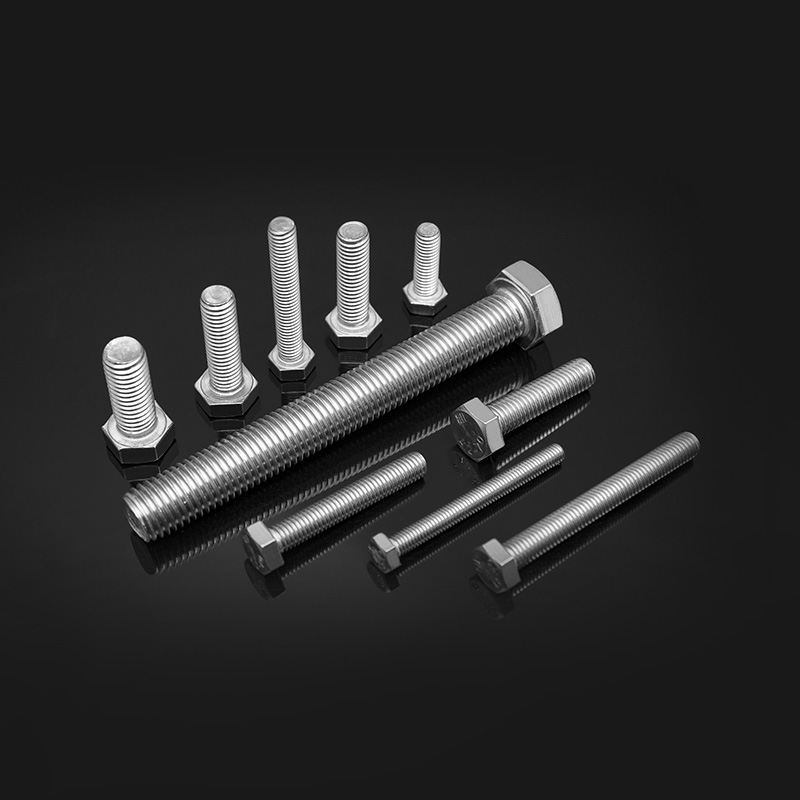
ThreadTolerance: 6gstandardDIN 13-15、DIN 13-12Rod diameter dd≤M20:A2-70、A4-70;M20<d≤M39:A2-50、A4-50;d≥M39:C3、C4;d<M39
See Details
Copyright © Jiangsu Huajie Stainless Steel Products Co., Ltd. All Rights Reserved.