eng
eng English
 русский
 Deutsch
 عربى
عربى
+86 189 6101 2359
+86 133 6521 5663
+86 138 5268 6835
Picture this: you are specifying fasteners for a public charging station, a piece of municipal infrastructure, or a high-value industrial control panel. A standard Phillips or hex head screw might as well be an open invitation. Anyone with a basic toolkit can remove it, which means unauthorized access, vandalism, or theft of components. This is precisely the problem that tamper resistant screw types are designed to solve.
Unlike standard fasteners, security screws require specialized drive tools that are not commonly found in a standard toolbox. The choice, however, is not a single product but a family of designs, each with its own level of security, tooling requirements, and ideal use case. This guide breaks down the most common tamper resistant screw types, explains how they work, and provides a practical framework for selecting the right one for your project, with a specific focus on the long-term reliability of stainless steel.
Content
A tamper resistant screw, often called a security screw or anti-tamper fastener, is a fastener whose drive recess (the shape in the head) is intentionally modified to be incompatible with standard screwdrivers and bits. The primary function is not to provide absolute, impenetrable security, but rather to delay, deter, and increase the difficulty of unauthorized removal.
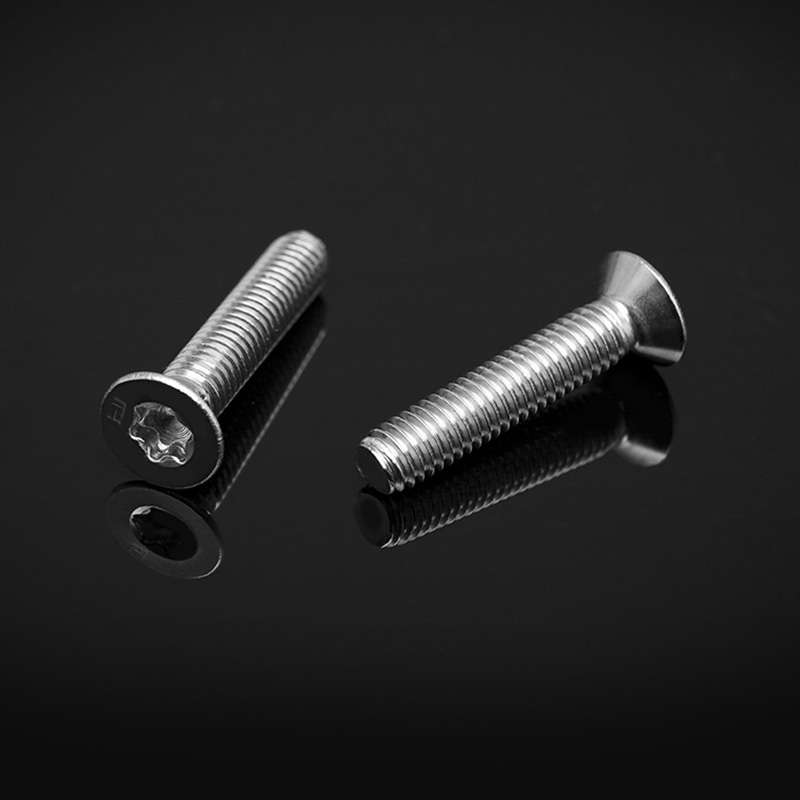
The most significant distinction between a standard screw and its tamper resistant counterpart lies in the drive geometry. For example, a standard Torx drive has a simple six-pointed star. A tamper resistant Torx screw includes a small pin in the center of the star. A standard hex bit cannot fit over this pin, so it cannot gain the necessary grip to turn the screw. This simple yet effective principle is the basis for most security fasteners.
In the hardware industry, it is critical to understand the terminology. "Tamper resistant" does not mean "tamper proof." There is no such thing as a screw that cannot be removed with enough determination and advanced tooling. A determined individual can use destructive methods, such as drilling out the head or using specialized extraction tools, to remove nearly any fastener. The goal of a tamper resistant screw is to prevent casual or opportunistic tampering and slow down a more determined adversary long enough for the risk of detection to outweigh the benefit.
Security levels generally fall into three categories:
The security effect is achieved entirely through the geometry of the drive recess. A standard screwdriver bit relies on a friction fit and mechanical engagement with the flat sides of a slot. Security designs modify these surfaces to prevent standard tools from making contact.
The most common modification is the addition of a small, hardened pin or post in the center of a standard drive shape, such as Torx or Hex. This pin blocks the insertion of a standard Allen key or Torx bit. To turn the screw, you must use a corresponding "safety" tool with a hollow center that fits over the pin. The pin must be strong enough to withstand the torque applied to the screw without shearing off, which is why material and case hardening are critical factors. This is where a high-quality stainless steel alloy is essential, as it provides both the necessary strength and corrosion resistance.
Another security principle involves controlling "cam-out," the tendency of a driver bit to slip out of a recess under high torque. While cam-out is a nuisance with Phillips screws, it is a defense feature in security designs. The specialized bits for tamper resistant screws are machined to tight tolerances to ensure a secure grip and prevent slippage, which is vital when driving a screw into hard metal or when high vibration could loosen it over time. A proper fit prevents damage to both the tool and the screw head, ensuring that the screw can be installed to the correct torque specification.
While numerous proprietary designs exist, the vast majority of industrial and commercial applications use a distinct set of standardized types. Here is a breakdown of the most common ones you will encounter.
This is arguably the most common and versatile tamper resistant screw type in the world. It features a standard six-pointed star (Torx) recess with a small pin in the center. The design flaw of standard Torx screws, which are susceptible to stripping under high torque, is mitigated here because the driver bit is designed with a center hole and does not rely on the pin for strength.
Tooling: A security Torx bit with a hollow center, typically sold in sizes T10 through T40.
Applications: You will find these in outdoor electrical enclosures, public restroom fixtures, security lighting, automotive components, and any situation where a high degree of tamper resistance is needed with repeatable installation torque.
Similar to the pin-in Torx, this design features a standard hexagonal recess with a center pin. The standard Allen key becomes useless because it cannot fit over the pin. This type is particularly popular in settings where a standard hex key is the only tool on hand.
Tooling: A hollow-ended "safety" hex key or bit, commonly known as a tamper-proof Allen key.
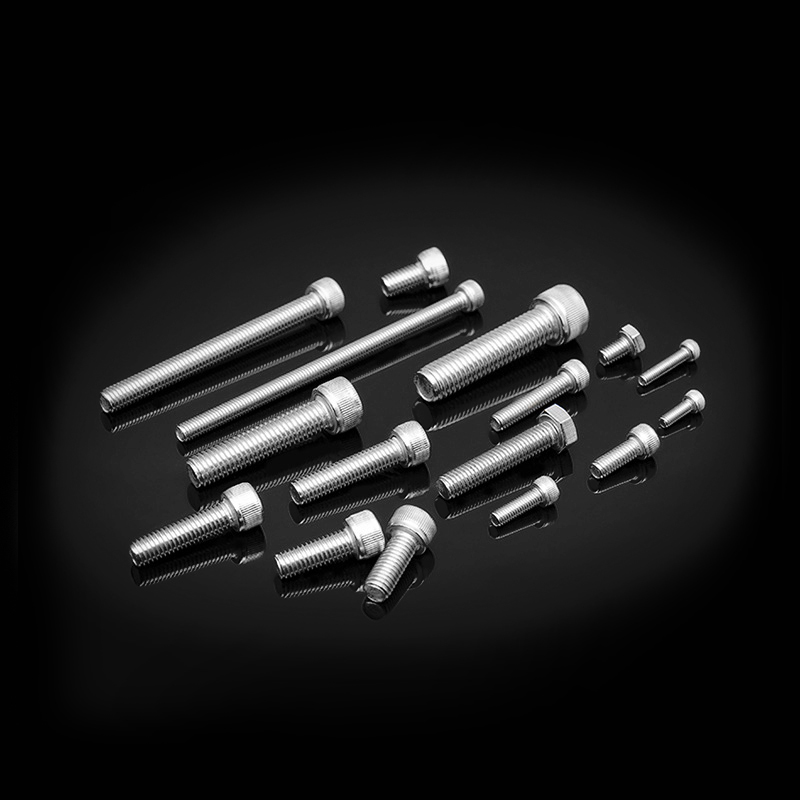
Applications: Commonly found in machinery guards, hydraulic systems, and museum displays. It is a robust choice for applications requiring a high clamp load. If you are currently using standard socket head cap screws in your designs, switching to the pin-in version is straightforward. To understand the base product, take a look at the specifications for stainless steel hexagon socket head cap screws, which are the non-security counterpart to this type.
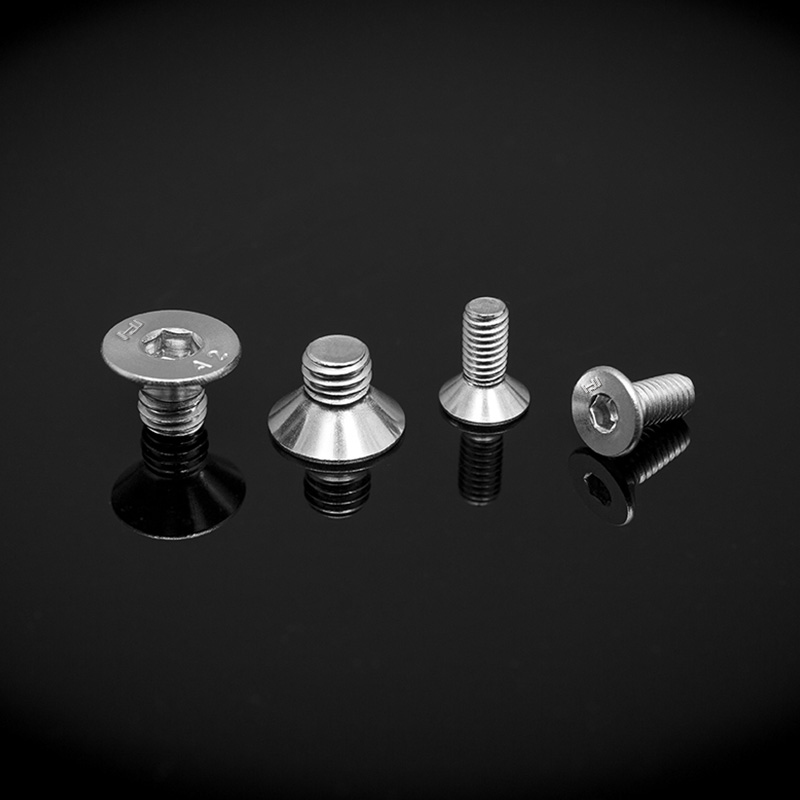
 Wholesale 304/316 Hexagon Socket Head Cap Screws Suppliers, CompanyAs China OEM/ODM 304 Hexagon Socket Head Cap Screws Suppliers and 316 Hexagon Socket Head Cap Screws Company, Huajie Stainless Steel Whol...View Product →
These are the "entry-level" security screws. A standard Phillips or flathead slot is modified with a center pin. They are easy to install with the correct tool and provide a basic level of security against people who only carry a standard #2 Phillips screwdriver or a flathead.
Tooling: A specialty pin-in Phillips or slotted driver.
Applications: These are often used in indoor applications where the threat model is low, such as covering access panels in less critical equipment or securing furniture hardware.
This design uses three slightly curved, asymmetrical wings radiating from the center. It is a highly distinctive look that requires a matching tri-wing bit. These are considered a higher security option because the bits are less common than Torx or hex drivers.
Tooling: A specialized tri-wing screwdriver bit.
Applications: Historically used in the aerospace industry and now commonly found in consumer electronics like gaming controllers and laptops, where manufacturers want to discourage user repairs.
A five-lobed, flower-like recess, this is the most ubiquitous in the modern consumer electronics space. It is a proprietary design that gained notoriety as a way to thwart users from opening smartphones and laptops.
Tooling: A specific pentalobe driver, usually sized TS1 or TS5.
Applications: Exclusively found in consumer electronics, such as iPhone back covers, MacBook batteries, and other high-end portable devices.
These screws feature a drive recess that is sloped in the clockwise direction and has a sharp vertical edge in the counter-clockwise direction. A standard screwdriver will slip up and out when you attempt to loosen it, but it can engage perfectly to tighten it.
Tooling: Standard installation tools, but specialized removal tools are required (often involving drilling or using a specifically shaped extractor).
Applications: These are the go-to choice for permanent installations. You will see them on metal nameplates, security grilles, highway signs, and public building fixtures where removal is never intended.
This is an instantly recognizable design featuring two small, round holes in the head. It requires a "spanner" bit, which has two pins that match the holes. The main weakness is that the small pins can break if too much torque is applied, and the holes can be plugged with epoxy to prevent removal.
Tooling: A spanner bit (sizes ranging from #4 to #10).
Applications: Primarily used in public restrooms, hospital bed frames, and various public amenities where vandalism is a concern.
A historical design with a distinctive hourglass or bowtie shape. While less common in modern consumer goods, it is still specified in certain automotive and industrial applications. It is driven with a special bit that fits the center curvature.
Tooling: A clutch-head driver bit.
Applications: Found in older machinery restorations, some vintage automotive components, and specialized industrial equipment that has maintained a supply chain for these parts.
| Type | Drive Feature | Primary Application |
|---|---|---|
| Pin-In Torx | Star shape with center pin | Electrical enclosures, public infrastructure |
| Pin-In Hex | Hexagonal with center pin | Machinery guards, hydraulic systems |
| Pin-In Phillips | Cross slot with center pin | Lower-security access panels |
| Tri-Wing | Three curved wings | Aerospace, consumer electronics |
| Pentalobe | Five-lobed flower | Smartphones, tablets, laptops |
| One-Way | Sloped clockwise edge | Permanent signs, nameplates |
| Snake-Eye (Spanner) | Two round holes | Public restrooms, vandalism-prone areas |
| Clutch Head | Hourglass shape | Vintage equipment, specialized machinery |
The choice of material is just as important as the head style. A tamper resistant screw made from low-grade carbon steel with a thin zinc plating will eventually rust, pit, and corrode. As the corrosion progresses, the drive recess becomes rounded and the pin weakens. In a few years, you may not be able to insert the specialized tool at all, effectively turning a "security" screw into a permanently stuck and rusted bolt.
For outdoor or high-humidity environments, the only sensible choice is an austenitic stainless steel alloy. Here is a quick comparison:
Because security screws are often used in unattended public spaces, the hidden costs of corrosion (replacement, safety hazards, vandalism) far outweigh the initial savings of a cheaper material. The material integrity ensures that the specialized bit engages correctly every time, even after years of exposure. For a deeper look at why this material outperforms alternatives in critical applications, review the key advantages of stainless steel screws.
 Advantages of stainless steel screws- Jiangsu Huajie Stainless Steel Products CoAs one of the most common fasteners, screws play an indispensable role in modern industry. Among various screw materials, stainless steel...View Product →
Selecting the right security screw is a balance between security needs, maintenance access, and environmental factors. There is no single "best" type, only the best fit for your specific criteria. Here is a simple decision-making framework to guide you.
If the joint is meant to be permanent, a One-Way Screw is an excellent choice. However, if you need to periodically access the equipment for maintenance, a Pin-In Torx or Pin-In Hex is more practical. You need to be able to remove and reinstall them without damaging the head.
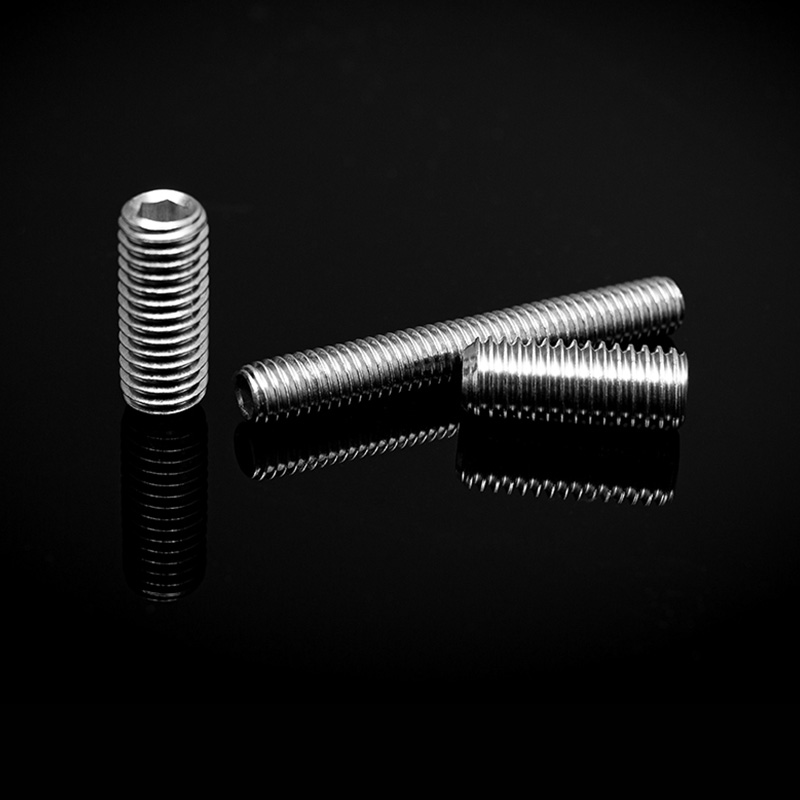
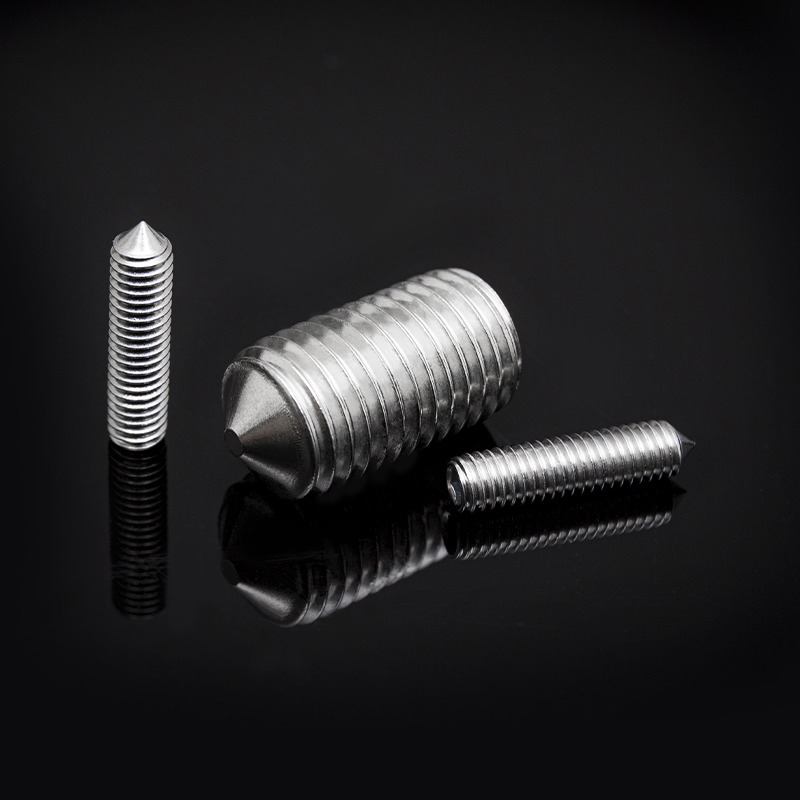
To determine the correct material, assess the environment. For a dry, indoor control cabinet, a 304 stainless steel pin-in Torx is sufficient. For a coastal boardwalk or a wastewater treatment plant, you should strongly consider 316L stainless steel. The fastener will only contribute to the safety and longevity of your system if it does not degrade. For applications where the screw is used to fix a component in place, such as a setting that does not allow for frequent adjustment, you might also consider combining a security screw with a stainless steel set screw for secure positioning to prevent movement.
 Wholesale 304/316 Stainless Steel Set Screws Suppliers, CompanyAs China OEM/ODM 304 Stainless Steel Set Screws Suppliers and 316 Stainless Steel Set Screws Company, Huajie Stainless Steel Wholesale St...View Product →
Remember that a tamper resistant fastener is only as good as your ability to maintain it. Standardizing on one or two types (e.g., Pin-In Torx only) means your maintenance team only needs to carry a small set of security bits. Introducing too many types across a facility will create a logistical headache. Evaluate the cost of the specialized bits and ensure they are readily available for your technicians.
Installing a tamper resistant screw is straightforward, but it does require the correct driver. Never attempt to use a standard bit; it will not engage properly and can damage the screw head or the bit itself.
Invest in high-quality S2 hardened steel or similar bits. For most industrial applications, a set of magnetic security bits (covering Torx, Hex, and Spanner) is an economical and practical solution. Ensure the bits fit snugly into the recess. A loose fit will cause shearing and stripping under high torque.
If a security screw is stripped or the tool breaks, it can be challenging to remove. The most common methods involve destructive access:
These methods are time-consuming and can damage the surrounding substrate. This is precisely why material quality matters. A high-strength stainless steel screw prevents the head from stripping in the first place, drastically reducing the need for these destructive and costly emergency removal procedures.
Selecting the correct tamper resistant screw type is a matter of analyzing risk and operational reality. The decision should be driven by the level of security required (casual deterrence vs. serious protection), the environmental conditions (which dictate the need for 304 or 316L stainless steel), and the practical need for future maintenance.
While designs like pin-in Torx and one-way heads are excellent starting points, always prioritize material integrity. An anti-tamper fastener is only reliable if it remains structurally sound and corrosion-free over the lifespan of your product. For demanding applications, the enhanced durability of stainless steel ensures that the fastener remains a security barrier, not a maintenance liability. If you are defining specifications for a new project and need to discuss material performance or custom head designs, reaching out to a manufacturer with deep expertise in stainless steel fasteners is a prudent first step.
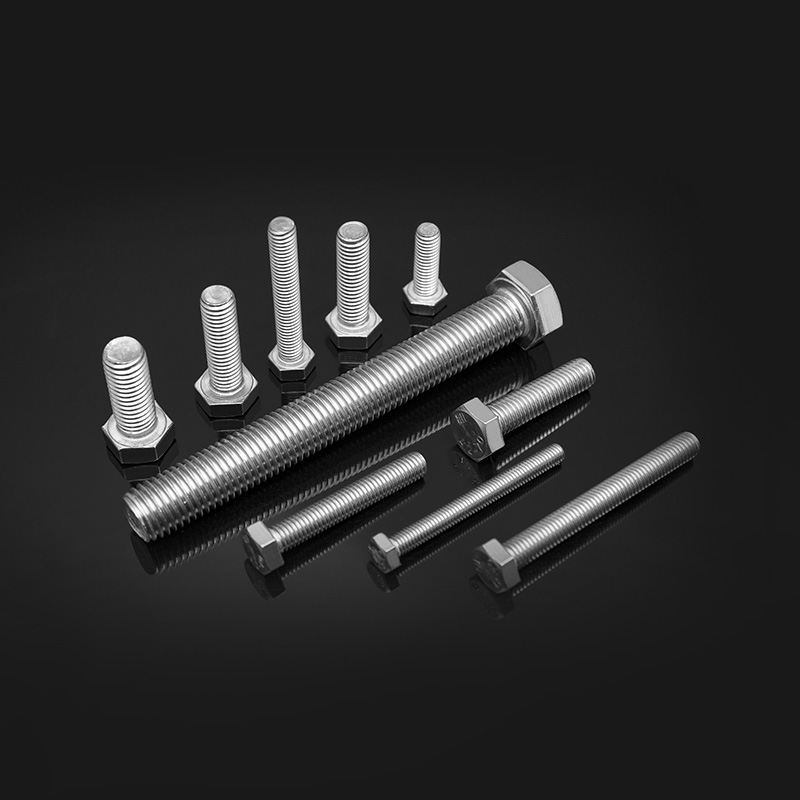
ThreadTolerance: 6gstandardDIN 13-15、DIN 13-12Rod diameter dd≤M20:A2-70、A4-70;M20<d≤M39:A2-50、A4-50;d≥M39:C3、C4;d<M39
See Details
Copyright © Jiangsu Huajie Stainless Steel Products Co., Ltd. All Rights Reserved.