eng
eng English
 русский
 Deutsch
 عربى
عربى
+86 189 6101 2359
+86 133 6521 5663
+86 138 5268 6835
Content
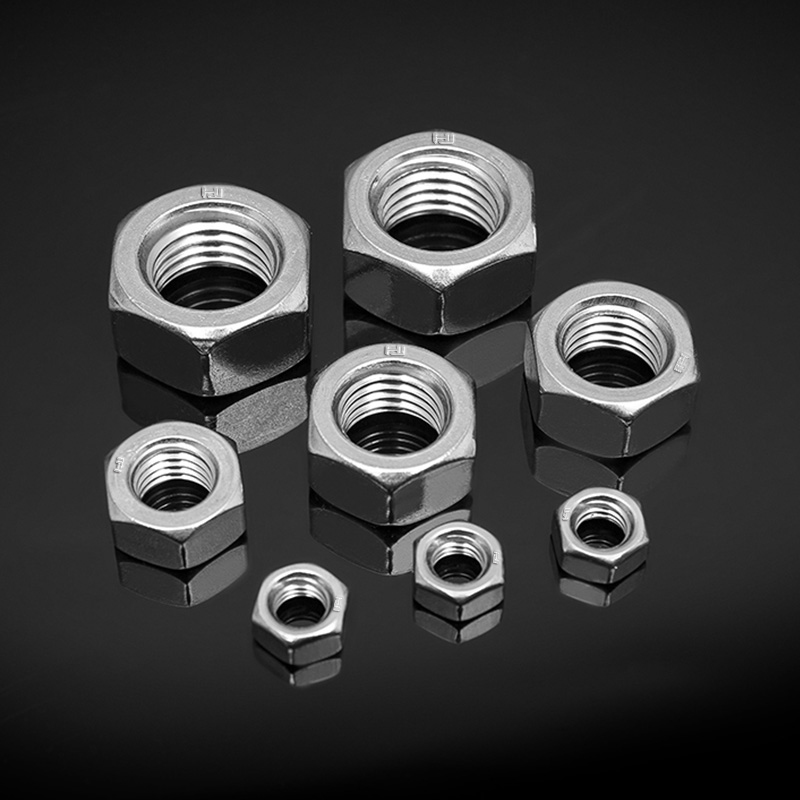
Hex nuts are one of the most common fasteners used in machinery, construction, and various industrial applications. They are designed to provide secure fastening when paired with bolts or threaded rods. Among hex nuts, two popular types are standard hex nuts and stainless steel hexagon flange nuts. Understanding the differences between these two types is crucial for selecting the right fastener for specific applications.
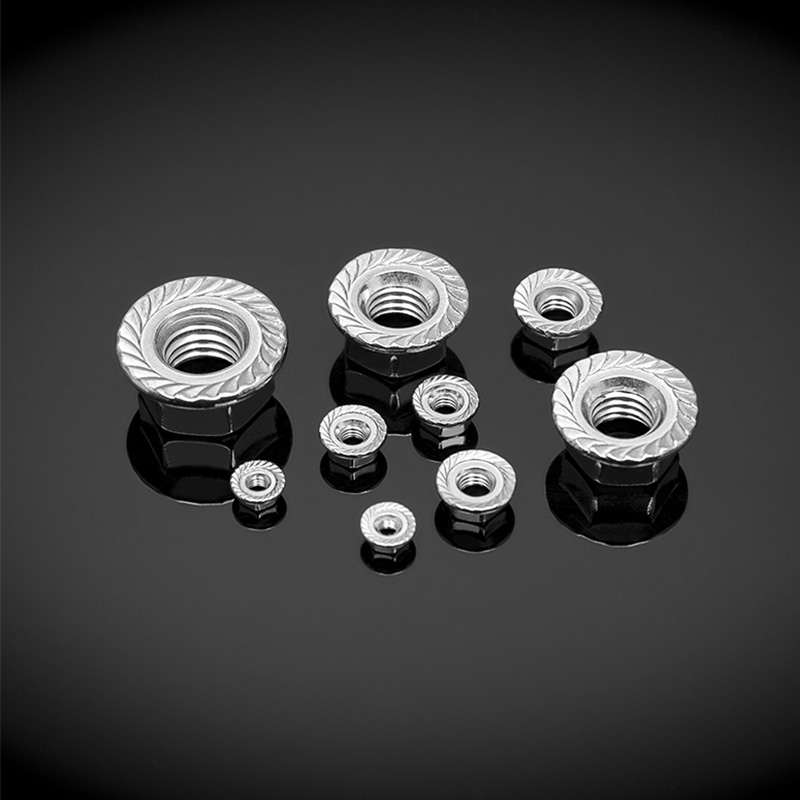
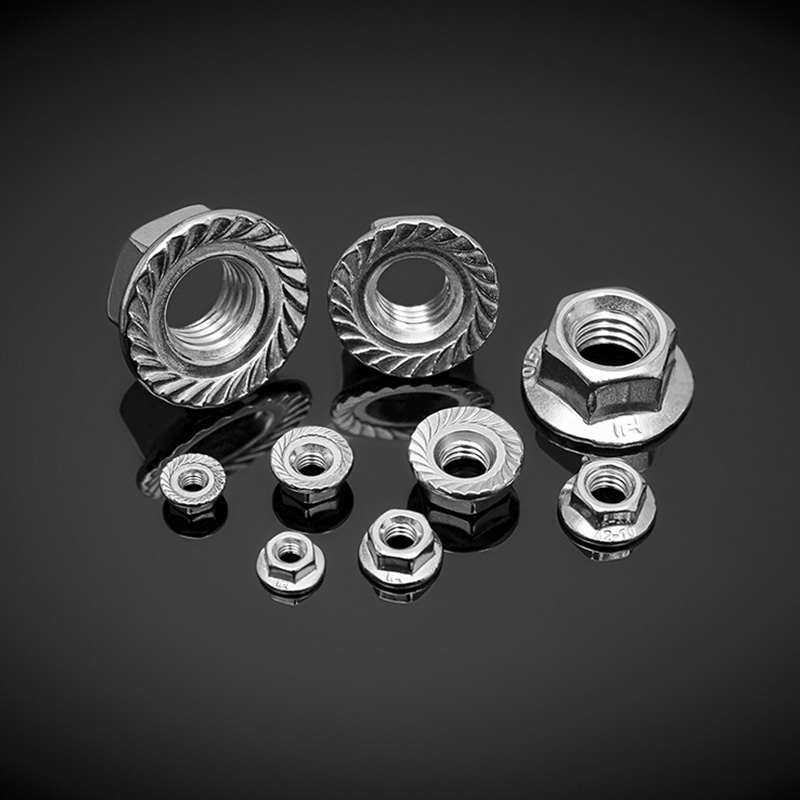
Standard hex nuts feature a simple six-sided design that is easy to install using common wrenches or socket tools. In contrast, stainless steel hexagon flange nuts integrate a built-in flange at the base, which acts like a washer, distributing the load over a larger surface area.
Both standard hex nuts and flange nuts have a six-sided shape, allowing for high torque application and compatibility with standard tools. The hexagon design ensures that these nuts can be tightened securely and prevents slipping during installation.
The flange in stainless steel hexagon flange nuts provides several advantages:
Material choice is a key factor in fastener performance. Standard hex nuts can be made from carbon steel, alloy steel, or stainless steel. Stainless steel hexagon flange nuts, as the name implies, are specifically manufactured from stainless steel, providing superior resistance to corrosion, rust, and chemical exposure. This makes them highly suitable for outdoor, marine, and high-humidity environments.
One of the major differences between standard hex nuts and flange nuts is how they handle load and stress:
Both standard hex nuts and flange nuts are widely used, but their applications vary depending on the need for load distribution, vibration resistance, and environmental durability.
| Feature | Standard Hex Nut | Stainless Steel Hexagon Flange Nut |
| Load Distribution | Concentrated, may need washer | Even, built-in flange reduces surface damage |
| Vibration Resistance | Moderate, may loosen over time | High, flange helps maintain tightness |
| Corrosion Resistance | Depends on material, may rust | Excellent, stainless steel resists rust and chemicals |
| Installation | Requires standard tools | Compatible with standard tools, flange reduces need for washer |
Standard hex nuts are generally less expensive than stainless steel hexagon flange nuts, particularly when produced from carbon steel. However, the long-term benefits of flange nuts, such as reduced maintenance, improved durability, and lower risk of loosening, often justify the higher initial cost in critical applications.
Choosing between standard hex nuts and stainless steel hexagon flange nuts depends on the specific requirements of your project. If load distribution, vibration resistance, and corrosion protection are priorities, stainless steel flange nuts offer clear advantages. Standard hex nuts remain suitable for simpler, low-stress applications where cost is a primary consideration. Understanding these key differences ensures optimal fastener selection and reliable performance in your assemblies.
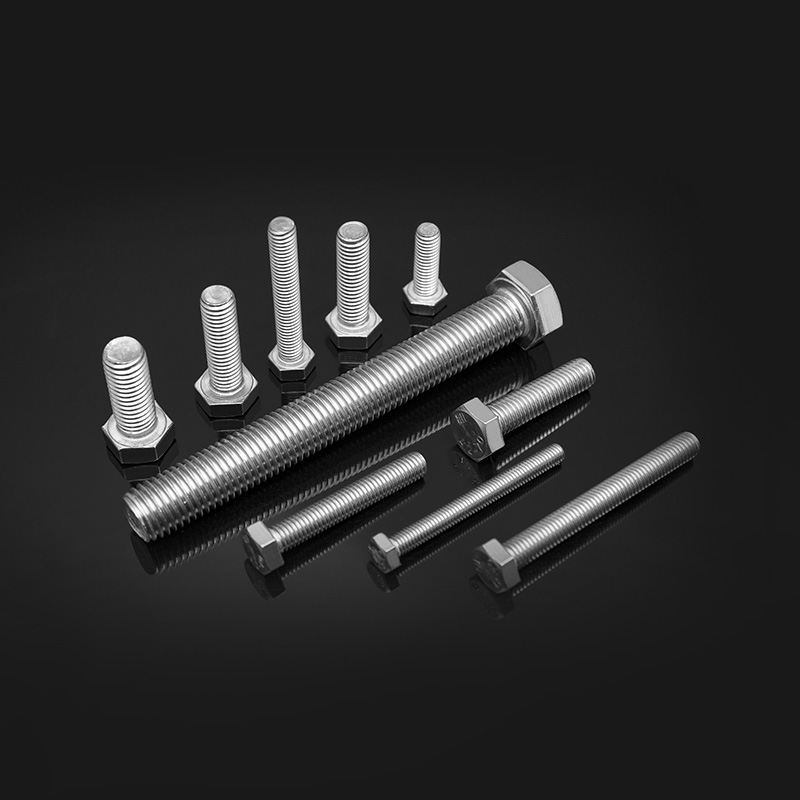
ThreadTolerance: 6gstandardDIN 13-15、DIN 13-12Rod diameter dd≤M20:A2-70、A4-70;M20<d≤M39:A2-50、A4-50;d≥M39:C3、C4;d<M39
See Details
Copyright © Jiangsu Huajie Stainless Steel Products Co., Ltd. All Rights Reserved.