eng
eng English
 русский
 Deutsch
 عربى
عربى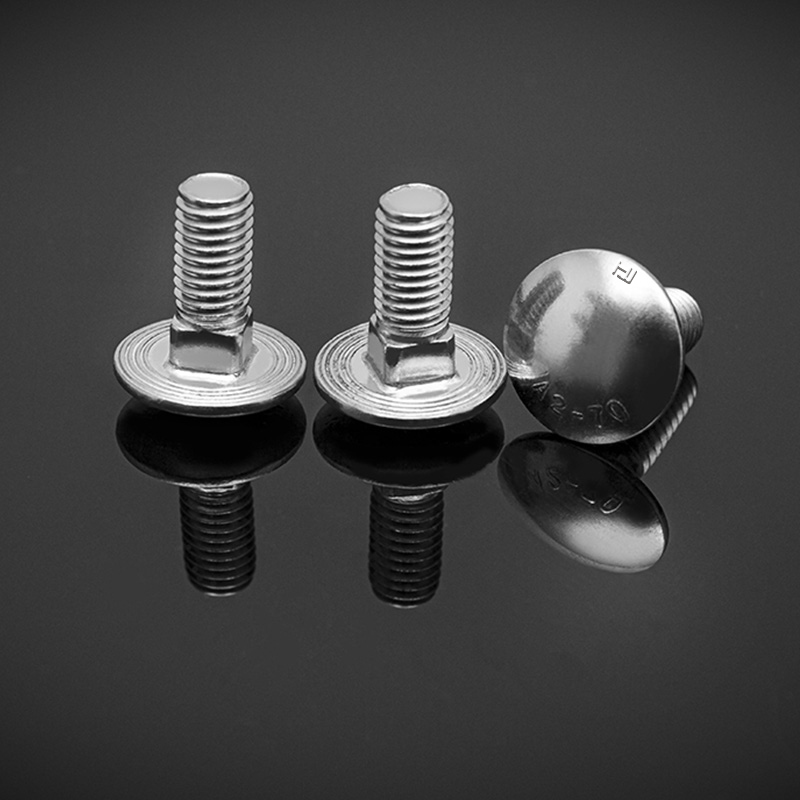
+86 189 6101 2359
+86 133 6521 5663
+86 138 5268 6835
Stainless steel bolts, nuts, screws, and threaded rods are the correct choice wherever corrosion resistance, hygiene, or long service life in wet environments is required — but the grade of stainless steel matters enormously. A316 stainless fastener in a marine environment will outlast a304 fastener by a factor of three or more. An A2-70 bolt carries 700 MPa proof load; an A4-80 carries 800 MPa and resists chloride stress corrosion that would crack A2 in the same installation. Getting the grade right is more important than any other fastener decision. This article covers which grades to choose, how stainless fasteners compare across all four product types, what the strength designations mean, and where each fastener type is most effectively applied.
Content
Stainless steel fasteners are designated by two systems that are frequently confused: the material grade (which alloy the fastener is made from) and the property class (which describes mechanical strength). Both matter, and neither alone tells the full story.
The ISO 3506 standard governs stainless fasteners and assigns letter-number grade designations:
The number following the grade letter indicates the minimum tensile strength in units of 10 MPa:
| Grade / Class | Alloy Equivalent | Min. Tensile (MPa) | Proof Load (MPa) | Corrosion Resistance | Typical Applications |
|---|---|---|---|---|---|
| A2-50 | 304 / 18-8 | 500 | 210 | Moderate (no Cl⁻) | Light fittings, non-structural interior |
| A2-70 | 304 / 18-8 | 700 | 450–580 | Moderate (no Cl⁻) | General structural, food equipment, architectural |
| A4-70 | 316 / 316L | 700 | 450–580 | High (marine, chloride) | Marine, coastal, chemical process, pools |
| A4-80 | 316 / 316L | 800 | 600 | High (marine, chloride) | High-load marine, offshore, structural marine |
| Duplex A5-80 | 2205 duplex | 800+ | 640+ | Very high (SCC resistant) | Offshore, desalination, high-stress marine |
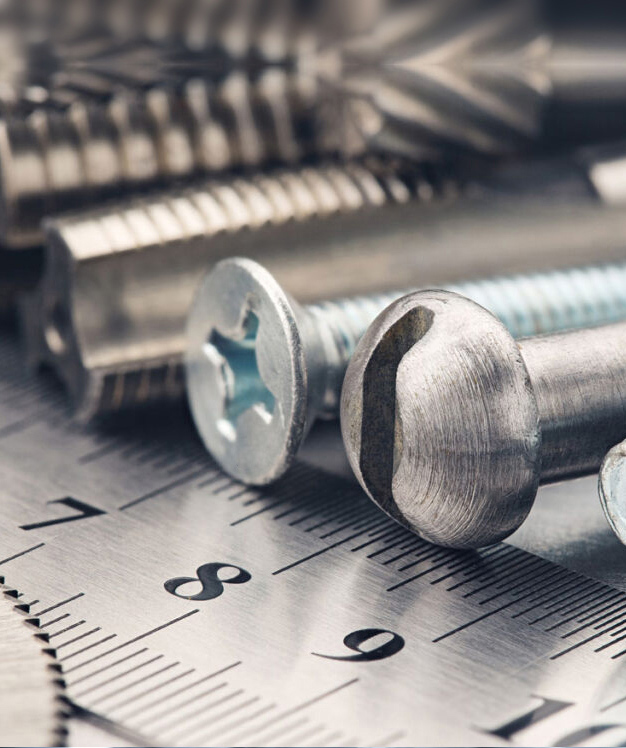
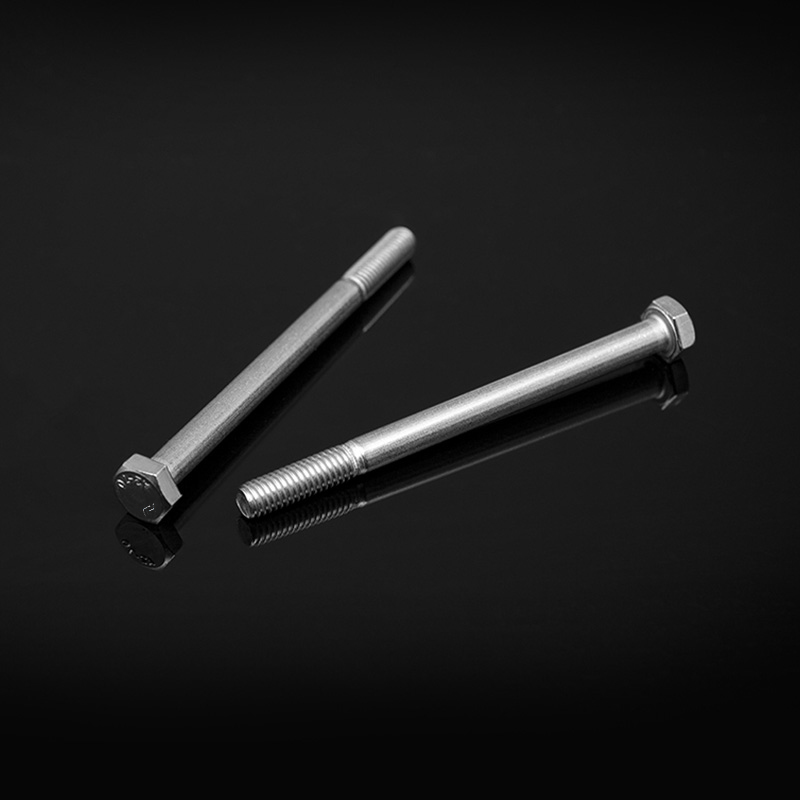
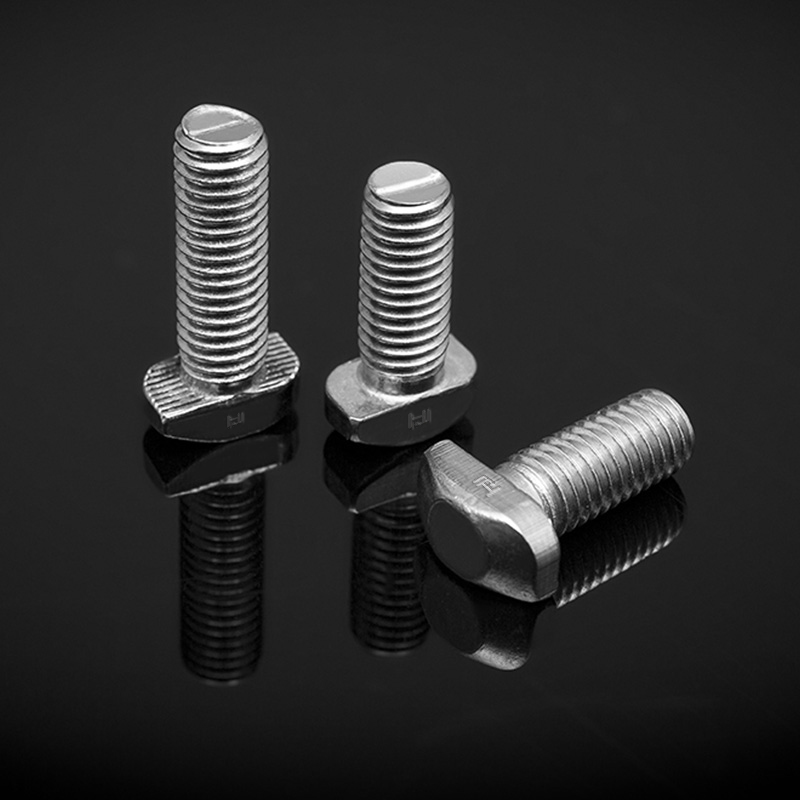
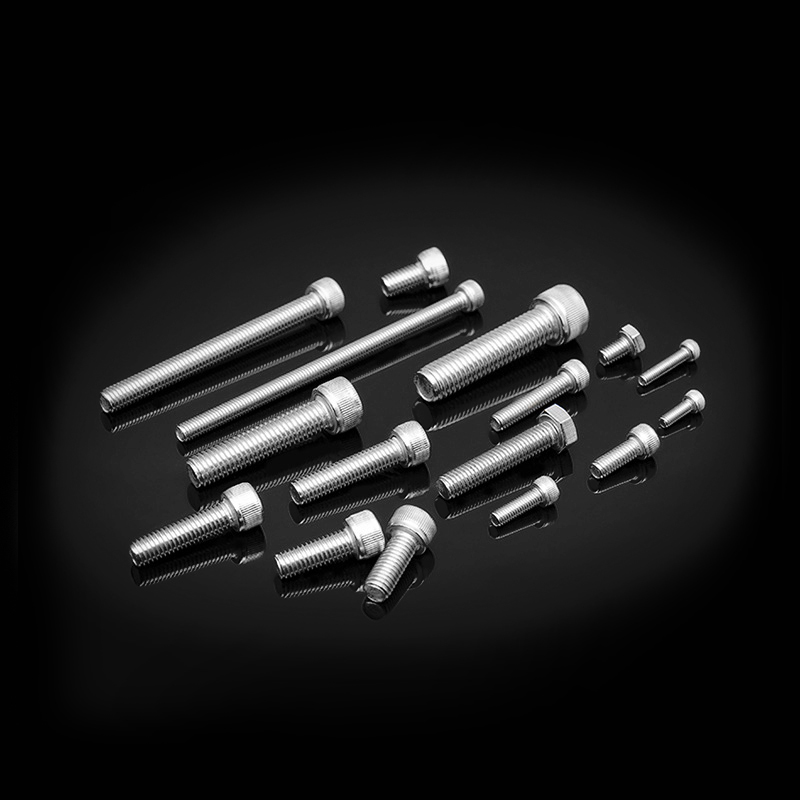
A bolt is externally threaded and designed to be fastened with a nut — the distinction from a screw (which engages its own thread in the receiving material) matters for correct selection. Stainless steel bolts are available in an extensive range of head styles and drive configurations, and the correct choice depends on the structural requirements, installation access, and aesthetics of the application.
Stainless bolts are produced in both metric (ISO thread, designated M followed by diameter — M8, M12, M20) and imperial (UNC coarse thread and UNF fine thread) standards. Metric stainless fasteners dominate global industrial and construction markets; imperial threads remain prevalent in North American marine and industrial applications. The two thread forms are incompatible — metric bolts must be paired with metric nuts and vice versa. Coarse metric threads (standard pitch — M10×1.5) are more robust against cross-threading and are specified for most structural applications; fine threads (M10×1.25) provide better resistance to vibration loosening and are used in precision and vibration-intensive applications.
A full stainless bolt specification reads, for example: M12 × 60 A4-70 ISO 4014. This means: metric 12mm diameter, 60mm nominal length (measured from under the head for most bolt types), 316 stainless in 70-grade property class, partial thread to the ISO 4014 standard. Always specify all five elements when ordering to avoid receiving an incorrect fastener. Common confusion points:
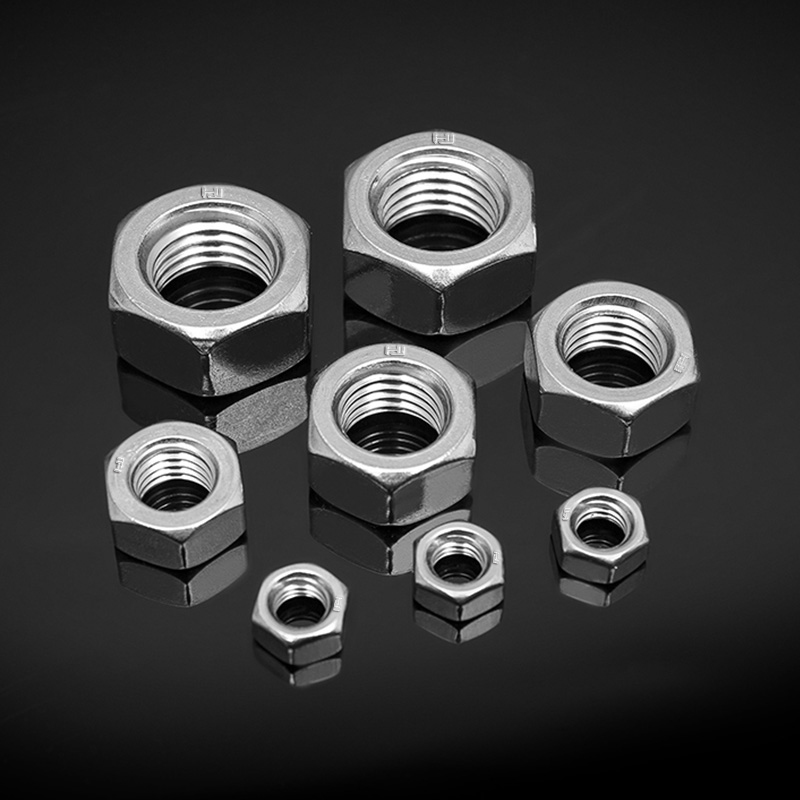
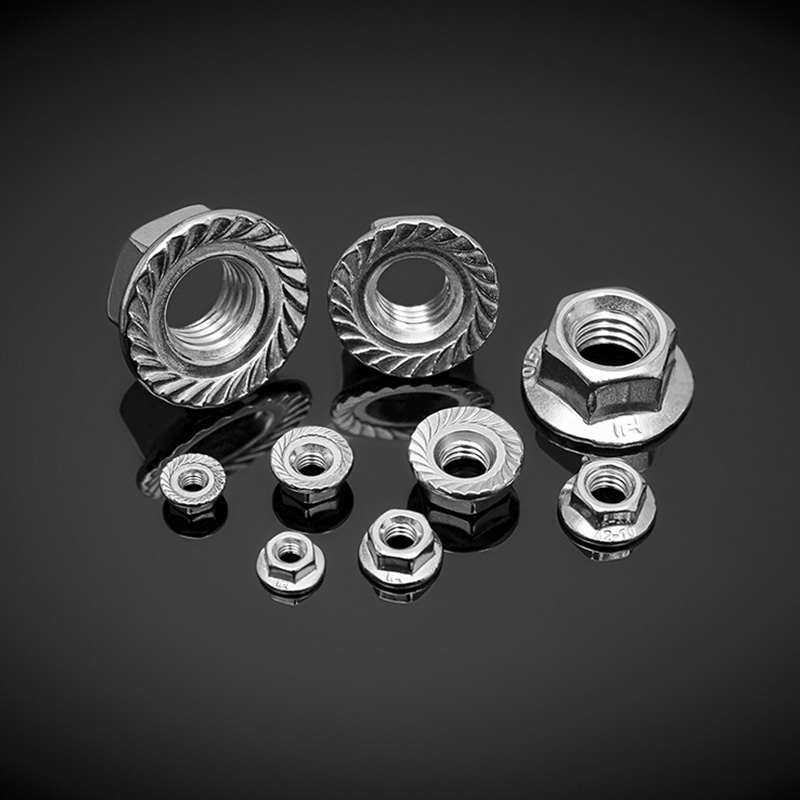
Stainless steel nuts must always be specified at the same or higher grade as the bolt they are paired with — mismatching grades creates the risk of the nut thread failing before the bolt, or galvanic interaction between dissimilar alloys. Beyond grade matching, the most critical practical issue with stainless nuts is galling.
Galling (also called cold welding or seizure) occurs when the oxide layer on two stainless steel surfaces is disrupted during tightening, causing the base metal surfaces to weld together under friction and pressure. The fastener seizes mid-installation and either cannot be fully tightened or cannot be removed without destruction. Galling is more common with stainless than with zinc-plated carbon steel because stainless's passive oxide layer is disrupted and reforms rapidly — creating adhesion between mating threads.
Practical prevention measures:
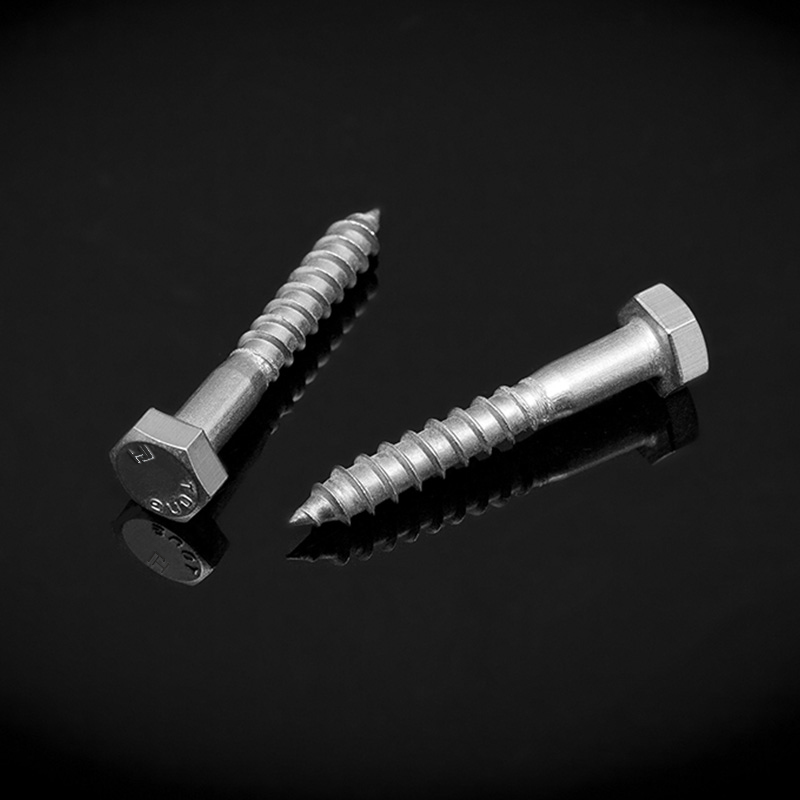
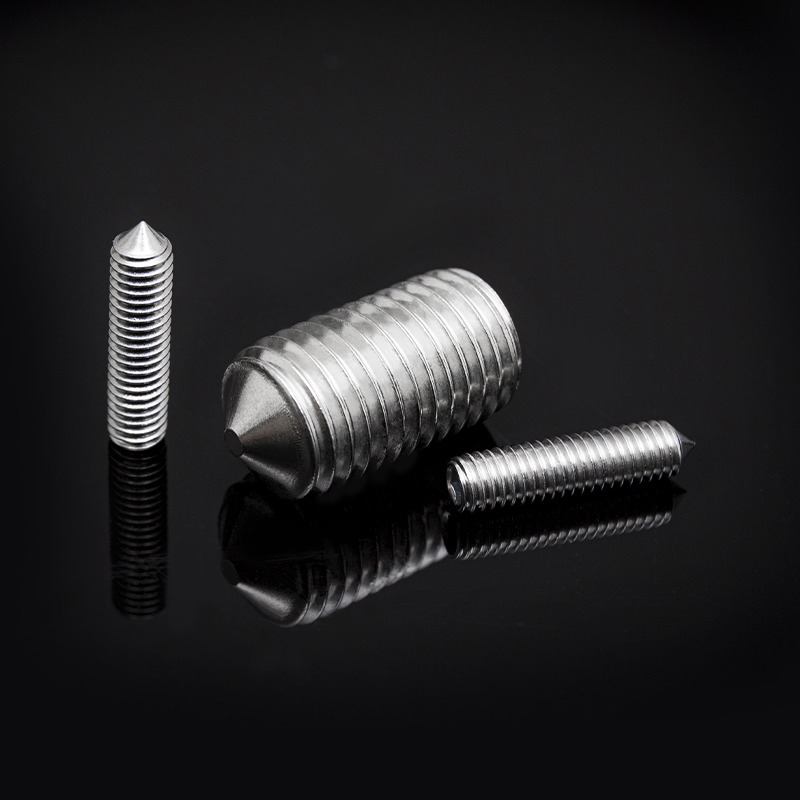
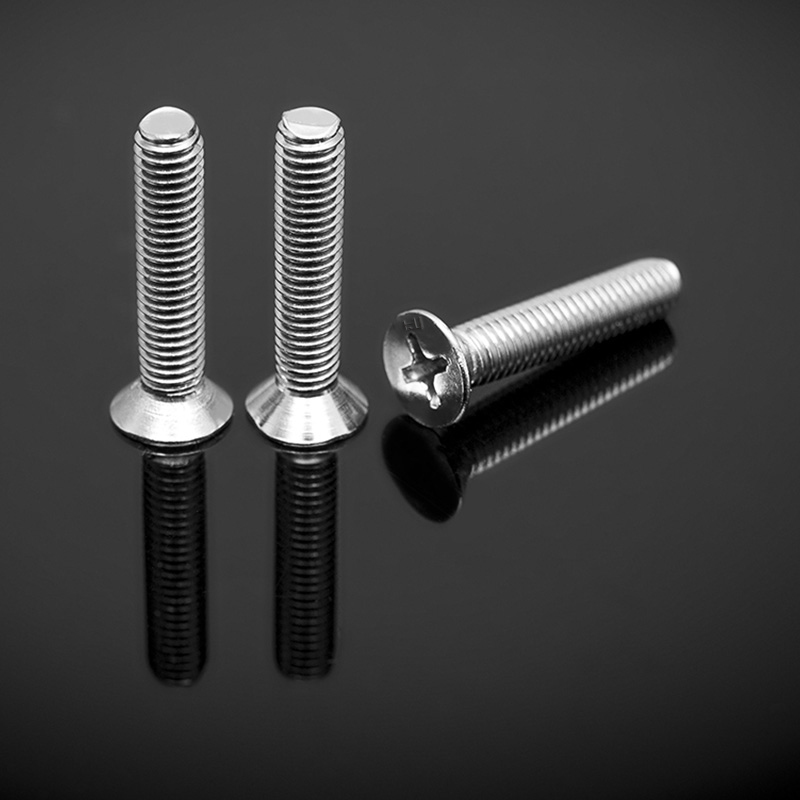
Stainless steel screws are fasteners that create their own thread in the receiving material, or engage a pre-tapped thread without requiring a nut. The distinction between screw types matters significantly for application and installation:
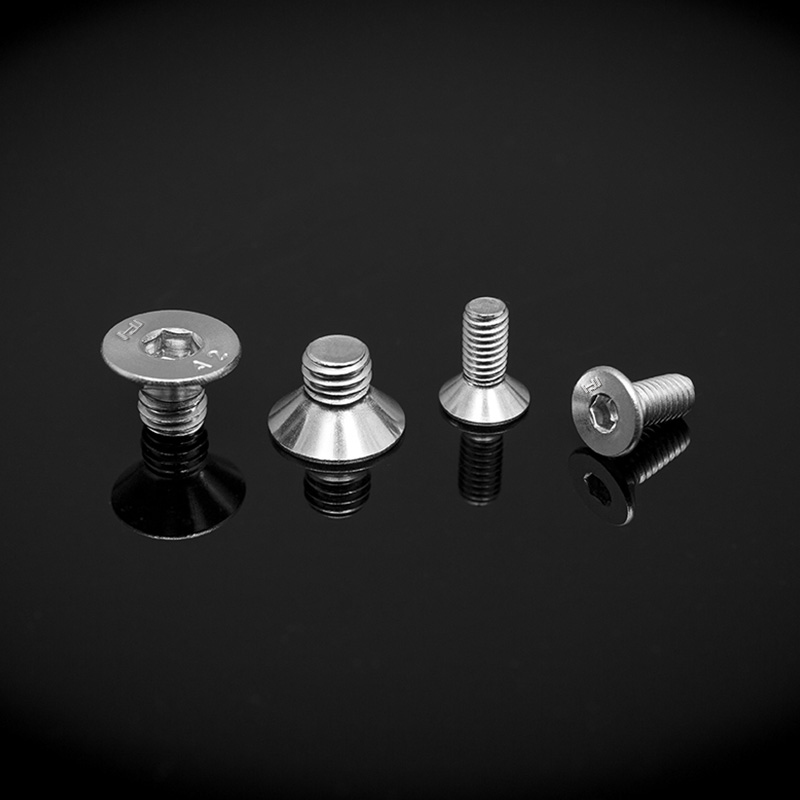
Machine screws have a uniform thread pitch along their full length and engage pre-formed threads — either in a tapped hole in metal, or with a nut. They are not self-tapping. Head styles include slotted pan, Phillips pan, hex socket (socket head cap screw / SHCS), Torx, and countersunk. Socket head cap screws in A2-70 or A4-70 are the standard precision machine screw for engineering applications — the hex socket drive allows high torque in confined spaces, and the cylindrical head provides a larger bearing surface than a countersunk head.
Self-tapping screws cut their own thread as they are driven into the material. Two sub-types:
Stainless wood screws and decking screws are among the highest-volume stainless fastener categories. Key selection points:
Stainless roofing screws with EPDM (ethylene propylene diene monomer) rubber sealing washers are used to fix metal roofing sheets, solar panel mounting rails, and cladding. The EPDM washer compresses under the screw head to create a weatherproof seal. Always use A4 grade for coastal and marine roofing applications — the combination of moisture, atmospheric salt, and galvanic interaction between the screw and aluminum or steel substrate accelerates A2 corrosion. EPDM washers have a service life of approximately 20–25 years before UV degradation requires replacement.
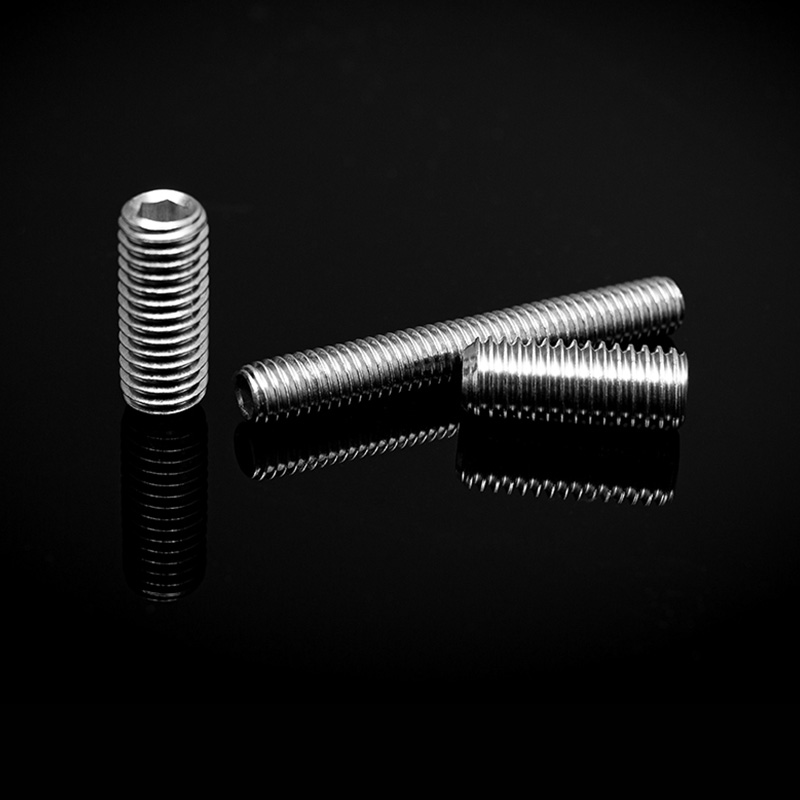
Stainless steel threaded rod (also called all-thread, fully threaded rod, or stud rod) is a length of bar stock with continuous threading along its full length, available in standard lengths of 1 m, 2 m, and 3 m, or cut to custom lengths. It is the most versatile stainless fastener product — by cutting to length and adding nuts and washers, threaded rod replaces purpose-made bolts of almost any length, creates adjustable hangers and supports, and forms the basis of tension rod assemblies.
| Diameter (mm) | Standard Thread Pitch (mm) | Stress Area (mm²) | Tensile Capacity A2-70 (kN) | Proof Load A2-70 (kN) | Common Applications |
|---|---|---|---|---|---|
| M6 | 1.0 | 20.1 | 14.1 | 9.0 | Light fittings, small components |
| M8 | 1.25 | 36.6 | 25.6 | 16.5 | Handrail posts, small structural ties |
| M10 | 1.5 | 58.0 | 40.6 | 26.1 | Balustrade tension rods, pipe hangers |
| M12 | 1.75 | 84.3 | 59.0 | 37.9 | Structural ties, anchor bolts, canopy tensioning |
| M16 | 2.0 | 157 | 110 | 70.7 | Heavy structural, marine mooring, frame ties |
| M20 | 2.5 | 245 | 171 | 110 | Foundation anchor rods, offshore, heavy marine |
| M24 | 3.0 | 353 | 247 | 159 | Large structural anchors, seismic bracing |
Cutting stainless threaded rod to length requires different tooling than cutting mild steel rod:
A stainless bolt or threaded rod assembly is only as reliable as its complete fastener stack. Specifying the correct washer and locking device is as important as the fastener grade.
Stainless fasteners should always be torqued to specification — under-torquing leaves joints susceptible to vibration loosening; over-torquing can strip threads or cause galling. The following values are indicative for A2-70 and A4-70 with anti-seize lubricant (dry torque values are approximately 20–25% higher):
For structural and safety-critical applications, always consult fastener manufacturer torque tables for the specific grade, thread condition, and lubricant being used — generic torque values carry tolerances of ±20% that may be unacceptable in precision or load-controlled connections.
Stainless is not always the optimal choice. Understanding when carbon steel, hot-dip galvanized, aluminum, or titanium fasteners are more appropriate prevents over-specification and unnecessary cost.
| Criterion | Stainless A2 | Stainless A4 | HDG Carbon Steel | Grade 8.8 Carbon Steel | Titanium Grade 5 |
|---|---|---|---|---|---|
| Corrosion resistance | Good | Excellent | Moderate | Poor (rusts rapidly) | Outstanding |
| Tensile strength (typical) | 700 MPa (A2-70) | 800 MPa (A4-80) | 430 MPa | 800 MPa | 900–1,000 MPa |
| Weight (density) | 7.93 g/cm³ | 7.98 g/cm³ | 7.85 g/cm³ | 7.85 g/cm³ | 4.43 g/cm³ |
| Relative cost | Moderate | Moderate–High | Low | Low | Very high |
| Magnetic? | Slightly (cold worked) | Slightly (cold worked) | Yes | Yes | No |
| Galling risk | Moderate | Moderate | Low | Low | High |
| Best for | General outdoor, food equipment, architecture | Marine, coastal, chemical, pools | Structural steelwork, heavy civil | High-strength indoor/dry applications | Aerospace, racing, ultra-corrosive |
The decision framework is clear: use A2 stainless for general outdoor and food/hygiene applications; use A4 wherever chlorides are present; use hot-dip galvanized for large structural steelwork where stainless cost is prohibitive; reserve titanium for weight-critical or extreme corrosion environments. Grade 8.8 carbon steel remains the right answer for high-strength indoor structural connections where corrosion is not a factor — its cost-to-strength ratio is unmatched by stainless at equivalent property class.
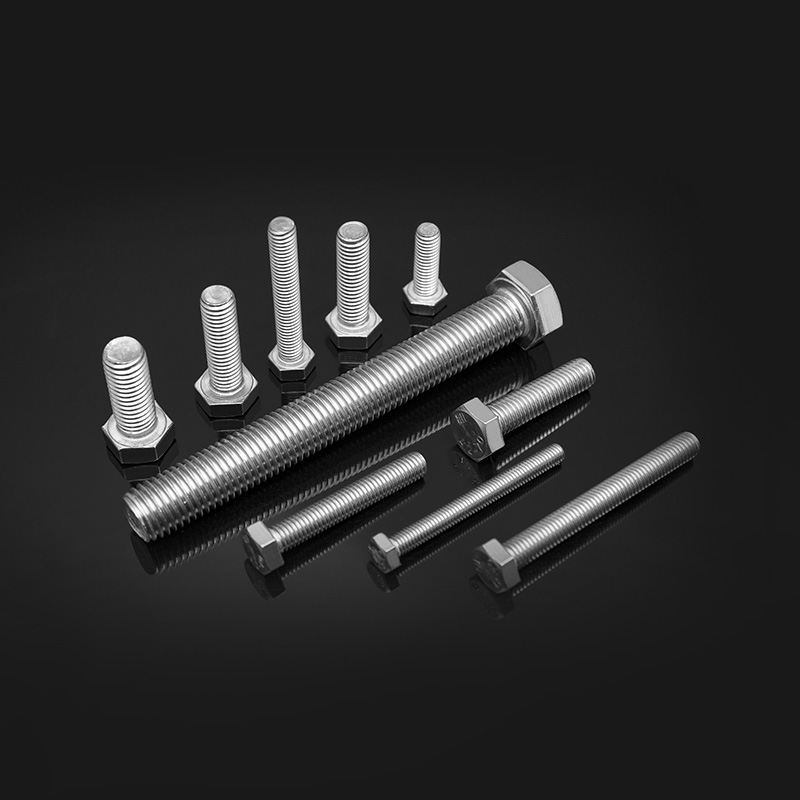
ThreadTolerance: 6gstandardDIN 13-15、DIN 13-12Rod diameter dd≤M20:A2-70、A4-70;M20<d≤M39:A2-50、A4-50;d≥M39:C3、C4;d<M39
See Details
Copyright © Jiangsu Huajie Stainless Steel Products Co., Ltd. All Rights Reserved.