eng
eng English
 русский
 Deutsch
 عربى
عربى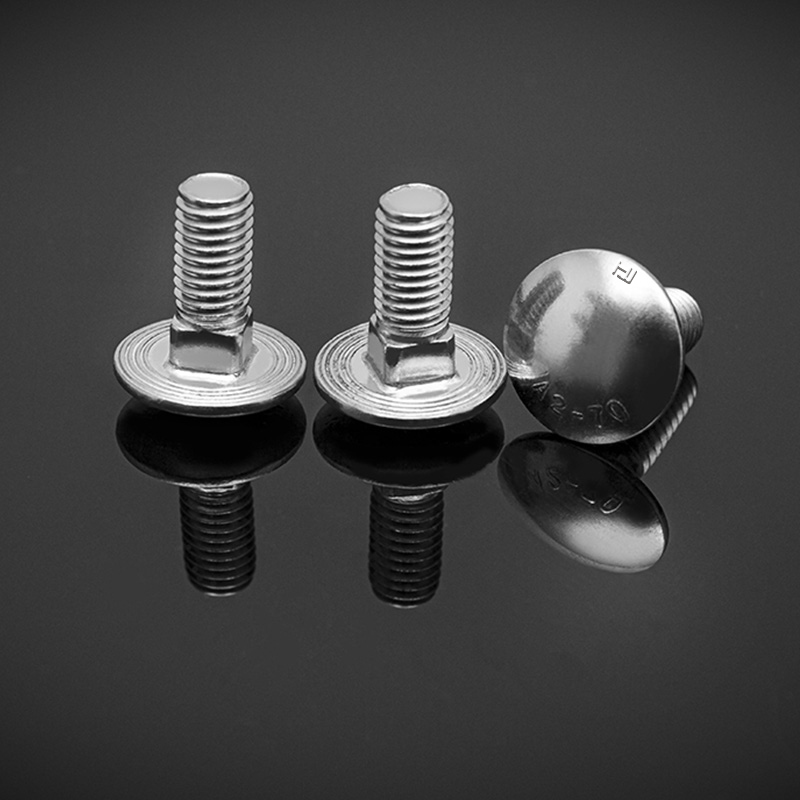
+86 189 6101 2359
+86 133 6521 5663
+86 138 5268 6835
Two stainless steel bolts can sit side by side on the same shelf, share the same head shape and the same thread pitch, and still behave in completely different ways once they are tightened into a joint. One holds a rail fastener through twenty years of weather and vibration. The other seizes with rust after a single winter near the coast. The difference is almost never the shape of the bolt, it is the grade of stainless steel it was made from and the strength class the manufacturer worked it to.
At Jiangsu Huajie Stainless Steel Products we have been making stainless fasteners since 2003, in an 80,000 square meter plant that ships roughly 60,000 tons a year from 201, 304 and 316L material. In that time we have learned that "which grade?" is the question that decides most fastening projects, and the one most often answered with a shrug. This guide walks through the grades of stainless bolts you are most likely to be offered, what each one is genuinely good at, and how to specify the right one without paying for properties you will never use.
Content
Before comparing grades, it helps to separate two labels that are constantly mixed up in purchase orders.
A 304 bolt and an A2-70 bolt can be the same physical part. "304" states the raw material family; "A2-70" states that it is an austenitic 304-family bolt, cold worked to a minimum tensile strength of 700 MPa. Confusing the two leads to complaints that have nothing to do with the actual quality of the fastener, so it is worth insisting that both appear on the drawing and on the certificate.
The table below summarises the grades that appear in the majority of enquiries we handle, along with the property classes usually quoted for each one.
| Grade | Nearest UNS | Family | Typical property class | Where it earns its keep |
|---|---|---|---|---|
| 201 | S20100 | Austenitic, low nickel | Often quoted at 700 MPa | Dry indoor assemblies and cost-driven hardware |
| 304 / 18-8 | S30400 | Austenitic (A2) | A2-50, A2-70 | General engineering, food equipment, architecture |
| 316 / 316L | S31600 / S31603 | Austenitic (A4) | A4-50, A4-70, A4-80 | Marine, chemical, medical and coastal service |
| 410 | S41000 | Martensitic | C1-70, C1-110 | High strength in dry, mildly corrosive locations |
| 17-4PH | S17400 | Precipitation hardening | Roughly 1,100 MPa | Aerospace-level strength with good corrosion resistance |
| A286 | S66286 | Iron-base superalloy | High-temperature classes | Turbines, exhaust systems and hot joints |
Around nine out of ten stainless bolts in circulation belong to the austenitic family, and inside that family three grades do almost all the work.
Grade 201 substitutes manganese for part of the nickel, which lowers cost but also lowers resistance to chlorides and acids. It performs well indoors, in dry or lightly humid conditions, and in applications where appearance matters more than longevity. It is not a sensible choice for coastal, chemical or washdown environments, and it becomes noticeably magnetic after cold working, which sometimes surprises buyers who assume all stainless steel is non-magnetic.
With roughly 18 percent chromium and 8 percent nickel, 304 covers the widest range of general engineering needs: machinery frames, food processing equipment, architectural fixings, solar mounting structures and electrical enclosures. In practice it is supplied as A2-50 for softer, more ductile joints or A2-70 where full strength is required. Its limitation is chloride exposure, where pitting can begin at the surface and spread quietly under a painted or powder-coated head.
Adding two to three percent molybdenum transforms performance in chloride-rich settings, which is why 316 and its low-carbon variant 316L are the default for marine hardware, chemical plant, pulp and paper mills, pharmaceutical equipment and offshore structures. Grades A4-70 and A4-80 are the usual designations. The low-carbon 316L version welds more cleanly and is often specified when bolts are welded or when heavy section thicknesses trap heat. Austenitic bolts gain their strength from cold working rather than heat treatment, which is also why the highest practical class in A4 is normally 80 and why the material can become slightly magnetic after heading and rolling.
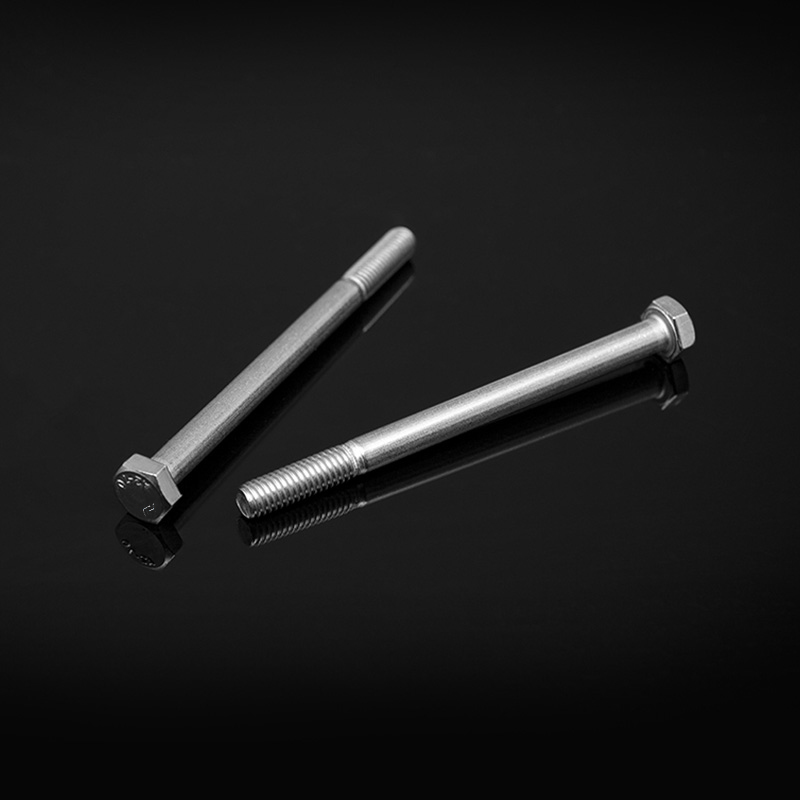
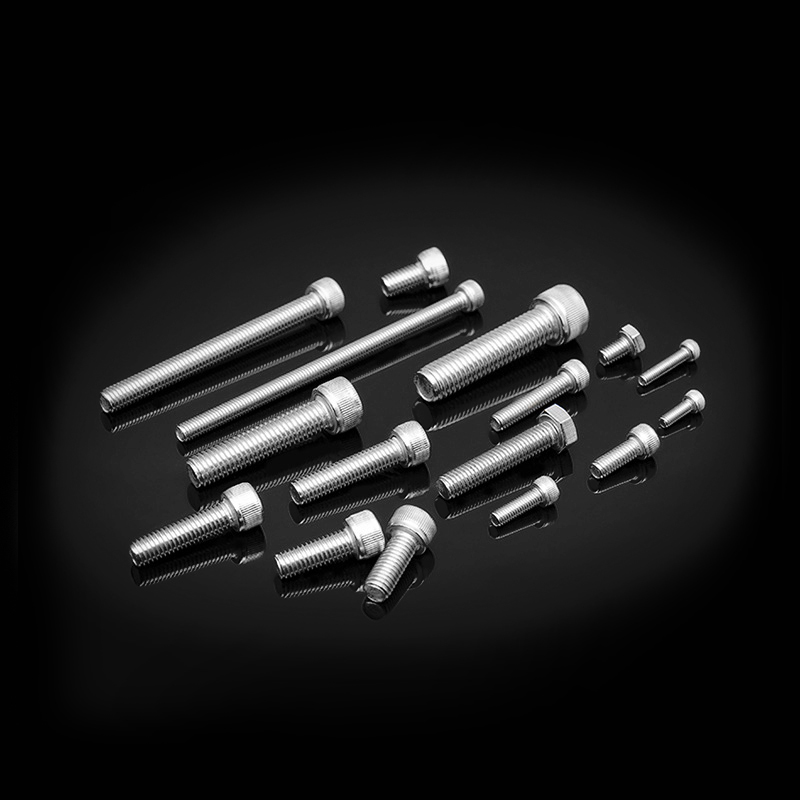
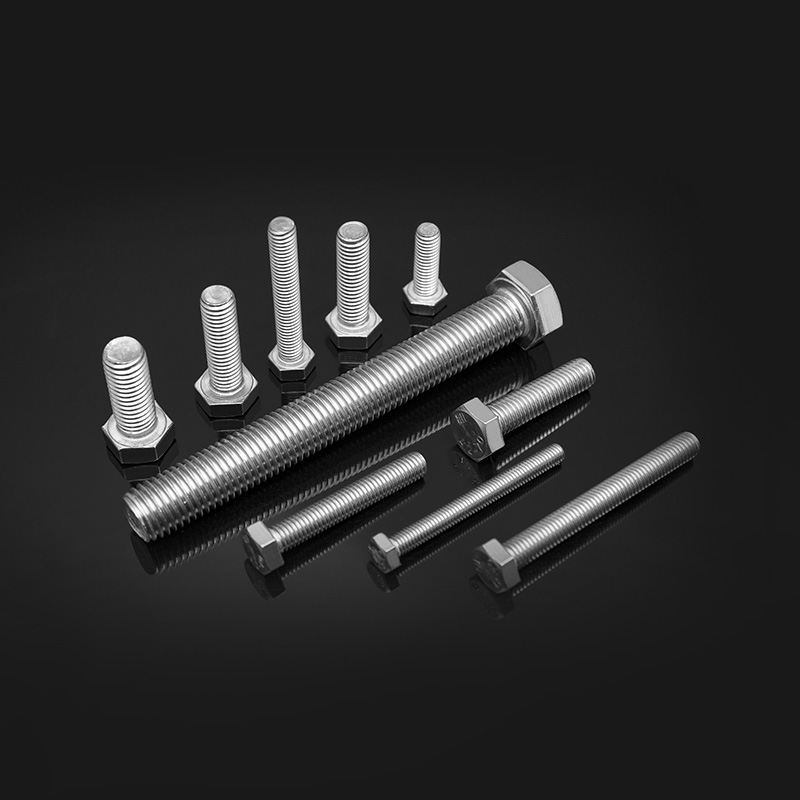 Stainless Steel Hexagon Head Bolts SuppliersThe head of the hexagonal bolt is a regular hexagon, which is the common type of bolt and suitable for connection occasions. It is characterized by a high tightening f...View Product →
Once the material family is fixed, the property class sets the minimum mechanical performance. The following table shows the classes most often ordered and the base grade each is produced from.
| Property class | Base grade | Minimum tensile strength | Practical note |
|---|---|---|---|
| A2-50 | 304 | 500 MPa | Softer and more ductile, forgiving on threads |
| A2-70 | 304 | 700 MPa | The everyday stainless bolt class worldwide |
| A4-70 | 316 / 316L | 700 MPa | Adds molybdenum for chloride resistance |
| A4-80 | 316 | 800 MPa | Highest class normally offered in austenitic bolts |
| C1-70 | 410 | 700 MPa | Hardenable and magnetic, limited corrosion resistance |
| C1-110 | 410 | 1,100 MPa | High strength for dry, protected joints only |
Two practical points matter here. First, the class must be marked on the head, not only printed on a box, because that marking is what an inspector will look for on site. Second, higher classes are more brittle in the thread and more prone to galling during tightening, so a lubricant or a controlled tightening sequence is often worth specifying alongside the class.
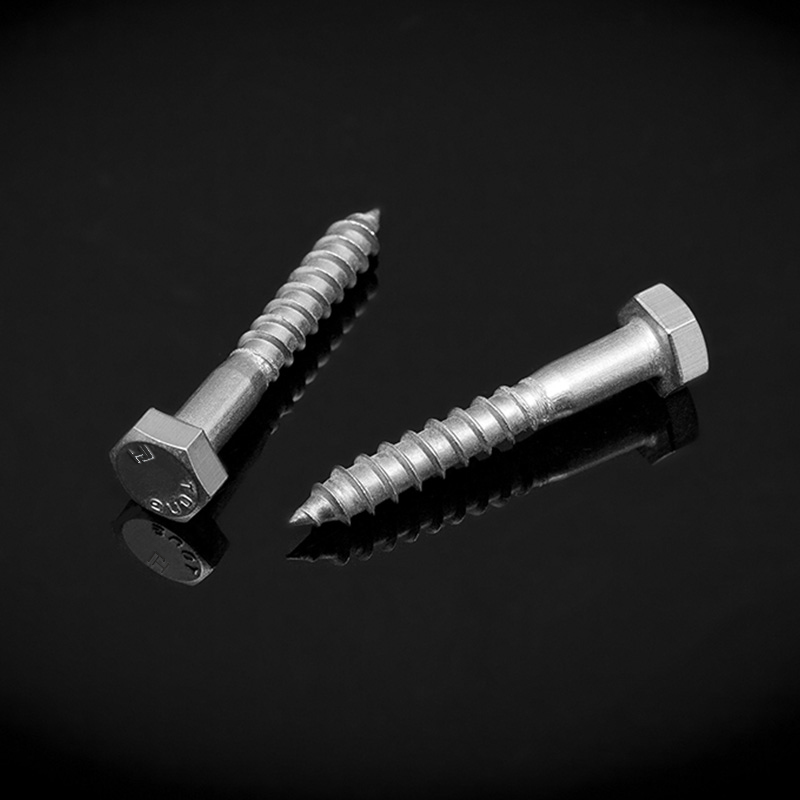
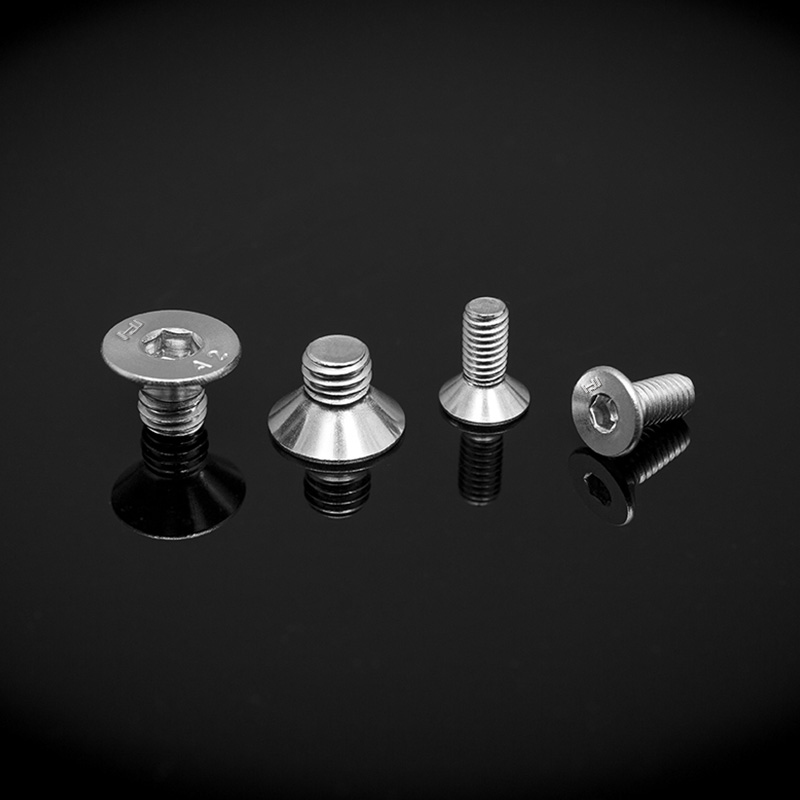
 DIN 912 Stainless Steel Hexagon Socket Head Cap ScrewsInternal hexagonal headView Product →
Not every joint can be solved with 304 or 316. When strength or temperature dominates the design brief, other families come into play.
Grade 410 is hardenable by heat treatment, which allows tensile strengths well above anything achievable with cold worked austenitic steel. It is magnetic, economical and perfectly adequate in dry, protected locations such as pump internals, valve assemblies and certain automotive fixings. It should not be trusted outdoors near salt or in chemical atmospheres, where its lower chromium content offers little protection.
Grade 17-4PH combines tensile strengths around 1,100 MPa with corrosion resistance approaching the 300 series, making it a common answer for aerospace, marine and high-load structural fasteners. It is machined in the solution-treated condition and then aged, so dimensional stability and process control at the factory matter enormously.
A286 is chosen for joints that stay hot, such as turbine and exhaust assemblies, where it retains useful strength and oxidation resistance at temperatures that would soften conventional stainless steel.
Experience across industries gives a fairly reliable shortlist for each service environment.
It is also worth remembering that "stainless" is a family habit rather than a guarantee. A bolt is only as good as the match between its grade and the environment it will actually face, which is a conversation worth having before the purchase order, not after the first inspection.
A short checklist removes most of the risk from a stainless bolt order.
Suppliers who work with several grades daily can usually flag a mismatch in minutes. If you would like a second opinion on a specification, our guide to how to choose the right stainless steel bolts covers the decision from the design side, and our full stainless steel bolts range shows how these grades translate into finished parts.
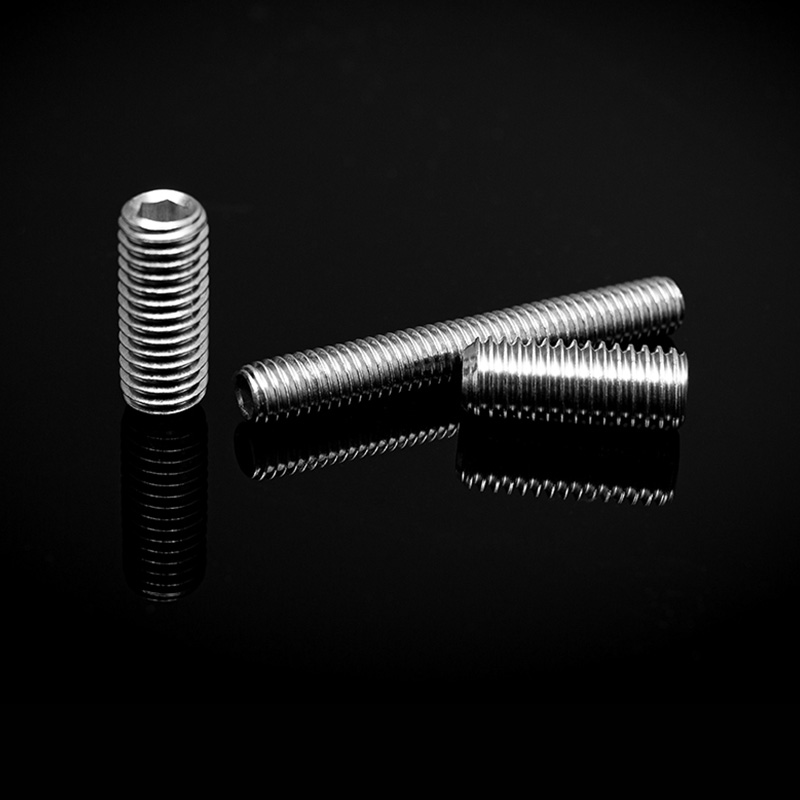
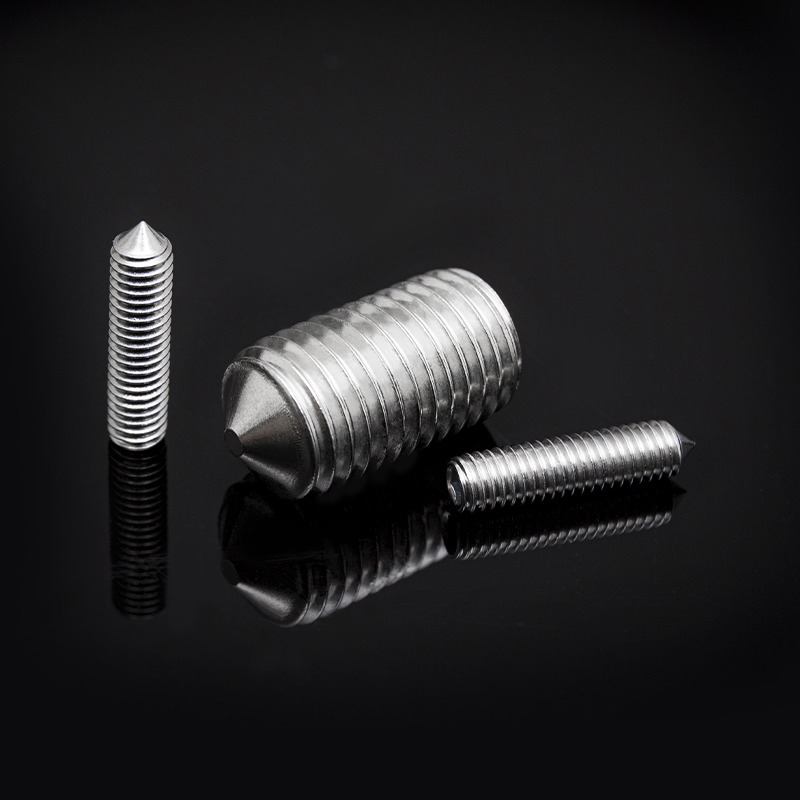
Studs and threaded rods follow the same grade logic as bolts, with the extra consideration that rolled threads and cut threads behave slightly differently under load.
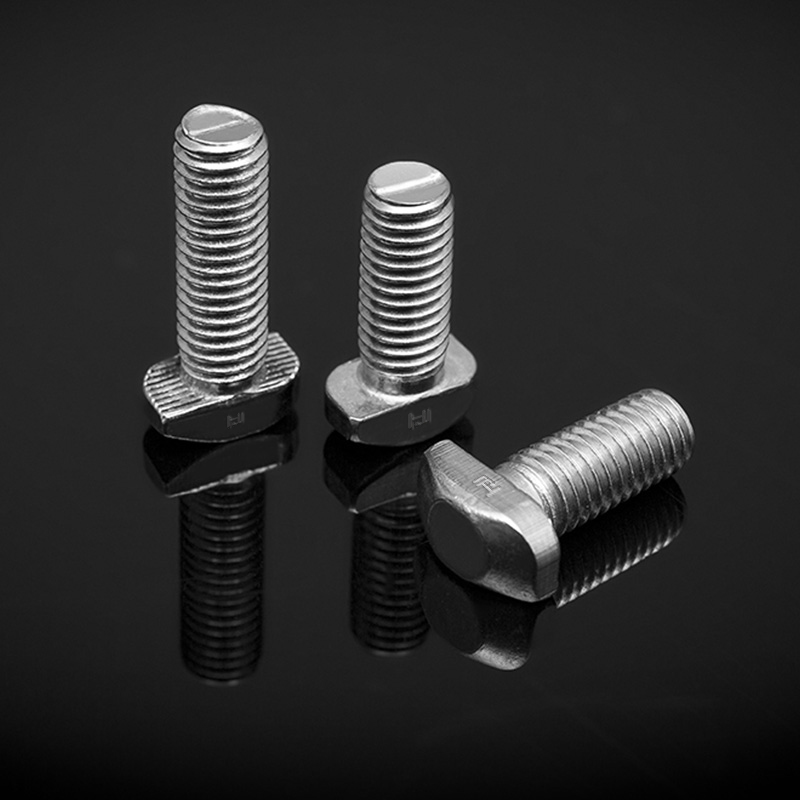
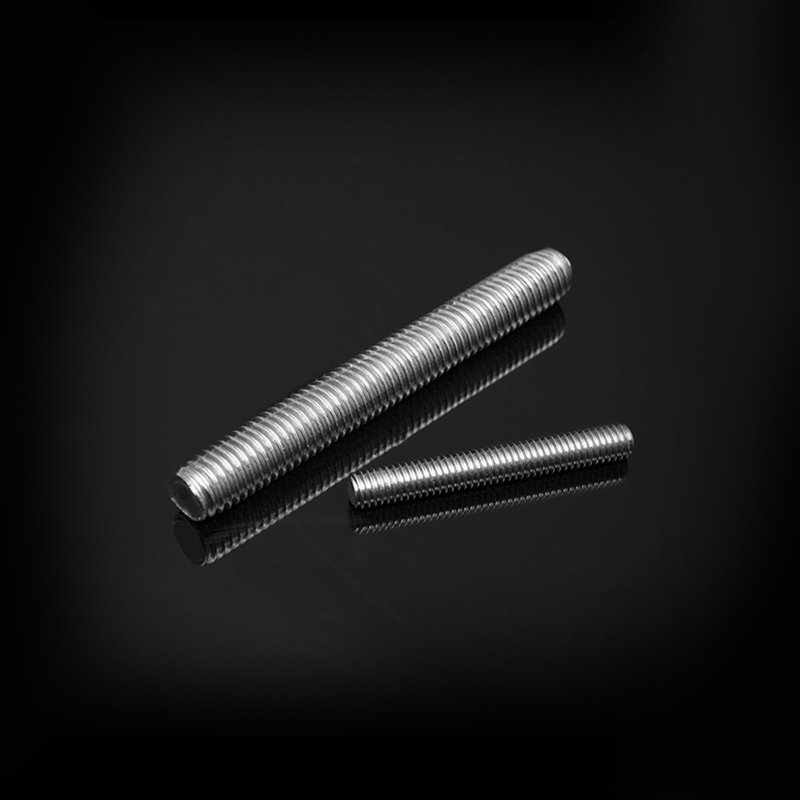 DIN976 Stainless Steel Stud BoltsAppearance CharacteristicsView Product →
Choosing a grade is easier when the factory on the other end of the order understands why you chose it. Our production covers GB, JIS, DIN, ANSI and ISO standards in 201, 304 and 316L material, with an in-house technical centre in Jiangsu and a test laboratory that verifies chemistry, hardness and tensile performance before shipment. Certifications under ISO 9001, ISO 14001 and ISO 18001 underpin the process, and twenty years of supplying rail, nuclear, petrochemical, new energy and aerospace customers have taught us which grade belongs in which joint.
If you are comparing grades for an upcoming project, send us the drawing, the service environment and the expected load. We will tell you honestly which grade fits, which is overkill, and which one would keep you awake at night.

ThreadTolerance: 6gstandardDIN 13-15、DIN 13-12Rod diameter dd≤M20:A2-70、A4-70;M20<d≤M39:A2-50、A4-50;d≥M39:C3、C4;d<M39
See Details
Copyright © Jiangsu Huajie Stainless Steel Products Co., Ltd. All Rights Reserved.