eng
 English
 русский
 Deutsch
 عربى
+86 189 6101 2359
+86 133 6521 5663
+86 138 5268 6835
If you have ever sorted through a drawer of fasteners looking for a small metal pin with two legs, you have probably met the split pin. You may also have heard it called a cotter pin, a cotter key, or a split cotter. In many workshops those names describe the same wire-formed part. In other drawings, a cotter pin is a solid tapered pin with a completely different job. The confusion is not just vocabulary. It changes what you order, how you install the part, and whether the joint stays tight.
This guide uses the wording common in catalogs and drawings. Split pin means the wire-formed, two-leg retainer. Cotter pin means the same part in US catalog usage. True cotter means the older solid tapered pin found in traditional linkages.
Content
In modern hardware and MRO catalogs, split pin and cotter pin usually describe the same fastener: a half-round wire bent into a U, with a head and two legs. The head stops it falling through, the legs pass through a cross-hole, and the ends are bent or spread to lock the joint.
Regional usage explains most of the overlap. "Split pin" is common in the UK and much of the Commonwealth; "cotter pin" is the usual US catalog term; "cotter key" is informal shorthand. The trap is that traditional engineering also calls a solid tapered pin a cotter pin. If the drawing shows a tapered seat rather than a cross-hole, you are looking at a true cotter.
A split pin is a retainer, not a load-bearing pivot. It keeps another part from sliding out or turning loose. A familiar example is a castellated nut on a shaft: the pin passes through the nut slots and shaft hole, then the legs are bent to lock the nut. Clevis pins and simple pivot joints use the same principle.
Split pins are specified by wire diameter and length, with standards such as DIN 94 or ISO 1234 keeping dimensions consistent. They are made in zinc-plated steel, stainless steel, brass, and other materials. In stainless assemblies, 304 and 316L are common for corrosion resistance, but the pin still has to fit the hole and match the environment.
When a US supplier lists a cotter pin, it is almost always the wire-formed split pin described above. A mechanic may ask for a cotter pin while a British-trained engineer asks for a split pin, and both expect the same bin.
A true cotter pin is different: a solid, tapered pin, sometimes split at one end, that seats in a tapered hole and is held by friction, a wedge, or a nut. It appears in vintage bicycle cranks, older agricultural equipment, and traditional linkages. It is not a wire retainer and should not be forced into a cross-hole.
| Term | What it usually means | Typical shape | Common use |
|---|---|---|---|
| Split pin | Wire-formed two-leg retaining pin | U-shaped half-round wire with a head | Castle nuts, clevis pins, shafts |
| Cotter pin (US catalog) | Same part as a split pin | U-shaped wire | The same retaining jobs |
| Cotter pin (traditional) | Solid tapered pin | Tapered solid pin, often split or wedged | Linkages, bicycle cranks, older machinery |
| Cotter key | Informal term, usually a split pin | U-shaped wire | Shop-floor shorthand |
Even when the names overlap, the selection checks differ. A split pin needs a cross-hole and enough leg length to bend. A true cotter needs a tapered seat, the correct wedge or nut, and often a preload adjustment.
Start with function, not the name. If the pin only stops a castellated nut from turning, a split pin is usually right. If it forms a pivot, use a clevis pin with a split pin. If the drawing shows a tapered seat, treat it as a true cotter. If vibration is the real issue, a split pin is only one part of the answer; lock nuts under vibration and proper washers also matter.
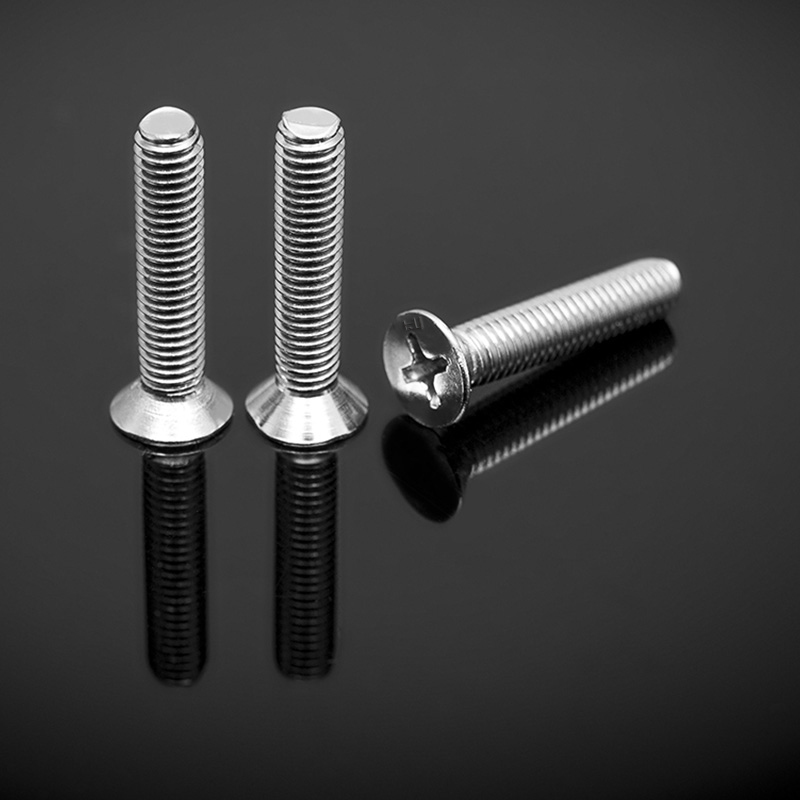
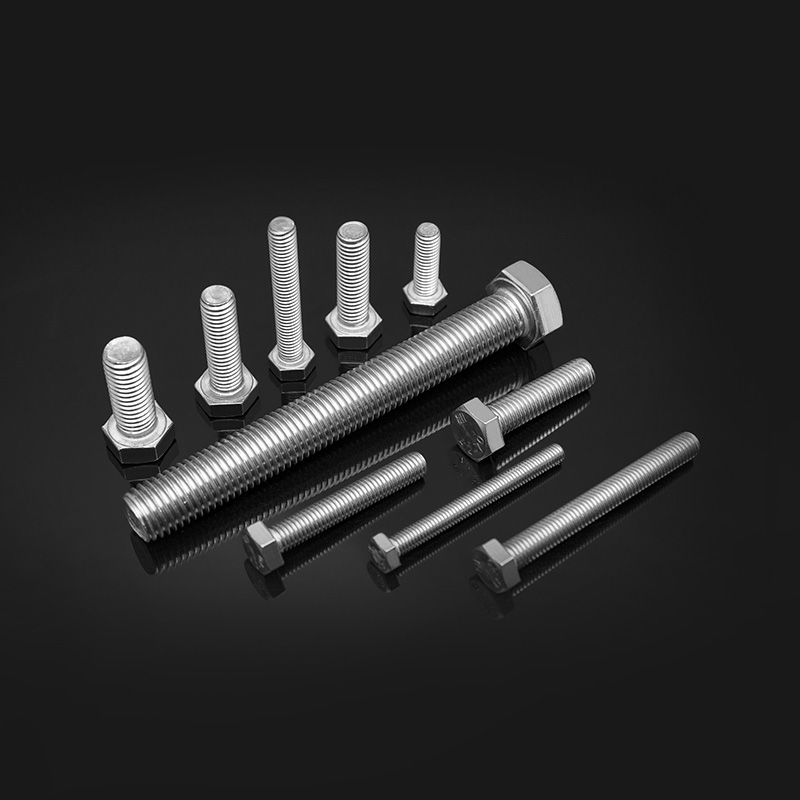 Stainless Steel Hexagon Head BoltsBrowse stainless steel hexagon head bolts in DIN933, DIN931, DIN571 and ANSI B18.2.1 forms, with 201, 304 and 316L options for mechanically loaded connections.View Product →
Split pins appear on trailer hitches, clevis pins, castellated nuts, propeller shafts, lawn equipment, marine rigging, and industrial linkages. In food processing, coastal equipment, and chemical plants, stainless pins are chosen for corrosion resistance, but the surrounding bolt and nut should be specified with equal care.
True cotter pins turn up in restoration work and older machinery. Photograph the wedge, nut, and pin orientation before cleaning; a missing wedge can be hard to identify later. Flat washers often help distribute load and protect joint faces.
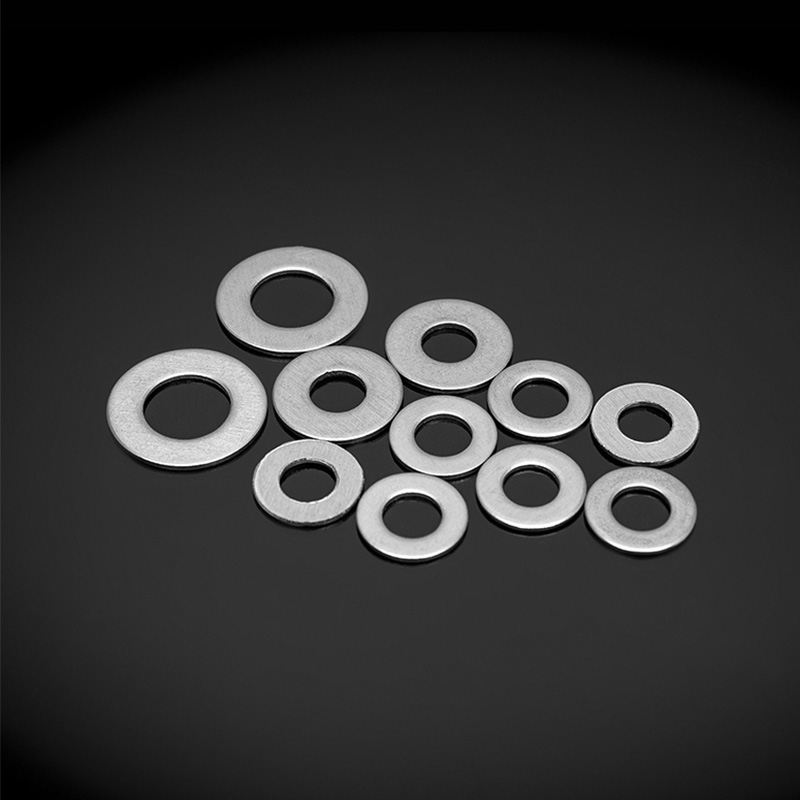 DIN 125 and DIN9021 Stainless Steel Flat WashersChoose DIN 125 or DIN9021 stainless flat washers in 201, 304 or 316L to distribute load and reduce wear in pinned and bolted joints.View Product →
Stainless steel is not automatically right for every pin. It excels in wet, coastal, and washdown environments, but stainless-on-stainless parts can gall if assembled dry. Use a suitable lubricant where allowed, avoid over-tightening small pins, and check that pin, bolt, nut, and washer are compatible.
Our own shop has been making stainless fasteners since 2003, and we still see the same naming mix-up on customer drawings. Identify the form first, then the material, then the standard. In a stainless bolted joint, the hex nut matters as much as the pin that locks it.
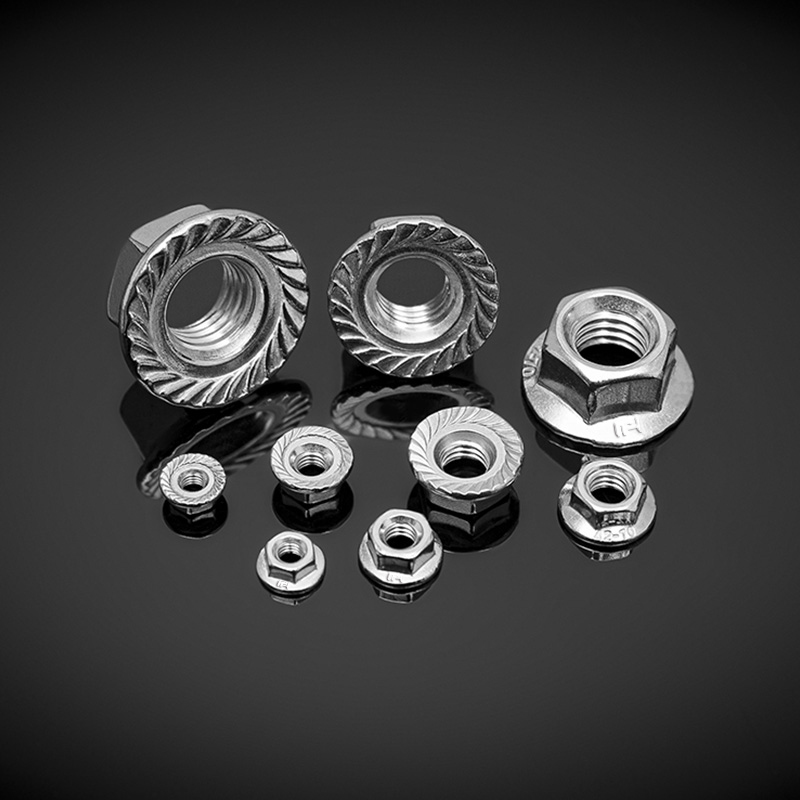
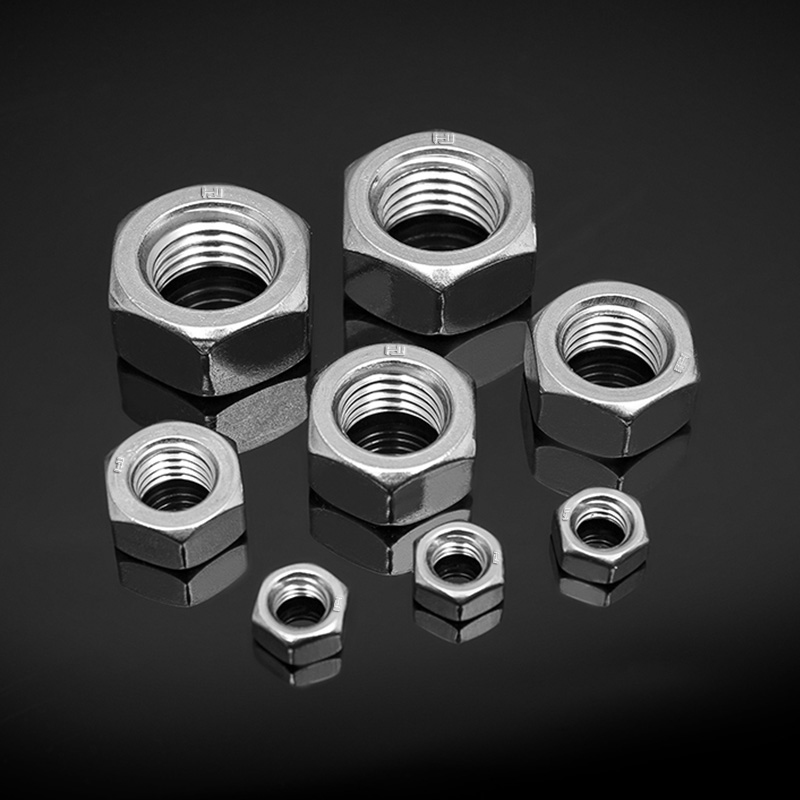 DIN934/GB6170 Stainless Steel Hexagonal NutsPair split pins with DIN934/GB6170 stainless hex nuts in 201, 304 or 316L; 316L suits corrosive or food-grade conditions.View Product →
Before the joint leaves the bench, check the pin head, leg bend, and hole alignment. Never drill or enlarge a hole just to make a pin fit. During maintenance, replace split pins as a matter of course and inspect true cotters for taper wear, cracks, and wedge damage.
Split pin vs cotter pin is mostly a question of form and region. In everyday catalogs, the names often point to the same wire-formed retainer. In traditional engineering, a cotter pin can mean a solid tapered pin with a different installation. Ask what shape the drawing shows, measure the hole, match the material, and install the pin once.
ThreadTolerance: 6gstandardDIN 13-15、DIN 13-12Rod diameter dd≤M20:A2-70、A4-70;M20<d≤M39:A2-50、A4-50;d≥M39:C3、C4;d<M39
See Details
Copyright © Jiangsu Huajie Stainless Steel Products Co., Ltd. All Rights Reserved.