eng
eng English
 русский
 Deutsch
 عربى
عربى
+86 189 6101 2359
+86 133 6521 5663
+86 138 5268 6835
Content
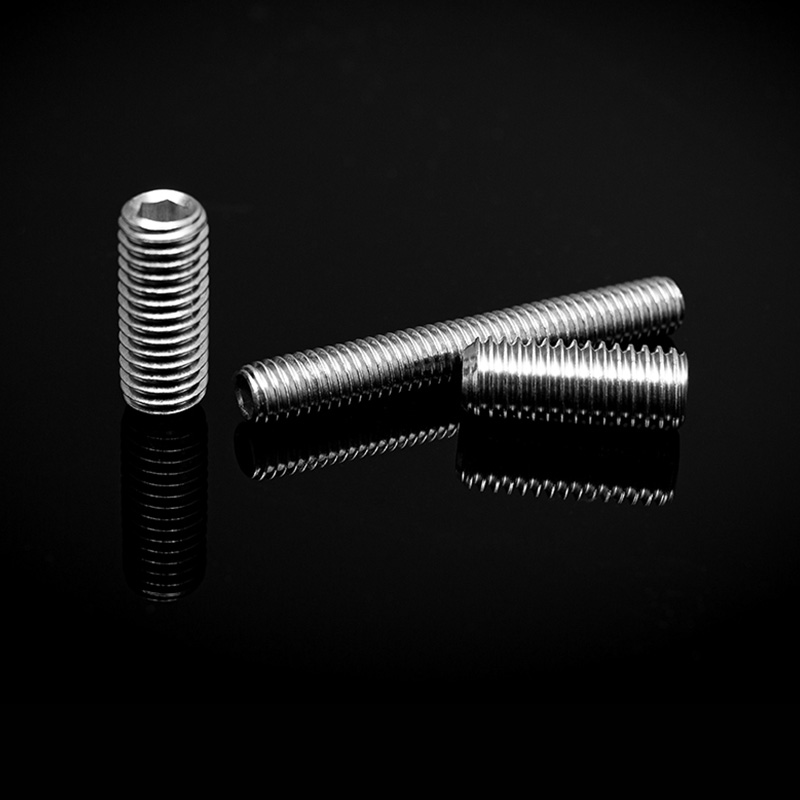
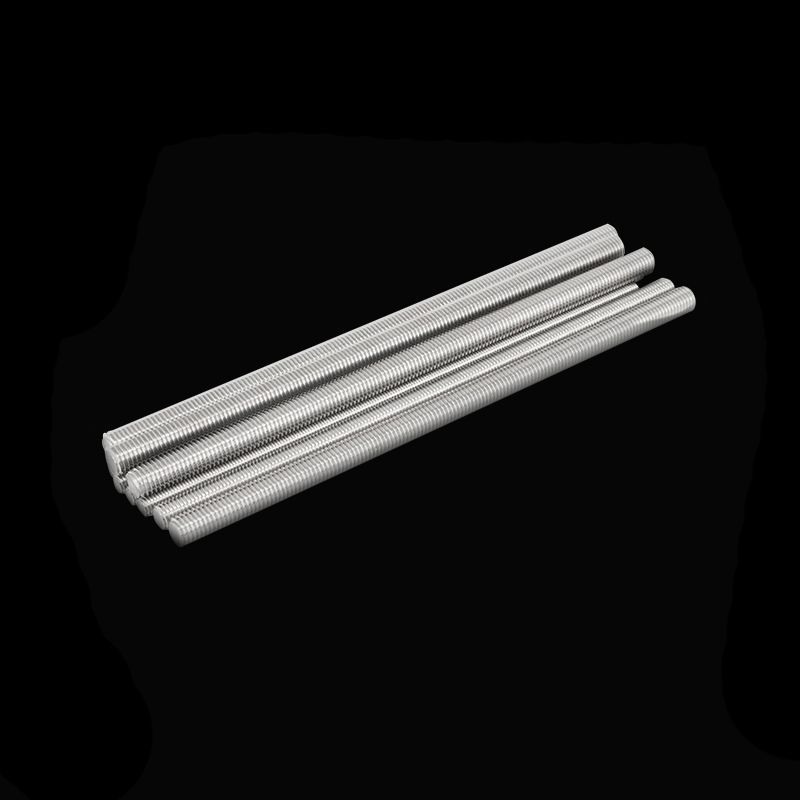
Stainless steel threaded rods and studs are long, cylindrical fasteners featuring external threads running along their entire length, distinguishing them from bolts that typically have a defined head and only partially threaded shank. This full-length threading is what makes them so versatile, as it allows nuts to be positioned and adjusted at virtually any point along the rod, creating flexible connection lengths that can be modified even after initial installation. Their simple, headless design also makes them easier to insert through pre-drilled holes in tight assembly spaces where maneuvering a bolt head would be difficult.
The stainless steel composition adds another layer of practical value, offering resistance to rust and corrosion that standard carbon steel threaded rods cannot match. This makes them particularly suitable for outdoor construction applications, industrial environments with moisture exposure, and structures requiring long-term durability without frequent maintenance or replacement.
Threaded rods serve as adjustable connectors across a wide range of structural and mechanical applications, with their usefulness stemming largely from the ability to fine-tune connection length and tightness through nut positioning.
In scaffolding systems, threaded rods paired with nuts allow workers to join structural components at variable distances, accommodating uneven ground conditions or specific height requirements. The ability to adjust tightness on-site without needing custom-length fasteners for every connection point significantly speeds up assembly and disassembly during construction projects.
Industrial equipment guardrails and similar frame structures that require frequent disassembly and reinstallation benefit from threaded rod connections. Unlike welded joints, threaded rod assemblies can be taken apart for equipment maintenance or reconfiguration and then reassembled without specialized tools or damage to the connection points.
Threaded rods are frequently used to suspend ductwork, piping, or lighting fixtures from overhead structures, where adjustable nut positioning allows installers to level components precisely during installation, a task that would be far more difficult with fixed-length hardware.
Before threading begins, the blank material must be shaped to the correct diameter and straightness, a process that significantly influences the final quality and consistency of the finished threaded rod.
Cold drawing pulls the raw stainless steel blank through a die to reduce its diameter while improving surface finish and dimensional consistency. This process is valued for its high production efficiency and relatively low cost, making it a practical choice for producing large volumes of threaded rod blanks with reliable uniformity.
Rolling processes shape the blank by passing it between rotating dies or rollers, achieving the required diameter while maintaining good surface quality. Like cold drawing, rolling supports high-volume production runs without sacrificing consistency across individual rods.
Longer threaded rods are more prone to slight bends or curvature introduced during the shaping process. A dedicated straightening step corrects these deviations, ensuring the finished rod meets straightness tolerances required for proper thread engagement and structural alignment once installed.
The method used to form threads on a stainless steel rod directly affects surface quality, dimensional accuracy, and production speed, making thread processing selection an important consideration for manufacturers and buyers alike.
Thread rolling forms threads by pressing a rolling wheel against the blank surface, displacing material to create the thread profile without cutting away metal. This method produces threads with good surface quality and high precision while supporting fast production speeds, making it the preferred approach for standard-specification threaded rods manufactured in large quantities.
For threaded rods requiring non-standard specifications or exceptionally tight tolerances, thread turning offers greater precision by cutting the thread profile directly into the blank surface. While this method delivers superior accuracy for specialized applications, its production efficiency is notably lower than thread rolling, making it more suitable for smaller batch runs or custom orders.
The table below summarizes the key differences between the primary processing methods used in threaded rod manufacturing.
| Process | Production Efficiency | Best Suited For |
| Cold drawing | High | Standard diameter blanks |
| Rolling (shape forming) | High | Mass production blanks |
| Thread rolling | High | Standard threaded rods and studs |
| Thread turning | Lower | Custom or high-precision specifications |
Buyers selecting stainless steel threaded rods and studs for construction or industrial use should weigh several practical factors beyond basic diameter and length specifications.
Consistent performance in field applications depends heavily on manufacturing quality control throughout the shaping and threading stages. Dimensional checks after cold drawing or rolling confirm that blanks meet diameter and straightness specifications before thread processing begins, preventing downstream issues that could affect thread engagement. Post-threading inspection, including thread pitch verification and surface quality checks, further ensures that finished rods and studs will perform reliably when paired with corresponding nuts across scaffolding, guardrail, and suspension applications where adjustable, dependable connections are essential.
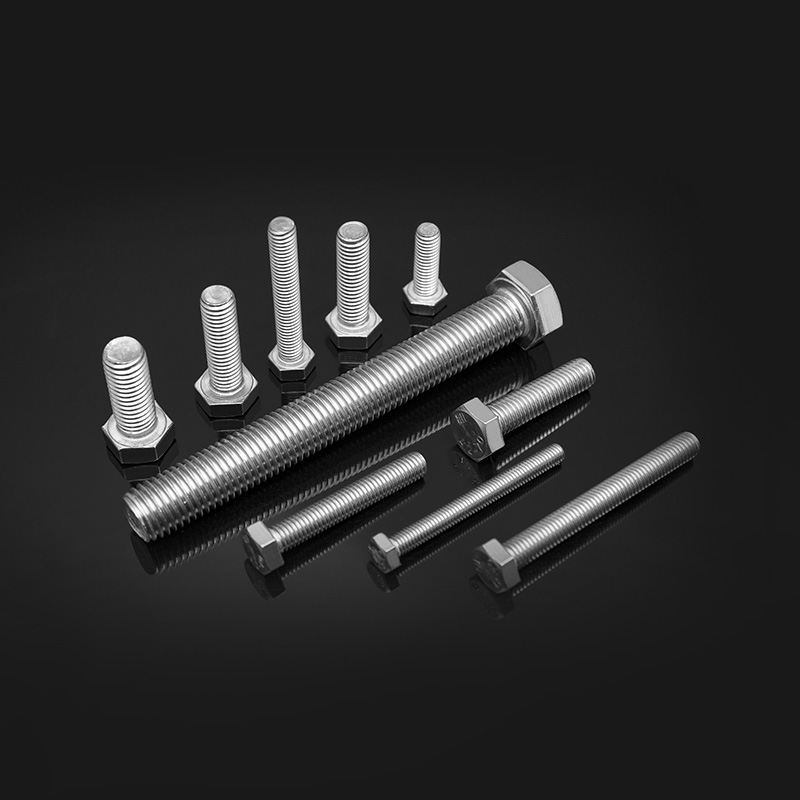
ThreadTolerance: 6gstandardDIN 13-15、DIN 13-12Rod diameter dd≤M20:A2-70、A4-70;M20<d≤M39:A2-50、A4-50;d≥M39:C3、C4;d<M39
See Details
Copyright © Jiangsu Huajie Stainless Steel Products Co., Ltd. All Rights Reserved.