eng
eng English
 русский
 Deutsch
 عربى
عربى
+86 189 6101 2359
+86 133 6521 5663
+86 138 5268 6835
Content
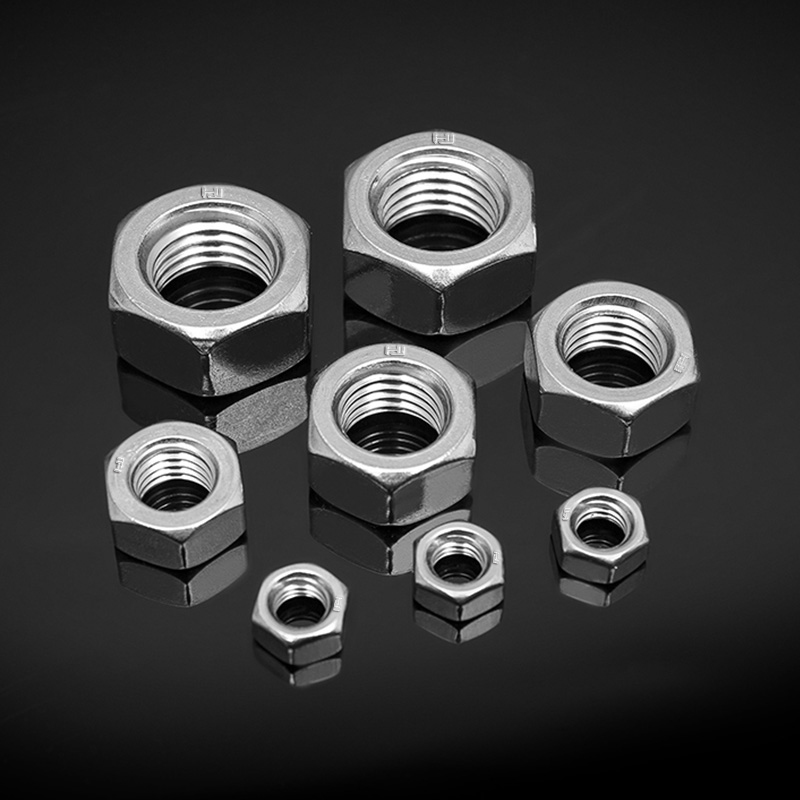
Stainless steel nuts are a common choice in construction, automotive, and machinery applications due to their excellent resistance to rust and corrosion. Unlike regular steel, stainless steel does not easily oxidize when exposed to moisture or harsh environmental conditions. Understanding the factors that contribute to this resistance is essential for engineers, mechanics, and DIY enthusiasts looking to ensure long-lasting performance of their hardware.
The unique ability of stainless steel nuts to resist rust stems primarily from their chemical composition. Stainless steel is an alloy primarily made of iron, chromium, and other metals such as nickel and molybdenum. Each component plays a critical role in corrosion resistance and overall durability.
Chromium is the key element that prevents stainless steel nuts from rusting. When the chromium content exceeds 10.5%, it reacts with oxygen in the air to form a thin, invisible layer of chromium oxide on the surface. This protective layer, known as a passivation layer, prevents further oxidation and corrosion.
Nickel enhances the corrosion resistance of stainless steel in acidic environments, while molybdenum improves resistance to pitting corrosion, particularly in chloride-rich environments like seawater. These additional metals ensure that stainless steel nuts maintain structural integrity even under harsh conditions.
Not all stainless steel nuts are identical. The grade of stainless steel affects its resistance to rust and its mechanical strength. Choosing the right type for a specific application ensures maximum durability and longevity.
A2 stainless steel, also known as 304 stainless steel, is the most commonly used grade. It contains approximately 18% chromium and 8% nickel, providing excellent corrosion resistance in most environments, including outdoor and indoor applications. A2 nuts are ideal for general-purpose use but may not withstand highly acidic or saline conditions for extended periods.
A4 stainless steel, or 316 stainless steel, includes additional molybdenum, making it more resistant to pitting and crevice corrosion. These nuts are suitable for marine environments, chemical processing, and other applications where exposure to chlorides or corrosive chemicals is frequent.
Even though stainless steel nuts are highly resistant to rust, several factors can influence their performance. Understanding these factors can help prevent unexpected corrosion and prolong the life of hardware.
Exposure to harsh environments, such as salty coastal air, industrial pollutants, and acidic rain, can accelerate corrosion over time. While A4 stainless steel provides superior resistance, protective coatings or regular maintenance may still be necessary for long-term durability.
Scratches or surface damage can compromise the passivation layer on stainless steel nuts, exposing the underlying metal to oxidation. Ensuring careful handling and installation reduces the risk of localized rust formation.
Galvanic corrosion can occur when stainless steel nuts are in direct contact with dissimilar metals, such as carbon steel or aluminum, in the presence of an electrolyte. Using washers or coatings to separate different metals helps mitigate this issue.
The rust-resistant properties of stainless steel nuts make them ideal for a wide range of applications, from everyday construction projects to highly specialized industrial uses.
In buildings and bridges, stainless steel nuts are used in load-bearing joints and outdoor structures where exposure to weather and moisture is inevitable. Their resistance to rust reduces maintenance costs and increases safety by preventing structural failures.
Automotive manufacturers and machinery engineers prefer stainless steel nuts for engine components, chassis assemblies, and exposed fasteners. The corrosion resistance ensures consistent performance and prevents contamination that can affect mechanical efficiency.
Saltwater exposure is particularly aggressive toward metals, making stainless steel nuts essential in marine applications. Chemical plants also rely on stainless steel hardware to resist corrosion from acids, alkalis, and other reactive substances.
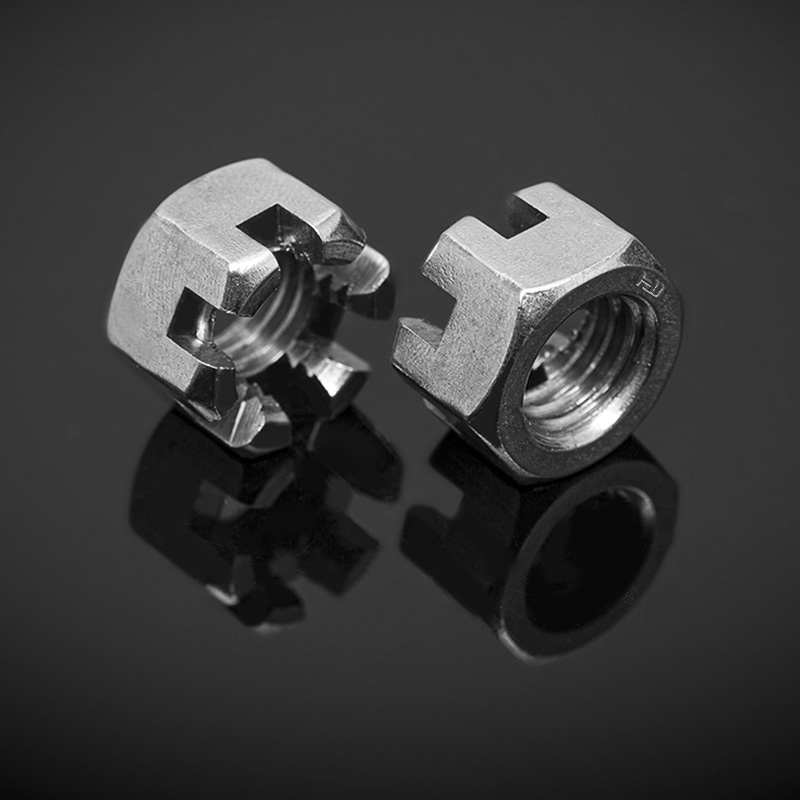
Although stainless steel nuts are highly resistant to rust, proper maintenance ensures they remain functional for decades. Following a few practical steps can prevent unnecessary wear and corrosion.
To understand the advantage of stainless steel nuts, it’s helpful to compare them with other commonly used fastener materials.
| Material | Rust Resistance | Strength | Cost |
| Carbon Steel | Low, prone to rust | High | Low |
| Brass | Moderate | Moderate | Medium |
| Aluminum | Good | Moderate | Medium |
| Stainless Steel | Excellent | High | High |
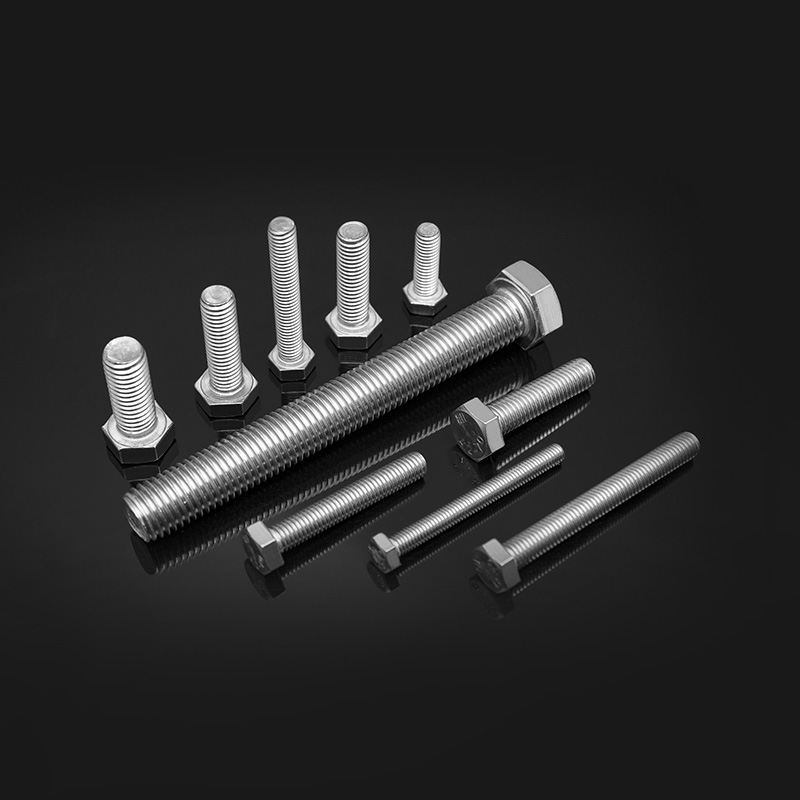
ThreadTolerance: 6gstandardDIN 13-15、DIN 13-12Rod diameter dd≤M20:A2-70、A4-70;M20<d≤M39:A2-50、A4-50;d≥M39:C3、C4;d<M39
See Details
Copyright © Jiangsu Huajie Stainless Steel Products Co., Ltd. All Rights Reserved.