eng
eng English
 русский
 Deutsch
 عربى
عربى
+86 189 6101 2359
+86 133 6521 5663
+86 138 5268 6835
Content
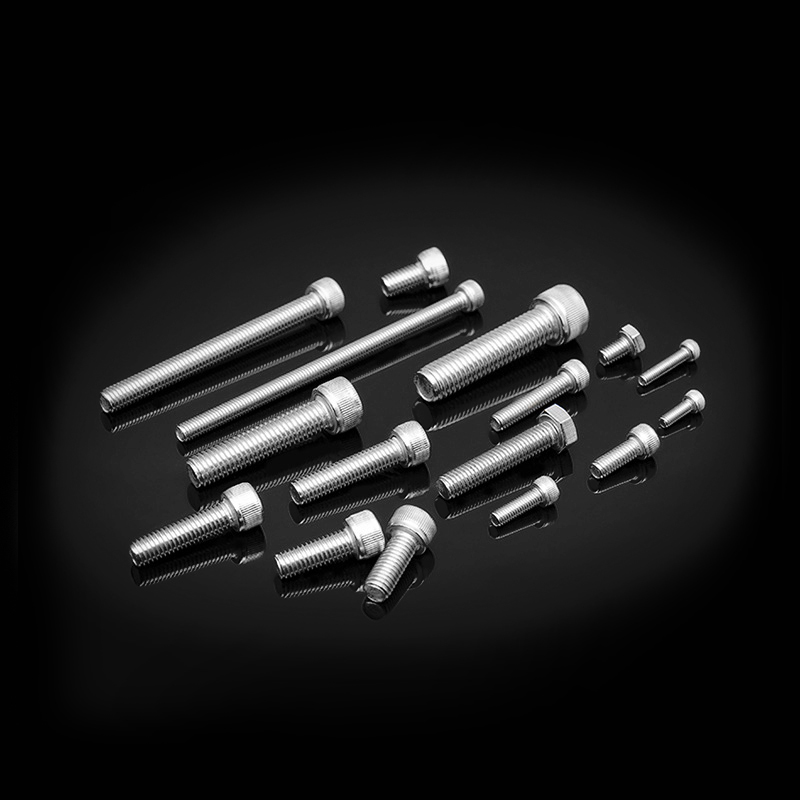
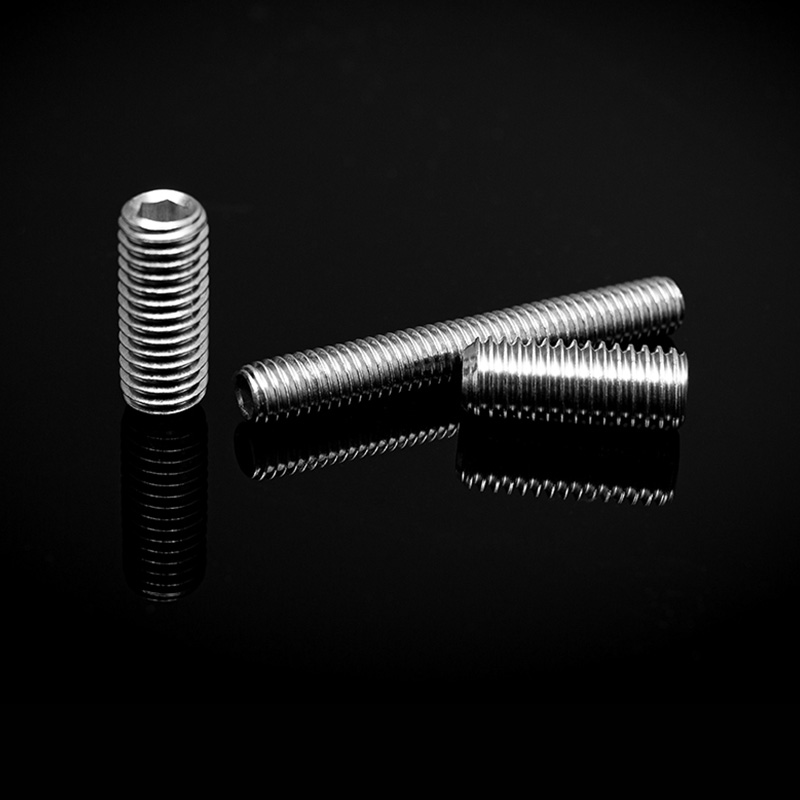
When it comes to fastening solutions that combine longevity, strength, and resistance to environmental stress, stainless steel studs consistently outperform alternatives made from carbon steel, zinc-plated hardware, or plastic anchors. A stud — a headless threaded rod with threads on one or both ends — may appear simple, but the material from which it is made determines everything about its performance in service. Stainless steel, with its chromium oxide passive layer, delivers corrosion resistance that carbon steel cannot replicate without continuous coating maintenance. This makes stainless steel studs a preferred choice across dozens of demanding industries, from marine engineering to food processing, from construction to aerospace.
This article examines the practical uses and measurable advantages of stainless steel studs in depth, covering specific applications, grade selection, mechanical properties, and the real-world reasons engineers and contractors specify them over cheaper alternatives.
The value of stainless steel studs is not captured by a single property — it is the combination of several characteristics that makes them uniquely capable in hostile environments and precision applications alike.
The defining advantage of stainless steel is its resistance to rust and oxidation. This is achieved through a minimum chromium content of 10.5%, which reacts with oxygen to form a thin, self-repairing chromium oxide layer on the surface. Even when scratched or abraded, this passive layer reforms spontaneously, maintaining protection without any coating or plating. For studs used in outdoor structures, coastal environments, chemical plants, or submerged applications, this self-healing corrosion resistance is irreplaceable. Grades like 316 and 316L add molybdenum to the alloy, which further enhances resistance to chloride pitting — a critical benefit in marine and saline industrial environments.
Stainless steel studs are available in multiple strength grades that satisfy demanding structural and mechanical requirements. Austenitic grades such as A2 (304) and A4 (316) can be supplied in property classes up to 80 (equivalent to 800 MPa tensile strength), while duplex stainless steels offer even higher strength — exceeding 1000 MPa in some grades — without sacrificing corrosion resistance. This means stainless steel studs can carry significant clamping forces in bolted joints, anchoring systems, and pressure-retaining assemblies without permanent deformation or fastener failure.
Many stainless steel grades retain useful mechanical properties across a wide temperature range. Austenitic stainless steels remain ductile and tough at cryogenic temperatures where carbon steels become brittle, making them appropriate for liquefied gas applications. At the high end, heat-resistant grades such as 310S and 321 maintain structural integrity at temperatures exceeding 900°C, enabling their use in exhaust systems, furnaces, and boiler assemblies. This thermal versatility is a major reason stainless steel studs are specified in process industries where temperature swings are routine.
The smooth, non-porous surface of stainless steel does not harbor bacteria or absorb contaminants, which is why it is the material of choice in sanitary environments. Stainless steel studs used in food processing equipment, pharmaceutical machinery, and medical device assemblies meet strict hygiene standards such as those set by FDA, 3-A Sanitary Standards, and EHEDG. Unlike zinc-plated or cadmium-coated fasteners, stainless steel studs do not release toxic ions that could contaminate products or cleaning solutions.
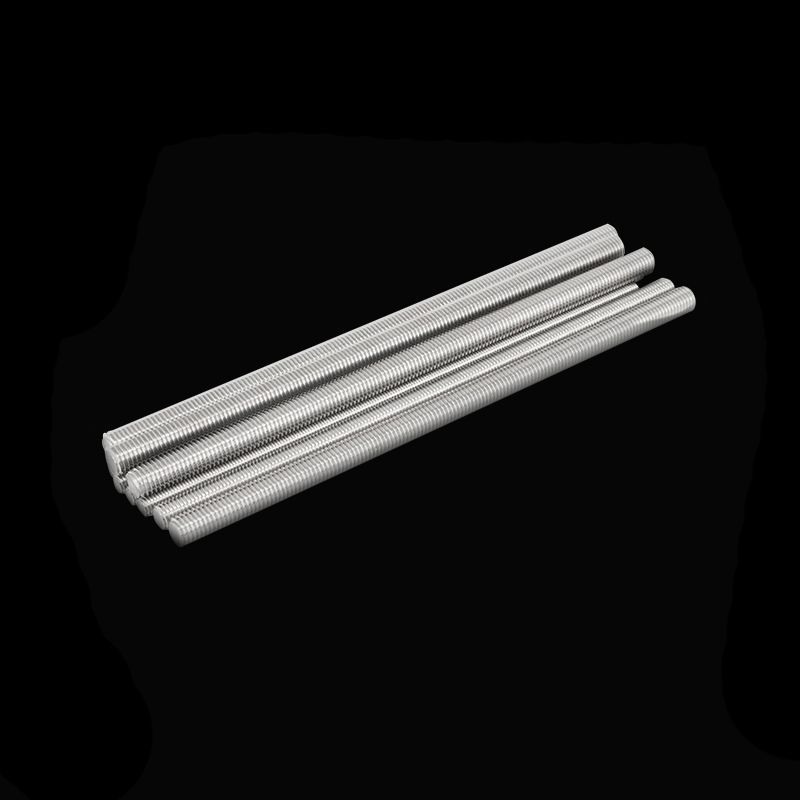
In construction, stainless steel studs are used extensively in cladding systems, curtain wall assemblies, balustrade fixings, and concrete anchoring. Facade cladding panels — whether stone, glass, or composite metal — are typically suspended from structural brackets using stainless steel studs and nuts. The joints must remain serviceable for the building's life, often 50 years or more, without visible rust streaking on the facade or hidden corrosion that could compromise the structural connection. Stainless steel A4-grade studs, specified to BS EN ISO 3506, are standard in these applications.
In reinforced concrete construction, stainless steel anchor studs are cast in or post-installed to provide attachment points for mechanical, electrical, and plumbing services, as well as structural steel connections. In aggressive exposure environments — coastal buildings, swimming pool structures, tunnels — carbon steel anchors corrode rapidly, expanding as they rust and eventually cracking the surrounding concrete. Stainless steel studs eliminate this failure mode entirely, making them the only acceptable choice in chloride-laden environments according to many national structural design codes.
Welding studs — a specific type of stainless steel stud used in composite construction — are drawn-arc welded directly onto steel beams to create shear connectors that bond concrete slabs to steel frames. In bridges and multi-story buildings, these stud connectors transfer horizontal shear forces between the concrete deck and the steel beam, enabling composite action that greatly increases structural efficiency.
The marine environment is one of the most aggressive settings any fastener can face: constant exposure to saltwater, humidity, biofouling, and galvanic corrosion risks from dissimilar metals in contact. Stainless steel studs, particularly in grade 316 or super-duplex 2507, are widely used on vessel hulls, deck fittings, propeller shafts, keel bolts, and engine mounts. Their resistance to seawater corrosion ensures that critical connections remain intact and removal remains feasible after years of submersion.
On offshore oil and gas platforms, stainless steel studs are used to secure pipework flanges, valve bodies, and structural grating. Flange stud bolts in process piping systems must seal effectively against high-pressure hydrocarbons for decades. Duplex and super-duplex stainless steel stud bolts offer the combination of strength, corrosion resistance, and stress corrosion cracking resistance required by NORSOK and API standards governing offshore fasteners.
In the automotive sector, stainless steel studs appear throughout exhaust systems, turbocharger assemblies, manifold connections, and wheel hubs. Exhaust manifold studs in particular operate under extreme thermal cycling — expanding and contracting hundreds of times over a vehicle's life as the engine heats up and cools down. Carbon steel studs in these positions frequently seize to aluminum heads due to galvanic corrosion and differential thermal expansion, making removal destructive. Stainless steel studs, especially in grade 304 or 310, resist this seizure while withstanding exhaust temperatures above 800°C.
In heavy construction and agricultural equipment, where machines operate outdoors in mud, water, and fertilizer residues, stainless steel studs on external panels, access covers, and filter housings ensure that routine maintenance does not become a battle against corroded fasteners. Reducing maintenance downtime in the field is a direct economic benefit of specifying stainless steel from the outset rather than replacing seized carbon steel fasteners in service.
Chemical plants, refineries, water treatment facilities, and pulp and paper mills rely heavily on stainless steel studs for flanged pipeline connections, pressure vessel closures, heat exchanger assemblies, and pump housings. The combination of process fluids, elevated temperatures, and cycling pressures creates an environment where fastener reliability is directly linked to plant safety and uptime. Stainless steel stud bolts conforming to ASTM A193 Grade B8 (304) or B8M (316) are the most commonly specified fasteners in ASME-coded pressure equipment.
In applications involving strong acids, alkalis, or oxidizing chemicals, the grade of stainless steel must be carefully matched to the specific chemicals present. For instance, grade 316L offers excellent resistance to dilute sulfuric and phosphoric acids, while duplex grades are selected for chloride-rich environments such as seawater cooling circuits. Incorrect grade selection can result in accelerated corrosion, stress corrosion cracking, or pitting failure — all serious risks in pressurized systems.
| Grade | Common Designation | Key Properties | Best Applications |
| 304 / A2 | 18/8 Stainless | Good corrosion resistance, weldable | General construction, food equipment |
| 316 / A4 | Marine Grade | Mo-enhanced chloride resistance | Marine, chemical, coastal structures |
| 310S | Heat Resistant | High Cr/Ni, oxidation resistant to 1050°C | Furnaces, exhaust, high-temp process |
| Duplex 2205 | Duplex Stainless | High strength + corrosion resistance | Offshore, pressure vessels, bridges |
| Super Duplex 2507 | Super Duplex | Exceptional pitting/SCC resistance | Subsea, seawater systems, oil & gas |
Stainless steel studs are indispensable in food and beverage processing equipment, where hygiene regulations prohibit the use of fasteners that corrode, shed particles, or harbor bacteria. Conveyors, mixing vessels, homogenizers, filling machines, and packaging lines all use stainless steel studs for panel fixings, equipment adjustment mechanisms, and machine frame assemblies. Grade 316L is favored in wet processing areas due to its enhanced resistance to cleaning chemicals, including chlorinated sanitizers used in CIP (clean-in-place) systems.
In pharmaceutical manufacturing, where contamination control is governed by GMP regulations and regulatory inspections from bodies like the FDA and EMA, stainless steel studs with electropolished surfaces are specified for bioreactor assemblies, lyophilizer chambers, and sterile filling lines. Electropolishing removes surface asperities to Ra values below 0.4 µm, eliminating microscopic crevices where biofilm could develop, while enhancing the corrosion resistance of the passive layer further.
While stainless steel studs carry a higher initial purchase cost than carbon steel or galvanized alternatives, the total cost of ownership calculation frequently favors stainless steel substantially. Consider the following factors:
For project owners, maintenance engineers, and procurement specialists evaluating fastener specifications, the evidence consistently supports stainless steel studs as the higher-value choice wherever corrosion, hygiene, temperature, or service life are significant factors. The upfront premium is modest relative to the risks and costs avoided over the full operational period of any serious industrial or structural application.
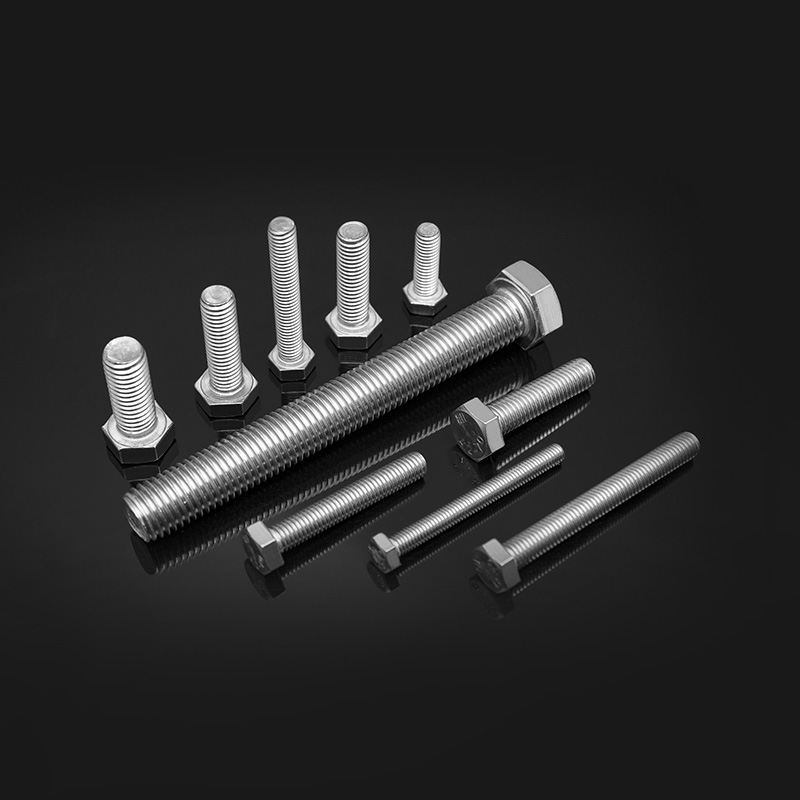
ThreadTolerance: 6gstandardDIN 13-15、DIN 13-12Rod diameter dd≤M20:A2-70、A4-70;M20<d≤M39:A2-50、A4-50;d≥M39:C3、C4;d<M39
See Details
Copyright © Jiangsu Huajie Stainless Steel Products Co., Ltd. All Rights Reserved.