eng
eng English
 русский
 Deutsch
 عربى
عربى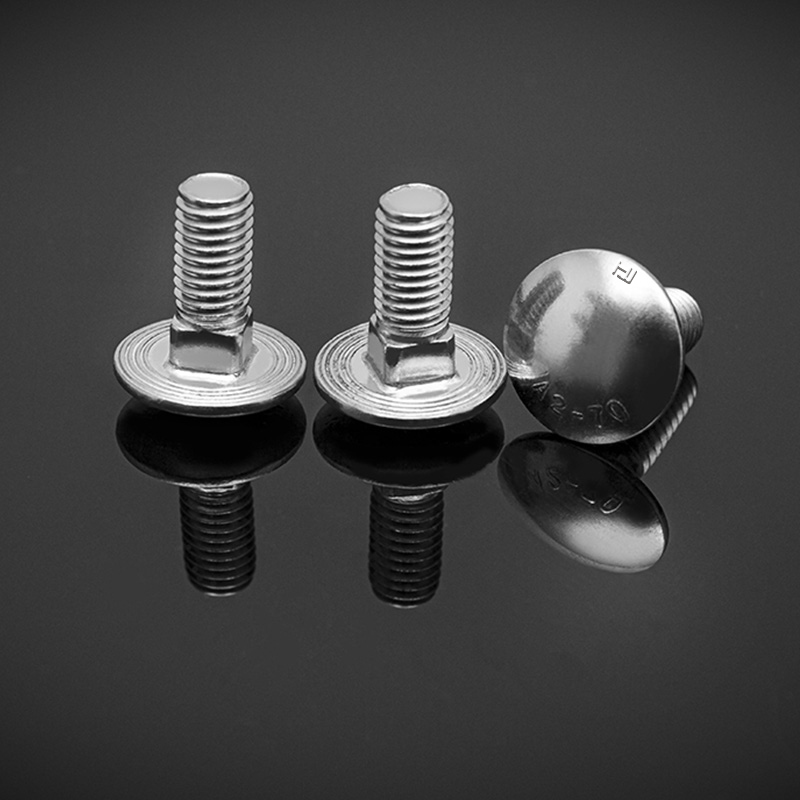
+86 189 6101 2359
+86 133 6521 5663
+86 138 5268 6835
Content
Stainless steel fasteners are not a commodity in the way that carbon steel fasteners are. The alloy grades, heat treatment practices, surface condition requirements, dimensional tolerances, and corrosion resistance verification that define a stainless steel fastener's fitness for purpose are all variables that differ meaningfully between manufacturers -- and those differences translate directly into performance outcomes at the point of use. A fastener that fails through corrosion, dimensional nonconformance, or metallurgical deficiency in a structural, marine, food processing, or chemical plant application does not fail cheaply.
A professional stainless steel fastener manufacturer is defined not by the breadth of its catalog but by the depth of its process control, material traceability, testing capability, and engineering support across its product range. A competitive stainless steel fastener manufacturer delivers that quality consistently at a price point and lead time that makes it viable for buyers sourcing at volume -- where the margin between acceptable and unacceptable total cost of procurement is determined as much by reject rate, rework, and delivery reliability as by unit price.
Understanding what the manufacturing process for stainless steel fasteners actually involves -- and what distinguishes capable producers from those who simply catalog products they source from the open market -- provides the foundation for making well-informed sourcing decisions in this category.

The stainless steel grades used in fastener manufacturing are defined by their chemical composition, which determines their corrosion resistance characteristics, mechanical properties, and machinability or cold-forming behavior. A professional manufacturer maintains clear traceability from the mill certificate of the incoming wire or bar stock through to the finished fastener, verifying that the alloy composition meets the specified grade requirements and that the mechanical properties achieved after forming and any heat treatment are within specification.
Austenitic grades -- the 300 series -- are the most widely used stainless steels in fastener manufacturing. They combine good corrosion resistance with the ductility needed for cold heading and thread rolling, and they do not require heat treatment to achieve adequate mechanical properties for most applications. The key grades are:
Duplex stainless steels (S31803, S32205) and super duplex grades (S32750, S32760) provide significantly higher tensile strength than austenitic grades -- yield strengths of 450 to 600 MPa versus 200 to 240 MPa for annealed austenitic -- combined with superior resistance to stress corrosion cracking and pitting in aggressive chloride environments. Duplex stainless steel fasteners are specified in offshore oil and gas, desalination, subsea, and highly aggressive chemical applications where the combination of high strength and superior corrosion resistance justifies the higher material and manufacturing cost relative to standard austenitic grades. Cold forming of duplex grades is more demanding than austenitic grades due to their higher work-hardening rate and lower ductility, requiring careful tooling design and forming parameter control in a professional manufacturing environment.
Martensitic stainless steels (410, 420, 431) achieve high hardness and strength through heat treatment -- quench and temper -- but offer lower corrosion resistance than austenitic grades. Used for self-tapping screws, machine screws in less corrosive environments, and applications where hardness is the primary requirement. Precipitation hardening grades (17-4PH, 15-5PH) combine high strength achievable through an aging heat treatment with better corrosion resistance than martensitic grades, and are used in aerospace, medical, and high-performance mechanical fastener applications.
The manufacturing process for stainless steel fasteners follows a defined sequence of operations that a professional manufacturer executes under controlled conditions with documented process parameters and inspection checkpoints at each critical stage.
The starting material for cold-formed stainless steel fasteners is wire drawn from rod stock to the diameter required for the fastener's nominal size. The drawing process work-hardens the wire, reducing ductility, and the wire must typically be annealed (heat treated in a controlled atmosphere furnace) to restore the ductility needed for the subsequent cold-heading operation without cracking. The annealing atmosphere must be carefully controlled to prevent oxidation of the stainless steel surface, which would compromise the passive layer that provides corrosion resistance. A professional manufacturer either operates its own wire drawing and annealing facility or works with qualified wire suppliers whose process parameters are verified by incoming material testing.
Cold heading is the high-speed forging process that forms the head of the fastener by compressing a cut wire blank between dies at room temperature. The process develops the head shape -- whether a standard hex head, a round dome head, a flat countersunk head, or a specialty head form such as the mushroom head -- in one to several die strokes depending on the head geometry complexity. Stainless steel work-hardens more rapidly than carbon steel under cold deformation, which means that complex or deep head forms require more forming stages, more carefully controlled forming speeds, and higher-quality lubrication systems to prevent cracking, laps, or die pickup that would produce surface defects in the finished fastener. A professional manufacturer invests in appropriate tooling grades (high-speed steel or carbide dies), lubricant systems designed for stainless steel, and process monitoring to maintain head formation quality at production speed.
Threads on stainless steel fasteners are almost universally formed by thread rolling -- a cold-forming process in which hardened die plates with the thread profile press the thread into the shank surface, displacing material rather than cutting it. Rolled threads are superior to cut threads in fatigue strength (because the compressive residual stresses at the thread root resist crack initiation), surface finish (smoother and more consistent), and dimensional accuracy. Thread rolling on stainless steel requires precise control of the die gap, rolling speed, and lubrication to achieve thread form accuracy within the tolerance class specified (typically 6g for external threads in standard metric fasteners) without excessive die wear or thread surface smearing.
Austenitic stainless steel fasteners may require solution annealing after cold forming to restore corrosion resistance that has been locally compromised by the work hardening and deformation of the forming process. In cold-headed austenitic stainless steel, heavily deformed zones can become slightly magnetic and may show slightly different electrochemical behavior from the base material. Solution annealing at 1,050 to 1,150 degrees Celsius dissolves any carbide precipitates, homogenizes the microstructure, and restores the passive film-forming capability uniformly across the fastener. Not all austenitic fasteners require post-forming annealing, but those destined for the most demanding corrosion service environments benefit from it.
The corrosion resistance of stainless steel depends on the integrity of the chromium oxide passive film on the surface. Manufacturing operations -- including cold forming, thread rolling, and handling -- can contaminate the stainless steel surface with free iron from tooling contact or processing equipment, which would cause rust spots in service. Passivation treatment -- immersion in a nitric acid or citric acid solution that dissolves surface iron contamination and promotes the formation of a dense, uniform passive film -- is a quality step applied by professional manufacturers to fasteners in stainless steel grades for demanding corrosion service. ASTM A967 and AMS 2700 define the passivation requirements for stainless steel fasteners in aerospace and critical industrial applications.
The quality of a stainless steel fastener cannot be verified solely by visual inspection. Dimensional conformance, material composition, mechanical properties, and corrosion resistance must each be verified by appropriate testing methods, and the testing results must be traceable to the specific production lot from which the fasteners were manufactured. This traceability chain from raw material to finished product is the backbone of a professional stainless steel fastener manufacturer's quality system.
Incoming wire and bar stock must be verified against the mill certificate for chemical composition. X-ray fluorescence (XRF) analyzers allow rapid on-site compositional verification that can confirm the alloy grade before production begins, providing a check against material mix-up that is a known supply chain risk in the stainless steel fastener industry. PMI (positive material identification) testing using portable XRF is now standard practice in professional fastener manufacturing facilities handling multiple alloy grades simultaneously. Full wet chemistry analysis is used for definitive compositional verification in critical applications or dispute resolution.
ISO 3506 defines the mechanical property requirements for stainless steel fasteners: proof load, tensile strength, and hardness for bolts and screws; proof load for nuts; and Vickers hardness for set screws. Testing is performed on samples from each production lot using calibrated universal testing machines (for proof load and tensile strength) and calibrated hardness testing equipment. Lot acceptance is based on the test results meeting the minimum requirements of the specified property class (A2-70, A2-80, A4-70, A4-80) for every sample tested in the lot.
Dimensional conformance to the relevant product standard (ISO 4016, ISO 4017, ISO 7380, DIN 603, ASME B18.2.1, and many others depending on product type) is verified using calibrated gauging -- go/no-go thread gauges for thread tolerance class, micrometers and callipers for head dimensions, optical comparators or video measuring systems for complex head geometry profiles, and surface finish profilometers for critical contact surfaces. Statistical process control (SPC) applied to key dimensional characteristics during production allows trends that would lead to nonconformance to be detected and corrected before they produce out-of-specification product.
Salt spray testing (neutral salt spray, NSS, per ISO 9227 or ASTM B117) verifies the corrosion resistance of the finished fastener surface under accelerated test conditions. For austenitic stainless steel fasteners, resistance to red rust for 48 to 96 hours minimum in neutral salt spray is a common specification. More demanding applications specify higher salt spray resistance or additional tests such as the copper sulfate test for free iron contamination verification, the ferric chloride test for pitting resistance screening of higher alloy grades, and the boiling nitric acid test for intergranular corrosion resistance of austenitic grades.
The stainless steel mushroom head square neck bolt is a specific fastener variant that combines three design features -- the mushroom head profile, the square neck below the head, and stainless steel construction -- each of which serves a distinct functional purpose in the applications where this bolt type is specified.
The mushroom head -- a rounded, dome-shaped head with a large diameter relative to the shank -- provides an exceptionally large bearing area on the underside of the head. This large bearing face distributes the clamping force from the bolt over a wide area of the material being fastened, reducing the surface pressure at the head bearing zone and preventing the head from pulling through or embedding into the clamped material under load. The mushroom head is the preferred design wherever the clamped material is relatively soft -- wood, composite board, plastic sheeting, rubber, foam, or thin sheet metal -- and where a standard hex head or button head of smaller diameter would either embed into the surface under load or create unacceptably high contact stress that would damage the material.
The dome profile of the mushroom head also means that no sharp edges or corners protrude from the surface of the fastened assembly on the head side. This is a safety and aesthetic consideration in playground equipment, public furniture, marine fittings, agricultural equipment, and consumer products where a projecting hex head would create a snag hazard or an unsatisfactory visual finish. The smooth dome presents a clean, rounded surface that is both safe and visually integrated with the product surface.
Immediately beneath the bearing face of the mushroom head, the bolt shank has a square cross-section over a short length -- typically equal to or slightly greater than the thickness of the material being fastened. This square neck is the defining anti-rotation feature of the mushroom head square neck bolt. When the bolt is inserted through a square hole (punched or drilled to match the square neck dimensions) in the clamped material, or when the square neck is drawn into a round hole in a soft material such as wood, the corners of the square neck engage with the material and prevent the bolt from rotating as the nut is tightened from the opposite side.
This single-sided installation capability -- where the nut can be tightened without the need to hold the bolt head simultaneously -- is the primary practical advantage of the square neck design. In construction, agricultural, and outdoor furniture applications where access to both sides of the joint simultaneously is inconvenient or impossible, the square neck bolt allows one person to secure the joint completely from the nut side alone. The anti-rotation function is material-dependent: in wood, the square corners bite into the surrounding wood fiber as the bolt is drawn in; in metal, a square punched hole is required for the anti-rotation function to operate.
The mushroom head square neck bolt is in the same functional family as the carriage bolt (which has the same square neck anti-rotation feature but with a smaller, flatter head profile), but with the enlarged mushroom head providing significantly greater bearing area for applications where pull-through resistance in soft materials is required in addition to anti-rotation.
The specification of stainless steel for mushroom head square neck bolts reflects the outdoor and corrosive environment applications in which this bolt type is most commonly used. Marine decking and dock fittings, playground equipment in coastal areas, outdoor furniture and park benches, agricultural timber connections, and boat building are all applications that combine the soft material pull-through resistance of the mushroom head, the single-sided installation of the square neck, and the corrosion resistance of stainless steel in a single fastener specification.
AISI 304 stainless steel (A2) is the most commonly specified grade for mushroom head square neck bolts in standard outdoor and mild marine applications. AISI 316 (A4) is specified for full marine, seawater splash zone, and coastal environments where chloride concentration would cause pitting and crevice corrosion on 304 grade over time. The choice between A2 and A4 should be made based on the expected chloride exposure level and the design service life of the assembled structure, not solely on the initial cost difference between the two grades.
Manufacturing the mushroom head square neck in stainless steel requires that the cold-forming process successfully forms both the large-diameter domed head and the square neck from the same wire blank in sequence, without cracking in either feature. The large head-to-shank diameter ratio of the mushroom head means that the volume of material displaced to form the head is high relative to the shank volume -- a demanding forming ratio that requires careful tooling geometry and multi-stroke heading in stainless steel, where the work-hardening rate is higher than in carbon steel equivalents. A professional manufacturer dimensions the heading tooling, pre-form geometry, and forming stages specifically for the stainless steel grade being processed, rather than adapting carbon steel tooling that would not provide adequate material flow control for a ductile but work-hardening austenitic stainless steel.
The mushroom head square neck bolt is produced to a range of dimensional standards and customer specifications, as the combination of mushroom head and square neck is less universally standardized than hex head or standard carriage bolt configurations. Key dimensional parameters to specify include:
The terms professional and competitive describe two different but related dimensions of a stainless steel fastener manufacturer's capability. A professional manufacturer has the technical depth, process control, and quality system to consistently produce fasteners that meet specification. A competitive manufacturer does so at a price, lead time, and service level that provides value in the market relative to alternatives. The best suppliers are both.
For buyers sourcing stainless steel fasteners -- whether standard products from catalog stock or specialty items such as the stainless steel mushroom head square neck bolt -- the following framework provides a practical basis for supplier evaluation and specification verification.
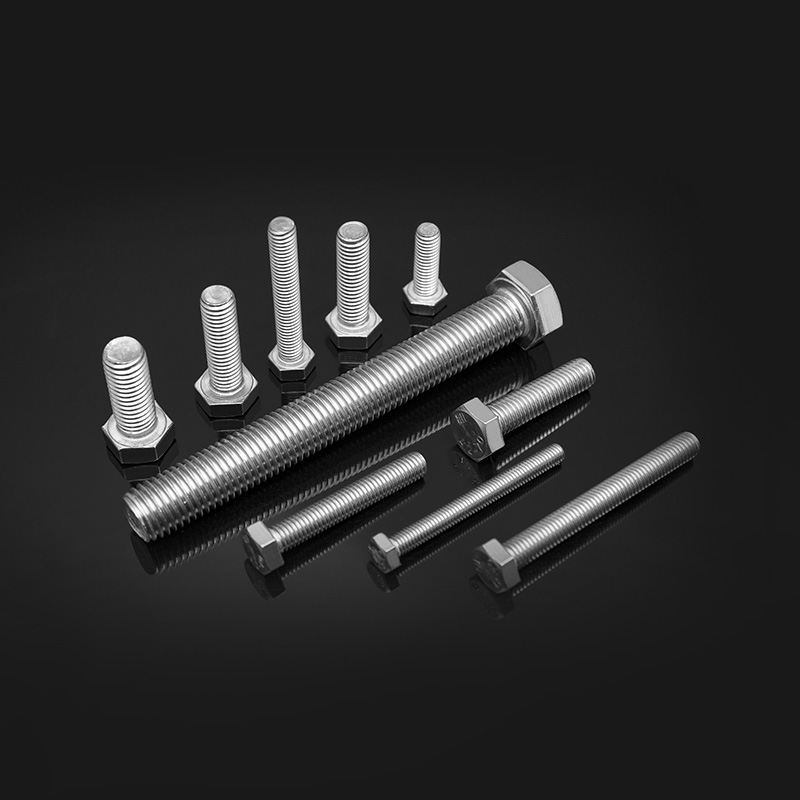
ThreadTolerance: 6gstandardDIN 13-15、DIN 13-12Rod diameter dd≤M20:A2-70、A4-70;M20<d≤M39:A2-50、A4-50;d≥M39:C3、C4;d<M39
See Details
Copyright © Jiangsu Huajie Stainless Steel Products Co., Ltd. All Rights Reserved.