eng
eng English
 русский
 Deutsch
 عربى
عربى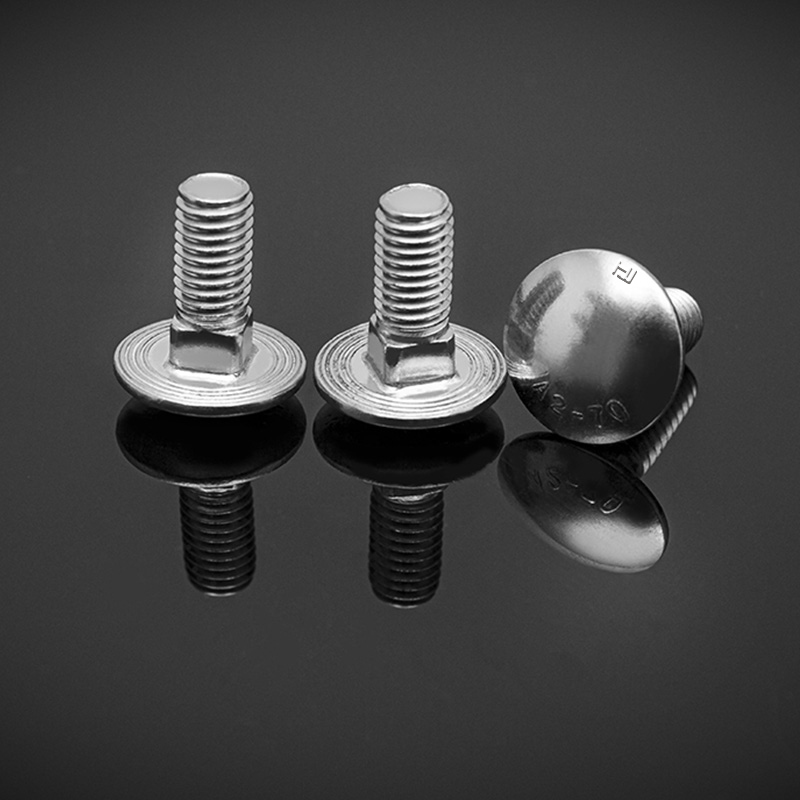
+86 189 6101 2359
+86 133 6521 5663
+86 138 5268 6835
Content
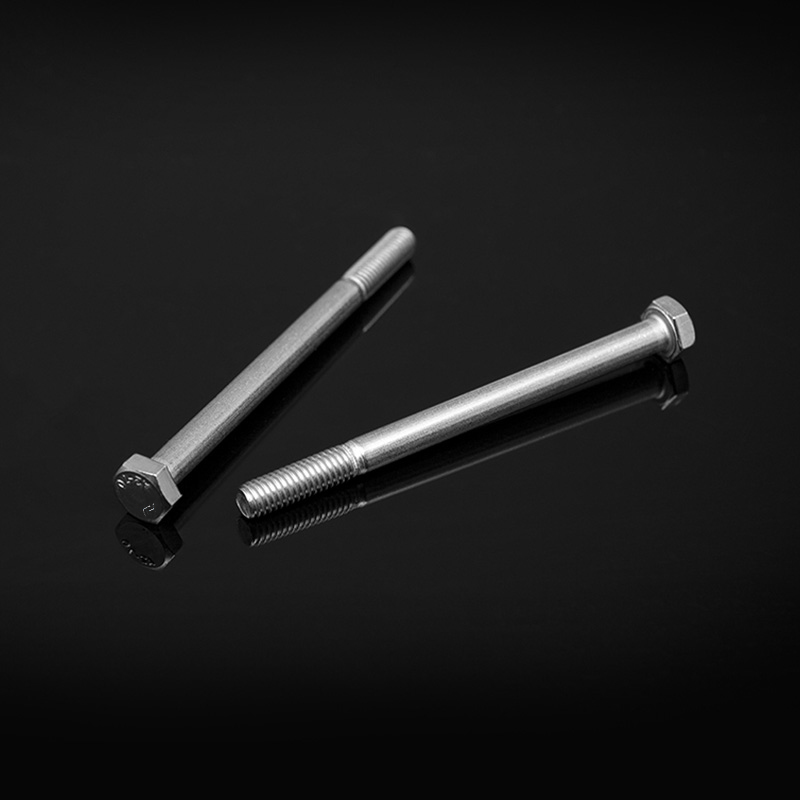
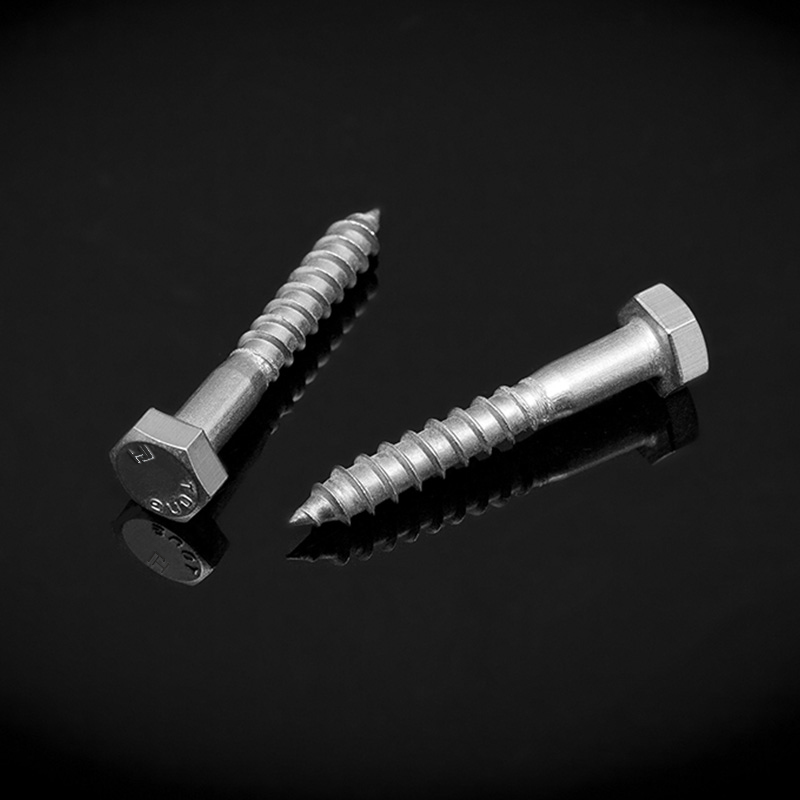
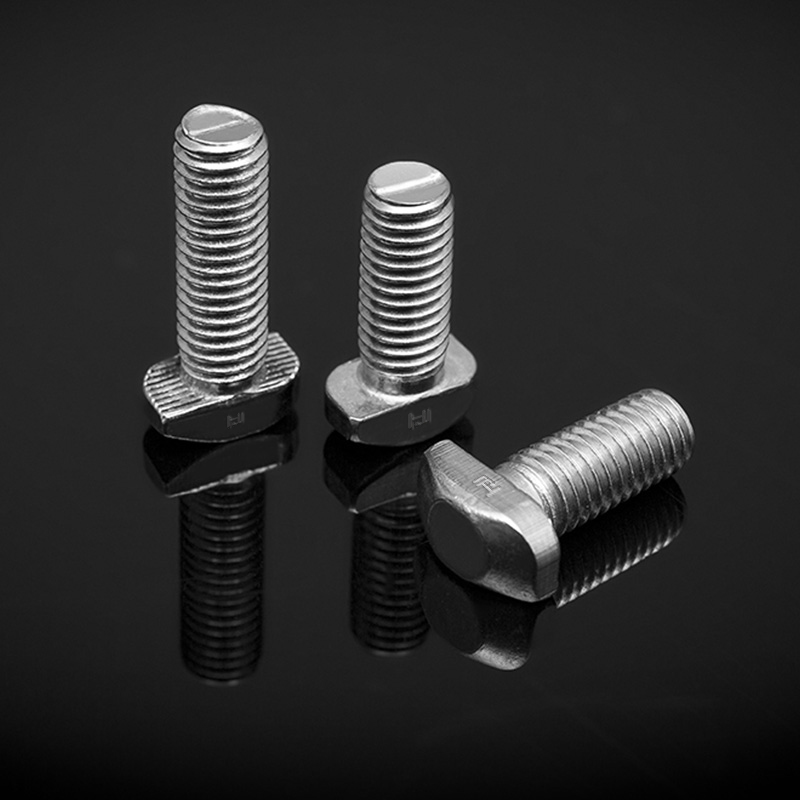
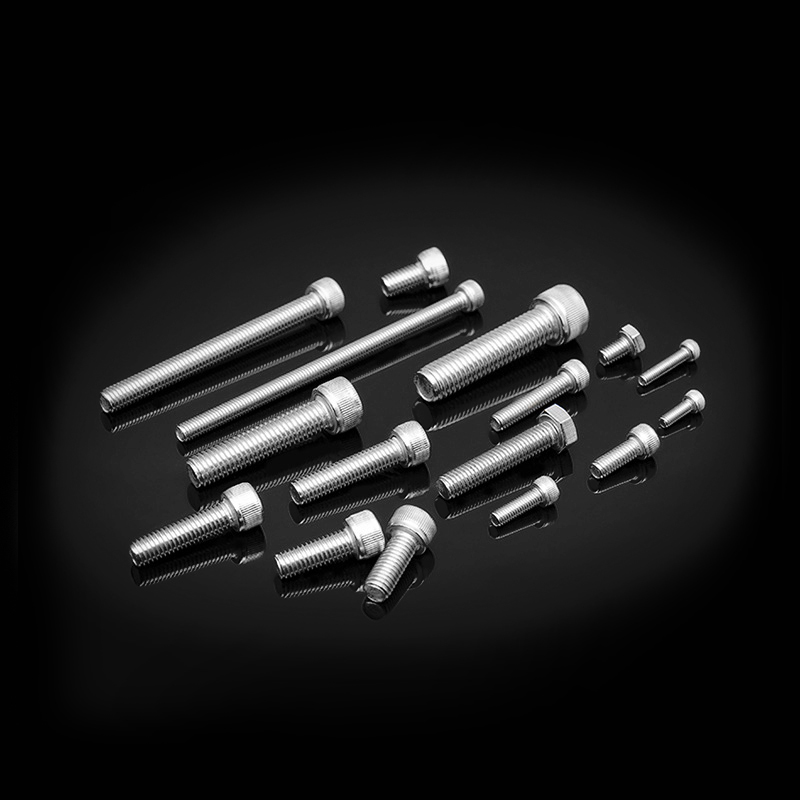
Stainless steel hexagon head bolts are among the most commonly used fasteners in both industrial and structural engineering applications. Characterized by their six-sided head and cylindrical threaded body, these bolts provide a secure and reliable means of joining mechanical parts, machinery components, and structural elements. The hexagonal shape allows for easy application of torque using standard tools such as spanners and socket wrenches, ensuring consistent tightening and stability during assembly.
In 2026, the demand for stainless steel hexagon head bolts continues to grow due to global infrastructure development, renewable energy expansion, and a heightened focus on durability and corrosion resistance in industrial design. Manufacturers are also adopting advanced machining and surface finishing processes, improving the precision and performance of these essential fastening components.
The strength and corrosion resistance of stainless steel hexagon head bolts depend primarily on the material grade. The most common grades are A2 (equivalent to 304 stainless steel) and A4 (equivalent to 316 stainless steel). Additional grades such as duplex stainless steels are gaining popularity in 2026 for high-performance environments. Each grade offers distinct benefits in terms of corrosion resistance, tensile strength, and cost efficiency.
| Grade | Material Composition | Corrosion Resistance | Tensile Strength (MPa) | Typical Applications |
| A2-70 | 18% Cr, 8% Ni | Good for indoor and mild outdoor use | 700 | Machinery, automotive parts, furniture fittings |
| A4-80 | 16% Cr, 10% Ni, 2% Mo | Excellent, suitable for marine and chemical environments | 800 | Marine engineering, offshore structures, chemical processing |
| Duplex 2205 | 22% Cr, 5% Ni, 3% Mo | Superior resistance to stress corrosion cracking | 900+ | Oil and gas, desalination, and structural pipelines |
The combination of chromium and nickel provides stainless steel with its anti-corrosive characteristics, while molybdenum enhances resistance to pitting in chloride-rich environments. For specialized engineering sectors, duplex stainless steel offers a balance between the high strength of ferritic grades and the corrosion resistance of austenitic steels.
Stainless steel hexagon head bolts are produced according to global standards to guarantee interchangeability and reliability. The most widely referenced standards include ISO 4014 (partially threaded), ISO 4017 (fully threaded), and DIN 933/931 equivalents. These standards define dimensional tolerances, thread pitches, head dimensions, and mechanical properties.
In 2026, automation and precision CNC machining have improved manufacturing consistency. Modern cold forging techniques produce bolts with uniform grain structure and better fatigue performance, while surface treatments such as passivation and electropolishing further enhance corrosion resistance.
The continued popularity of stainless steel hexagon head bolts in engineering and construction is driven by their combination of performance, appearance, and longevity. Below are key benefits that make them a preferred choice in multiple industries.

The versatility of stainless steel hexagon head bolts makes them essential across a wide range of fields. They provide reliable fastening solutions wherever durability, corrosion resistance, and strength are key considerations.
Choosing the correct stainless steel hexagon head bolt involves evaluating both mechanical requirements and environmental factors. Selecting the right grade, thread, and finish helps ensure long-term reliability and performance in the intended application.
Exposure to moisture, salinity, or chemicals determines the necessary grade of stainless steel. For general indoor use, A2-70 is sufficient, while A4-80 is recommended for outdoor, marine, or chemical plant applications.
Bolts must be selected according to the mechanical stresses they will encounter. Higher tensile strength grades, such as A4-80 or Duplex, are preferable in high-load or vibration environments.
Metric and Unified thread standards are not interchangeable. Ensure compatibility with nuts and tapped holes to prevent cross-threading and ensure secure fastening.
Although stainless steel resists rust naturally, treatments like passivation, pickling, and electropolishing can enhance corrosion protection and surface smoothness, especially in marine and cleanroom environments.
While stainless steel fasteners have a higher initial cost, their extended service life and minimal maintenance often result in lower total lifecycle costs, particularly in corrosive or high-stress conditions.
Proper installation is essential to achieving the full mechanical potential of stainless steel hexagon head bolts. Over-tightening or galling (cold welding between threads) can be avoided through best practices and use of anti-seize compounds.
When stored, bolts should remain in a clean, dry environment, isolated from other metallic materials. Contamination from iron particles can compromise surface integrity and lead to rust spots despite stainless steel’s natural resistance.
In 2026, sustainability and precision manufacturing are major influences in the stainless steel fastener industry. Producers are focusing on recycled stainless alloys to reduce environmental impact while maintaining high mechanical performance. Laser marking for traceability, 3D inspection systems, and automated sorting lines are also becoming standard practices to guarantee product quality and consistency.
Moreover, new coating technologies such as nano-ceramic layers and hybrid anti-galling films are being introduced to extend service life under extreme operating conditions. These innovations enhance the role of stainless steel hexagon head bolts in industries like aerospace, offshore wind energy, and high-tech manufacturing.
Stainless steel hexagon head bolts represent a balance of strength, reliability, and corrosion resistance. Their performance across various industrial and structural settings has made them indispensable in modern engineering. As industries move toward sustainability and long-term resilience in 2026, the use of stainless steel fasteners is expected to increase further.
By selecting the right grade, size, and finish, users can achieve durable and cost-effective fastening solutions that meet the demands of both everyday construction and specialized high-performance applications.
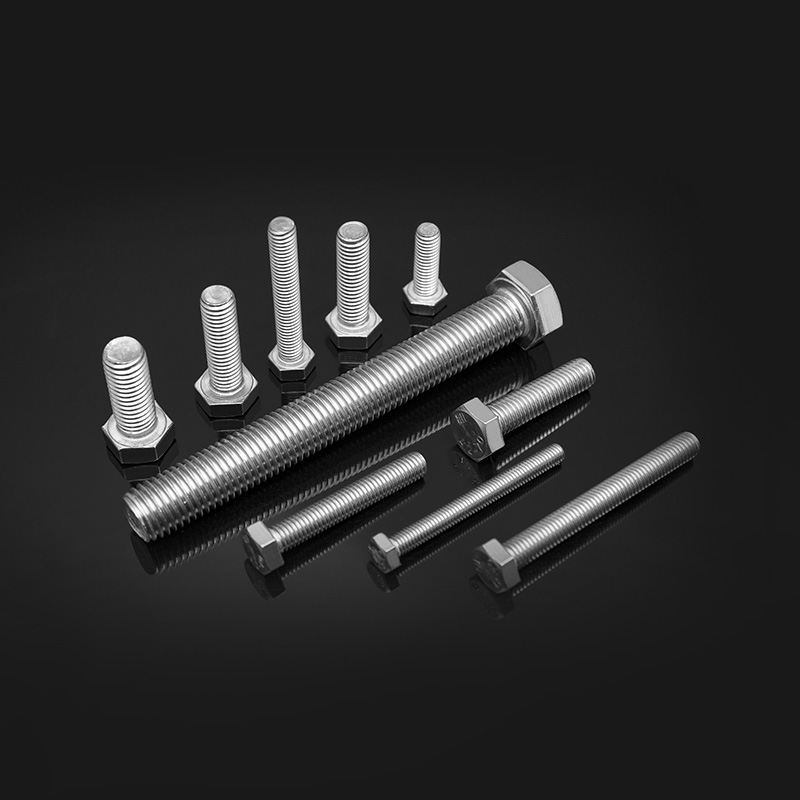
ThreadTolerance: 6gstandardDIN 13-15、DIN 13-12Rod diameter dd≤M20:A2-70、A4-70;M20<d≤M39:A2-50、A4-50;d≥M39:C3、C4;d<M39
See Details
Copyright © Jiangsu Huajie Stainless Steel Products Co., Ltd. All Rights Reserved.