eng
eng English
 русский
 Deutsch
 عربى
عربى
+86 189 6101 2359
+86 133 6521 5663
+86 138 5268 6835
Content
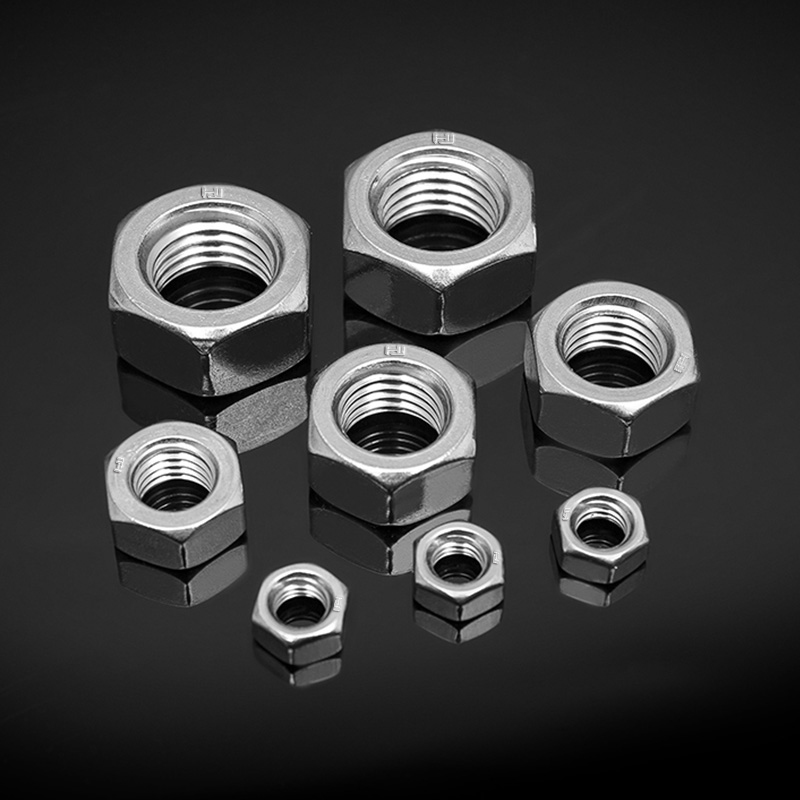
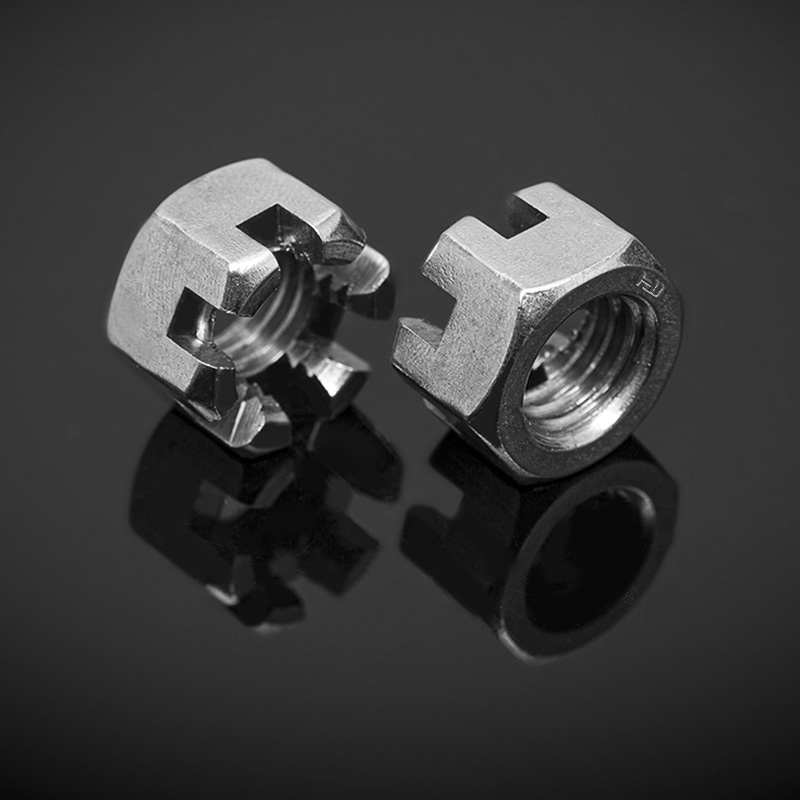
304 and 316 stainless steel nuts are widely used fasteners in industrial, construction, and marine applications. Both provide excellent corrosion resistance, strength, and durability, but they differ in chemical composition and performance under specific environmental conditions. Choosing the right type ensures the longevity and reliability of mechanical assemblies.
The primary difference between 304 and 316 stainless steel lies in the presence of molybdenum. 304 stainless steel is composed mainly of chromium and nickel, offering good corrosion resistance for most environments. 316 stainless steel includes molybdenum, which enhances resistance to chloride and saltwater corrosion, making it suitable for marine and highly corrosive environments.
304 nuts are ideal for general-purpose applications, including indoor construction, machinery, automotive, and food processing equipment. They provide a balance of strength, corrosion resistance, and affordability, making them the standard choice for most non-extreme environments.
316 nuts are recommended for environments exposed to harsh chemicals, high salinity, or coastal conditions. The added molybdenum enhances resistance to pitting and crevice corrosion, ensuring longer service life in marine applications, chemical processing plants, and outdoor structures near the sea.
Both 304 and 316 stainless steel nuts exhibit strong mechanical properties and can handle high loads and stress. However, they perform differently under elevated temperatures. 304 nuts maintain stability and strength up to approximately 870°C, whereas 316 nuts are slightly more resistant to high-temperature oxidation and maintain mechanical integrity in demanding environments.
304 stainless steel nuts are generally more cost-effective due to their simpler composition. 316 nuts, with added molybdenum, are more expensive but provide enhanced corrosion resistance for specialized applications. Selecting the appropriate material depends on balancing cost with the environmental demands and required lifespan of the fastener.
Choosing between 304 and 316 nuts depends on where they will be used. 304 nuts are suitable for indoor use, machinery, furniture, and general structural assemblies. 316 nuts are preferred for marine equipment, chemical plants, coastal buildings, and any application involving prolonged exposure to salts or harsh chemicals.
| Feature | 304 Stainless Steel Nut | 316 Stainless Steel Nut |
| Corrosion Resistance | Good, suitable for indoor and moderate environments | Excellent, resistant to chlorides and marine conditions |
| Temperature Resistance | Up to ~870°C | Slightly higher high-temperature performance |
| Cost | More affordable | Higher cost due to molybdenum content |
| Best Applications | Indoor structures, machinery, furniture | Marine equipment, chemical plants, coastal environments |
Both 304 and 316 stainless steel nuts offer reliability, strength, and corrosion resistance, but the choice depends on environmental conditions and cost considerations. For general applications, 304 nuts provide an economical and durable solution. For harsh or marine environments, 316 nuts deliver superior performance and extended service life. Understanding these differences ensures the right fastener is selected for every application.
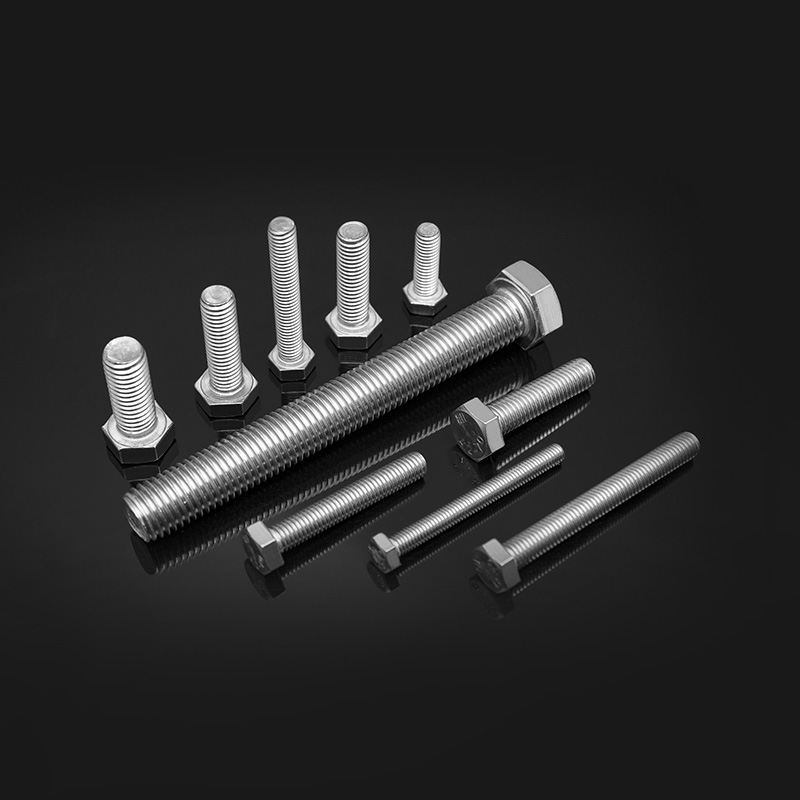
ThreadTolerance: 6gstandardDIN 13-15、DIN 13-12Rod diameter dd≤M20:A2-70、A4-70;M20<d≤M39:A2-50、A4-50;d≥M39:C3、C4;d<M39
See Details
Copyright © Jiangsu Huajie Stainless Steel Products Co., Ltd. All Rights Reserved.